











The Essential Guide to Centrifugal Fans: Understanding Their Role in Industrial Separation Equipment
Apr 23,2026
Centrifugal fans, also known as blowers, play a pivotal role in enhancing the efficiency and effectiveness of industrial processes. These fans operate on a simple yet effective principle: they utilize rotating blades to create a flow of air or gas. As the blades spin, they impart kinetic energy to the incoming air, causing it to accelerate outward from the center of the fan. This design allows for

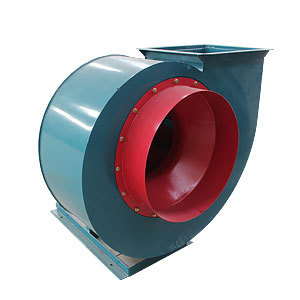
Centrifugal fans, also known as blowers, play a pivotal role in enhancing the efficiency and effectiveness of industrial processes. These fans operate on a simple yet effective principle: they utilize rotating blades to create a flow of air or gas. As the blades spin, they impart kinetic energy to the incoming air, causing it to accelerate outward from the center of the fan. This design allows for a significant increase in air pressure, making centrifugal fans ideal for applications requiring high airflow against system resistance.
In the context of separation equipment, such as centrifuges, centrifugal fans contribute significantly to the overall performance. They are often employed to manage airflow, ensuring that materials are properly separated during the centrifugation process. By maintaining optimal air circulation, these fans help regulate temperature and humidity levels, which are crucial factors in achieving desired separation outcomes. Moreover, they aid in the removal of contaminants, thereby improving the quality of the separated materials.
One of the primary advantages of centrifugal fans is their versatility. They can be designed to accommodate various sizes and configurations, allowing them to be integrated seamlessly into existing systems. Their ability to move large volumes of air at relatively low speeds makes them efficient for many industrial applications, including chemical processing, food production, and waste management. Additionally, centrifugal fans typically operate with lower noise levels compared to other fan types, making them suitable for environments where noise reduction is a priority.
Another notable feature of centrifugal fans is their durability. Constructed from robust materials, they can withstand harsh operating conditions and are often designed to resist corrosion and wear. This longevity reduces maintenance costs and downtime, further enhancing their appeal for industrial applications.
When selecting a centrifugal fan for specific applications, several factors must be considered. These include the required airflow rate, static pressure, and the nature of the materials being handled. Professionals should also assess the fan's efficiency and energy consumption, as these metrics can significantly impact operational costs.
In conclusion, understanding the role of centrifugal fans in industrial separation equipment is essential for optimizing processes and ensuring efficiency. Their ability to provide consistent airflow, durability, and adaptability makes them indispensable in numerous applications. By leveraging the advantages of centrifugal fans, industries can enhance their separation processes, leading to improved productivity and quality of output.
In the context of separation equipment, such as centrifuges, centrifugal fans contribute significantly to the overall performance. They are often employed to manage airflow, ensuring that materials are properly separated during the centrifugation process. By maintaining optimal air circulation, these fans help regulate temperature and humidity levels, which are crucial factors in achieving desired separation outcomes. Moreover, they aid in the removal of contaminants, thereby improving the quality of the separated materials.
One of the primary advantages of centrifugal fans is their versatility. They can be designed to accommodate various sizes and configurations, allowing them to be integrated seamlessly into existing systems. Their ability to move large volumes of air at relatively low speeds makes them efficient for many industrial applications, including chemical processing, food production, and waste management. Additionally, centrifugal fans typically operate with lower noise levels compared to other fan types, making them suitable for environments where noise reduction is a priority.
Another notable feature of centrifugal fans is their durability. Constructed from robust materials, they can withstand harsh operating conditions and are often designed to resist corrosion and wear. This longevity reduces maintenance costs and downtime, further enhancing their appeal for industrial applications.
When selecting a centrifugal fan for specific applications, several factors must be considered. These include the required airflow rate, static pressure, and the nature of the materials being handled. Professionals should also assess the fan's efficiency and energy consumption, as these metrics can significantly impact operational costs.
In conclusion, understanding the role of centrifugal fans in industrial separation equipment is essential for optimizing processes and ensuring efficiency. Their ability to provide consistent airflow, durability, and adaptability makes them indispensable in numerous applications. By leveraging the advantages of centrifugal fans, industries can enhance their separation processes, leading to improved productivity and quality of output.
Hot Tags:
PREVIOUS:

Contact Us
Tel:
WeChat:
WhatsApp:
E-mail:
Address:
338 National Road South, Longfengdian Village, Botou City, Hebei Province, China
JiuznTomine is expertly delivering technically complicated projects in markets & provides custom solutions for their customized need.


CONTACT INFO
Tel: +86 18531710311
WeChat: +86-18531710311
338 National Road South, Longfengdian Village, Botou City, Hebei Province, China