












Enhancing Industrial Dust Control: The Essential Role of Dust Collecting Bags
Apr 21,2026
Enhancing Industrial Dust Control: The Essential Role of Dust Collecting Bags
Table of Contents
Introduction to Industrial Dust Control
The Importance of Effective Dust Collection
How Dust Collecting Bags Work
Types of Dust Collecting Bags
Benefits of Using Dust Collecting Bags
Installation and Maintenance of Dust Collecting Bags
Common Issues and Solutions with Dust C

Enhancing Industrial Dust Control: The Essential Role of Dust Collecting Bags
Table of Contents
- Introduction to Industrial Dust Control
- The Importance of Effective Dust Collection
- How Dust Collecting Bags Work
- Types of Dust Collecting Bags
- Benefits of Using Dust Collecting Bags
- Installation and Maintenance of Dust Collecting Bags
- Common Issues and Solutions with Dust Collecting Bags
- The Future of Dust Collection Technology
- Conclusion
- Frequently Asked Questions
Introduction to Industrial Dust Control
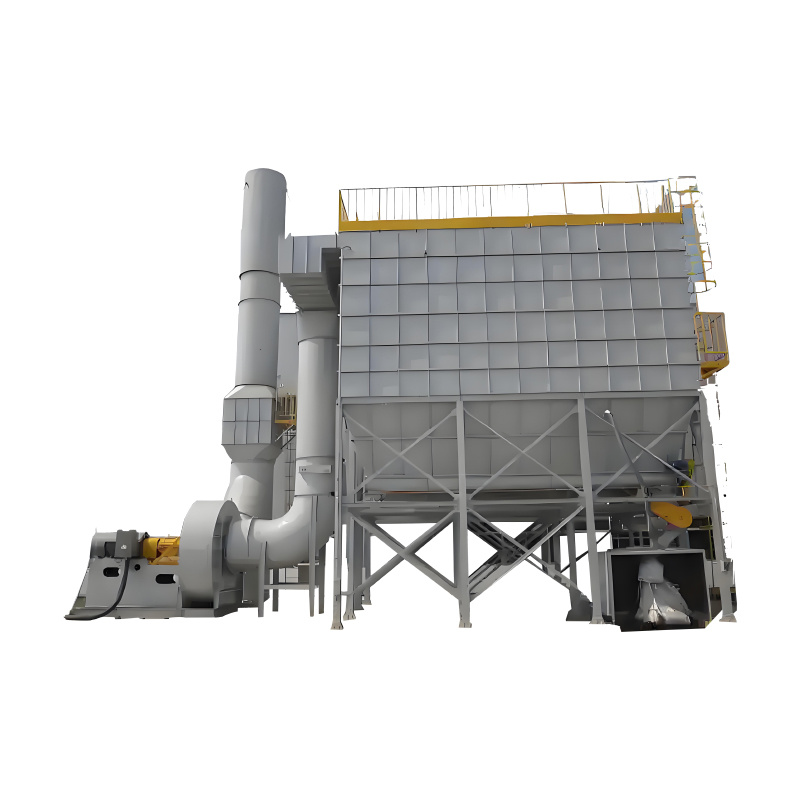
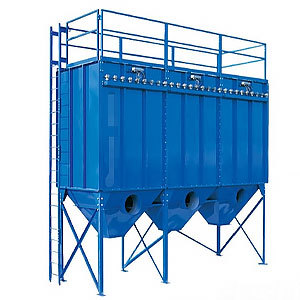
In industrial settings, dust control plays a crucial role in maintaining a safe and healthy work environment. Dust can lead to various health issues for workers and compromise the quality of products. Effective dust control measures are essential for ensuring compliance with safety regulations and enhancing productivity. Among the various solutions available, dust collecting bags have emerged as a leading choice for managing airborne particles in industrial facilities.
The Importance of Effective Dust Collection
Effective dust collection systems are vital for several reasons:
1. **Health Protection**: Prolonged exposure to dust can lead to respiratory issues, skin problems, and other health complications for employees. Implementing a dust collection system protects workers from these hazards.
2. **Compliance with Regulations**: Many industries are subject to stringent environmental and safety regulations concerning airborne pollutants. Dust collection systems help companies adhere to these regulations, avoiding fines and legal issues.
3. **Enhanced Product Quality**: Dust contamination can degrade the quality of products, impacting customer satisfaction and brand reputation. By minimizing dust in the production process, companies can ensure higher-quality output.
4. **Fire Safety**: Certain dust particles, particularly in industries like woodworking and metalworking, can be highly combustible. Effective dust collection systems reduce the risk of fire hazards, thereby enhancing workplace safety.
How Dust Collecting Bags Work
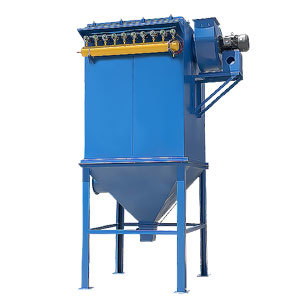
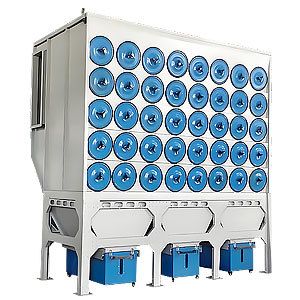
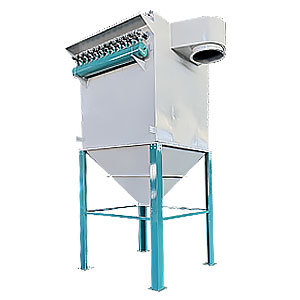
Dust collecting bags function as a key component of dust collection systems, utilizing various filtration mechanisms. These bags are typically made from specialized materials designed to capture and contain fine particles, ensuring they do not re-enter the air.
When dust-laden air is drawn into the system, it passes through these bags. The filtration process can occur through different methods, including:
- **Mechanical Filtration**: The physical structure of the bag material traps particles larger than the pores in the fabric.
- **Electrostatic Filtration**: Some bags are designed to generate electrostatic charges that attract and hold onto dust particles, enhancing their capturing efficiency.
- **Chemical Filtration**: In some cases, bags may include chemical treatments to neutralize harmful particles, providing an additional layer of protection.
The choice of bag material, size, and filtering technique is critical for optimizing performance, making it vital to select the appropriate bag for specific applications.
Types of Dust Collecting Bags
Selecting the right type of dust collecting bag is essential for effective dust management. The common types include:
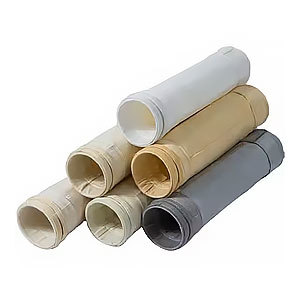
1. **Polyester Bags**: These are highly durable and resistant to moisture, making them suitable for various industrial environments. They provide excellent filtration efficiency and are often used in woodworking, metalworking, and textile industries.
2. **Nomex Bags**: Designed to withstand high temperatures, Nomex bags are ideal for applications involving heat-generating processes. Their flame-resistant properties make them a popular choice in industries like steel manufacturing and glass production.
3. **Fiberglass Bags**: Known for their high-temperature resistance and durability, fiberglass bags are often utilized in environments where extreme conditions prevail, such as foundries and incinerators.
4. **PTFE Bags**: Polytetrafluoroethylene (PTFE) bags offer superior chemical resistance and are ideal for capturing fine particles in highly corrosive environments. They are frequently used in pharmaceutical and chemical manufacturing.
5. **Woven Bags**: These bags provide excellent airflow and are suitable for lightweight particulate matter. Their structure allows for high dust loading capacity, making them effective in various applications.
Benefits of Using Dust Collecting Bags
Employing dust collecting bags brings numerous advantages to industrial operations:
- **Improved Air Quality**: By effectively capturing airborne dust, these bags enhance overall air quality, ensuring a safer work environment for employees.
- **Reduced Equipment Downtime**: When dust is efficiently collected, the wear and tear on machinery diminish, leading to lower maintenance costs and reduced downtime.
- **Cost-Effective Solution**: Investing in high-quality dust collecting bags can be more cost-effective than other dust control measures, as they reduce the need for frequent cleaning and maintenance.
- **Eco-Friendly Option**: Many dust collecting bags are designed to be reusable or recyclable, minimizing waste and contributing to sustainability efforts in industrial operations.
- **Customization**: Dust collecting bags can often be customized in terms of size, material, and filtering capabilities, allowing companies to tailor their solutions to specific needs.
Installation and Maintenance of Dust Collecting Bags
Proper installation and maintenance of dust collecting bags are crucial for maximizing their effectiveness.
**Installation Steps**:
1. **Assess the Dust Load**: Determine the type and volume of dust generated in your facility to select the appropriate bag.
2. **Choose the Right System**: Based on your assessment, select a compatible dust collection system that can accommodate your specific requirements.
3. **Follow Manufacturer Instructions**: Adhere to the manufacturer's guidelines for installation to ensure optimal performance.
**Maintenance Practices**:
- **Regular Inspections**: Conduct routine checks for wear and tear, ensuring the bags are functioning correctly and free from damage.
- **Cleaning**: Implement a regular cleaning schedule to remove dust buildup and maintain airflow efficiency.
- **Replacement**: Monitor the performance of dust collecting bags and replace them as needed to ensure continuous effective dust control.
Common Issues and Solutions with Dust Collecting Bags
Despite the effectiveness of dust collecting bags, some common issues can arise:
- **Clogged Bags**: Over time, bags can become clogged with dust, reducing efficiency. Regular maintenance and cleaning can prevent this issue.
- **Incorrect Sizing**: Using bags that are not appropriately sized for the system can lead to ineffective dust collection. Ensure proper measurements and compatibility when selecting bags.
- **Material Degradation**: Frequent exposure to harsh conditions can degrade bag materials. Selecting the right type of bag for specific applications is essential to minimize this risk.
- **Air Leaks**: Poor seals around bag fittings can allow dust to escape. Regularly inspect seals and connections to ensure airtight closures.
The Future of Dust Collection Technology
As technology evolves, so do dust collection systems. Emerging trends include:
- **Smart Dust Collection Systems**: Integration of IoT (Internet of Things) technology allows for real-time monitoring and data analysis, improving efficiency and predictive maintenance.
- **Advanced Materials**: Research into new materials offers the potential for even more effective and durable dust collecting bags.
- **Environmental Regulations**: As global standards for air quality tighten, dust collection technologies will continue to advance to meet these challenges.
Conclusion
Dust collecting bags are indispensable for effective industrial dust control. By improving air quality, protecting worker health, and ensuring compliance with regulations, they have become a vital component in various industries. Understanding the types, benefits, and proper maintenance of these bags helps businesses optimize their dust collection systems, leading to a safer and more productive work environment. Embracing advancements in dust collection technology will further enhance these efforts, ensuring industries can meet future challenges in air quality management.
Frequently Asked Questions
1. What materials are dust collecting bags made from?
Dust collecting bags are commonly made from polyester, Nomex, fiberglass, PTFE, and woven materials, each suitable for different industrial applications.
2. How often should dust collecting bags be replaced?
The frequency of replacement depends on the dust load and usage conditions, but regular inspections should be conducted to determine when a replacement is necessary.
3. Can dust collecting bags be cleaned and reused?
Many dust collecting bags can be cleaned and reused, but it's essential to follow the manufacturer's guidelines for cleaning to ensure they regain their effectiveness.
4. What are the signs of a clogged dust collecting bag?
Signs of a clogged bag include decreased airflow, increased system pressure, and visible dust escaping from the collection system.
5. How can I ensure my dust collection system is compliant with regulations?
To ensure compliance, regularly inspect your dust collection system, stay updated on regulations, and consult with industry experts whenever necessary.
Hot Tags:
PREVIOUS:


Contact Us
Tel:
WeChat:
WhatsApp:
E-mail:
Address:
338 National Road South, Longfengdian Village, Botou City, Hebei Province, China
JiuznTomine is expertly delivering technically complicated projects in markets & provides custom solutions for their customized need.


CONTACT INFO
Tel: +86 18531710311
WeChat: +86-18531710311
338 National Road South, Longfengdian Village, Botou City, Hebei Province, China