











Top Features to Look for in an Explosion-proof Control Cabinet
Apr 13,2026
Top Features to Look for in an Explosion-proof Control Cabinet
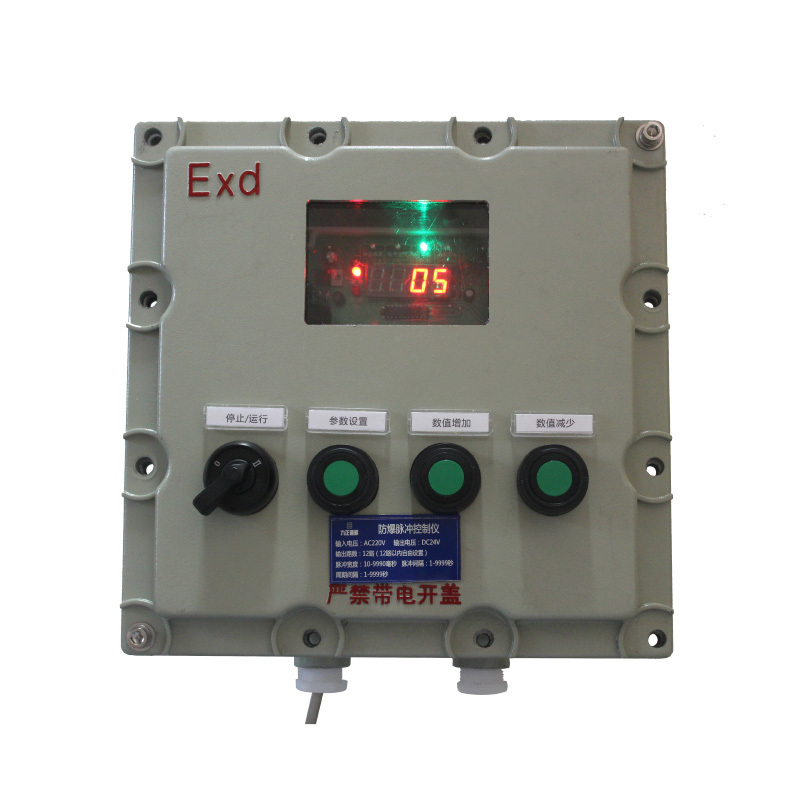
In industries where flammable materials, gases, and vapors are present, ensuring safety is paramount. An explosion-proof control cabinet plays a critical role in safeguarding electrical equipment and personnel from potential hazards. In this article, we will explore the top features to consider when selecting an explosion-proof control
Top Features to Look for in an Explosion-proof Control Cabinet
In industries where flammable materials, gases, and vapors are present, ensuring safety is paramount. An explosion-proof control cabinet plays a critical role in safeguarding electrical equipment and personnel from potential hazards. In this article, we will explore the top features to consider when selecting an explosion-proof control cabinet, ensuring that your facility meets safety standards while enhancing operational efficiency.
Understanding Explosion-proof Control Cabinets
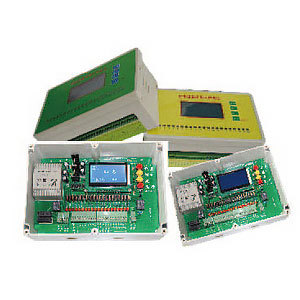
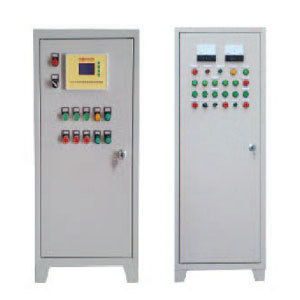
Explosion-proof control cabinets are specially designed to contain and prevent explosions caused by ignitable substances. These cabinets house electrical components, such as switches, relays, and circuit breakers, that could ignite flammable vapors or dust in hazardous locations. Understanding their construction, materials, and applicable standards is crucial for making an informed purchasing decision.
Key Standards and Regulations
Before diving into the features, it’s essential to understand the regulations governing explosion-proof equipment. The National Fire Protection Association (NFPA) and the Underwriters Laboratories (UL) set standards for explosion-proof equipment, categorizing areas based on the types of hazards present. Consider equipment certified under:
- **NFPA 70**: National Electrical Code (NEC)
- **ATEX Directive**: European Union regulations for equipment used in explosive atmospheres
- **IECEx Certification**: International standard for products used in explosive environments
Compliance with these standards ensures that the control cabinet is designed to withstand environmental challenges while maintaining safety.
Essential Features of Explosion-proof Control Cabinets
Now that we understand the importance of compliance and safety, let’s explore the essential features that make an explosion-proof control cabinet effective.
1. Robust Construction Materials
The materials used in constructing an explosion-proof control cabinet significantly influence its performance and durability. Look for cabinets made from:
- **Stainless Steel**: Offers excellent corrosion resistance and is suitable for harsh environments.
- **Aluminum**: Lightweight and easy to install, aluminum cabinets are also corrosion-resistant.
- **Fiberglass**: Ideal for non-conductive and chemical-resistant applications.
The cabinet’s material should withstand extreme temperatures, humidity, and potential chemical exposure while ensuring protection against physical impacts.
2. Ingress Protection Rating (IP Rating)
The **Ingress Protection (IP) Rating** system classifies the degree of protection against solid objects and liquids. For explosion-proof control cabinets, an IP rating of at least **IP65** is recommended. This rating ensures that the cabinet is dust-tight and can withstand water jets, making it suitable for both indoor and outdoor installations.
3. Explosion-proof Certification
Ensure that the explosion-proof control cabinet has the necessary certifications that guarantee its safety in hazardous environments. Look for labels such as **Class I, Division 1** (for flammable gases) and **Class II, Division 1** (for combustible dust). These certifications attest to the cabinet's ability to contain explosions and prevent ignition.
4. Temperature Control Features
Temperature control is vital in explosion-proof environments, especially where heat-sensitive materials are stored. Features to consider include:
- **Thermal Management Systems**: Integrated cooling systems can help maintain operational temperatures.
- **Heating Elements**: In colder climates, heating elements ensure that temperatures remain within safe operating limits.
Proper temperature management protects both equipment and personnel.
5. Ventilation and Airflow Management
Adequate ventilation is critical in explosion-proof environments to prevent the accumulation of flammable vapors. Features to look for include:
- **Filtered Vents**: These allow airflow while preventing dust and flammable particles from entering the cabinet.
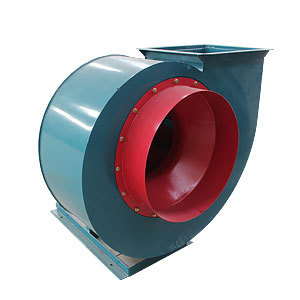
- **Fans and Blowers**: Integrated fans help circulate air and reduce heat buildup, ensuring optimal operating conditions.
Ventilation systems must comply with explosion-proof standards to maintain safety.
6. Locking Mechanisms and Security Features
Security is a primary concern for sensitive equipment housed within explosion-proof control cabinets. Ensure that the cabinets feature:
- **Robust Locking Systems**: Heavy-duty locks prevent unauthorized access.
- **Alarm Systems**: Integrated alarms can alert personnel to breaches or malfunctions, enhancing overall safety.
These features are vital in protecting against tampering and ensuring that only qualified personnel have access to the cabinet.
7. Modular Design and Flexibility
A modular design allows for easy customization and scalability. Consider cabinets that offer:
- **Adjustable Mounting Options**: Flexibility in mounting configurations allows for easier installation in various environments.
- **Expandable Interiors**: Cabinets should accommodate additional components and upgrades as operational needs evolve.
This adaptability ensures that your explosion-proof control cabinet remains relevant as technology advances.
8. Ease of Maintenance
Regular maintenance is essential to ensure the long-term performance of explosion-proof control cabinets. Look for features that simplify maintenance, including:
- **Removable Panels**: These allow for quick access to internal components for inspection and repairs.
- **Clear Maintenance Guidelines**: Comprehensive documentation aids technicians in performing routine checks efficiently.
A well-maintained cabinet prolongs service life and enhances safety.
Additional Considerations for Selecting an Explosion-proof Control Cabinet
Apart from the features outlined above, several other factors should guide your decision-making process.
1. Size and Capacity
When choosing an explosion-proof control cabinet, consider the size and capacity needed for your specific application. Ensure that the cabinet can accommodate all necessary components while leaving room for future expansions.
2. Manufacturer Reputation
Select a manufacturer known for producing high-quality explosion-proof equipment. Research customer reviews and testimonials to gauge reliability, performance, and customer service.
3. Cost vs. Value
While budget constraints are important, prioritize quality and safety over cost. Investing in a reliable explosion-proof control cabinet can save money in the long run by reducing maintenance costs and ensuring compliance with safety regulations.
Conclusion
Selecting the right explosion-proof control cabinet is a critical decision for ensuring safety in hazardous environments. By focusing on essential features such as robust construction materials, appropriate certifications, temperature control, and ease of maintenance, you can make an informed choice that enhances safety and efficiency. Investing in a high-quality explosion-proof control cabinet not only protects your equipment and personnel but also ensures compliance with stringent safety standards. Prioritize safety, invest wisely, and ensure that your operations run smoothly in potentially explosive environments.
Frequently Asked Questions (FAQs)
1. What is an explosion-proof control cabinet?
An explosion-proof control cabinet is a specialized enclosure designed to house electrical equipment in hazardous environments, preventing the ignition of flammable materials.
2. How do I know if a control cabinet is explosion-proof?
Check for certifications such as Class I, Division 1 or Class II, Division 1, as well as compliance with NFPA and ATEX standards.
3. Can explosion-proof cabinets be used outdoors?
Yes, provided they have adequate IP ratings to withstand environmental conditions like moisture and dust.
4. What materials are best for explosion-proof control cabinets?
Stainless steel, aluminum, and fiberglass are commonly used due to their strength, corrosion resistance, and durability.
5. Is maintenance necessary for explosion-proof cabinets?
Yes, regular maintenance is essential to ensure the safety and efficiency of explosion-proof control cabinets. Regular inspections prevent malfunctions and ensure compliance with safety standards.
Hot Tags:
PREVIOUS:


Contact Us
Tel:
WeChat:
WhatsApp:
E-mail:
Address:
338 National Road South, Longfengdian Village, Botou City, Hebei Province, China
JiuznTomine is expertly delivering technically complicated projects in markets & provides custom solutions for their customized need.


CONTACT INFO
Tel: +86 18531710311
WeChat: +86-18531710311
338 National Road South, Longfengdian Village, Botou City, Hebei Province, China