











Understanding Pulse Controllers: A Key Component in Industrial Air Purification Systems
Apr 11,2026
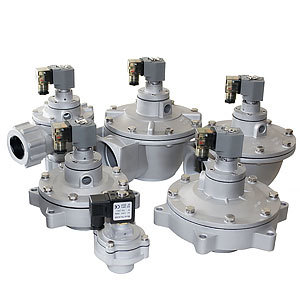
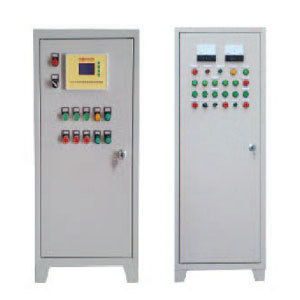
Pulse controllers are vital components in the operation of industrial air purification systems, especially in dust collection applications. These devices are designed to manage the cleaning cycles of filters in dust collectors, thereby ensuring optimal performance and extending the lifespan of the filtration equipment. By delivering controlled bursts of compressed air, pulse controllers facilitate
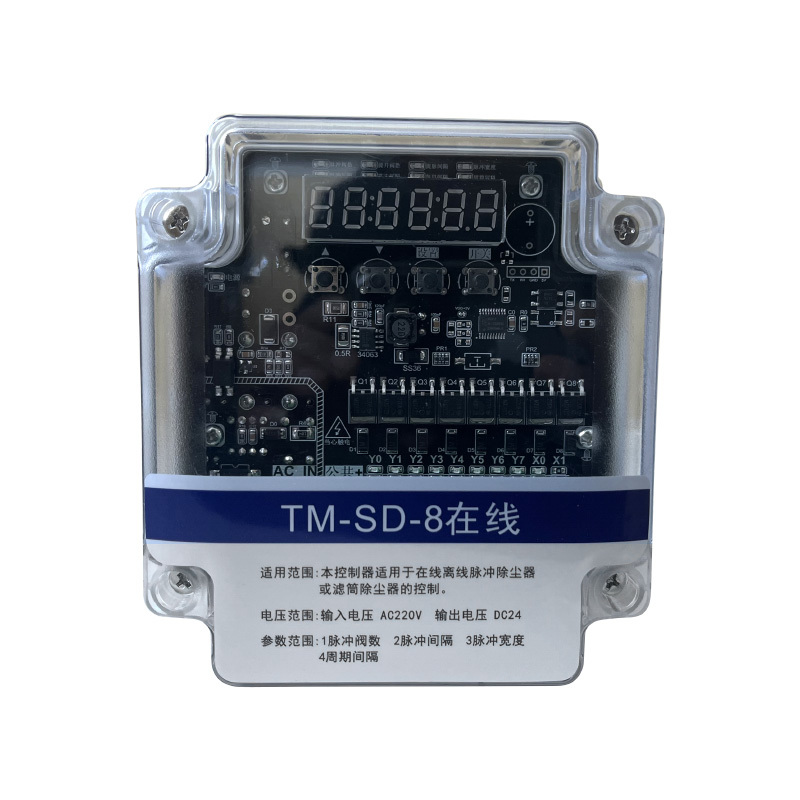
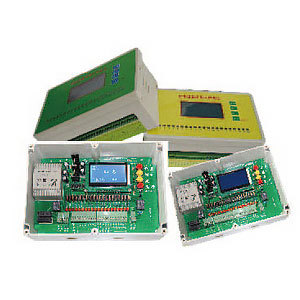
Pulse controllers are vital components in the operation of industrial air purification systems, especially in dust collection applications. These devices are designed to manage the cleaning cycles of filters in dust collectors, thereby ensuring optimal performance and extending the lifespan of the filtration equipment. By delivering controlled bursts of compressed air, pulse controllers facilitate the effective removal of accumulated dust from filter surfaces, preventing clogging and maintaining airflow efficiency.
One of the primary advantages of pulse controllers is their ability to optimize the cleaning process. A well-tuned pulse controller can adjust the timing and duration of pulse bursts based on real-time conditions, such as differential pressure across the filters. This adaptability ensures that filters are cleaned efficiently without excessive air consumption or unnecessary wear. Consequently, this contributes to overall energy savings and operational cost reductions in industrial settings.
Moreover, the integration of advanced pulse controllers can lead to improved dust collection efficiency. By employing sensors and automation technologies, modern pulse controllers can provide precise control over the cleaning cycles, enhancing the system's ability to capture fine particulate matter. This is particularly important in industries where compliance with environmental regulations is paramount, as effective dust control not only safeguards health and safety but also mitigates environmental impact.
In addition to their functional benefits, pulse controllers can also enhance the reliability of air purification systems. By preventing filter blockage, these devices decrease the likelihood of system failures, which can lead to costly downtime and lost productivity. Regular maintenance and calibration of pulse controllers are essential to ensure their continued effectiveness, as any deviations from optimal settings can significantly affect system performance.
From an operational standpoint, installing a high-quality pulse controller can yield substantial long-term benefits. Companies should consider factors such as compatibility with existing systems, ease of installation, and the availability of support when selecting a pulse controller. Furthermore, investing in training for personnel to understand the nuances of pulse controller operation can lead to more informed decision-making and proactive maintenance practices.
In conclusion, pulse controllers play a critical role in the efficiency and effectiveness of industrial air purification systems, particularly in dust collection applications. By optimizing filter cleaning cycles, enhancing dust collection efficiency, and ensuring system reliability, these devices are indispensable in maintaining clean air standards in various industrial environments. Understanding the functionality and benefits of pulse controllers will empower industry professionals to make informed choices that ultimately lead to better operational outcomes.
One of the primary advantages of pulse controllers is their ability to optimize the cleaning process. A well-tuned pulse controller can adjust the timing and duration of pulse bursts based on real-time conditions, such as differential pressure across the filters. This adaptability ensures that filters are cleaned efficiently without excessive air consumption or unnecessary wear. Consequently, this contributes to overall energy savings and operational cost reductions in industrial settings.
Moreover, the integration of advanced pulse controllers can lead to improved dust collection efficiency. By employing sensors and automation technologies, modern pulse controllers can provide precise control over the cleaning cycles, enhancing the system's ability to capture fine particulate matter. This is particularly important in industries where compliance with environmental regulations is paramount, as effective dust control not only safeguards health and safety but also mitigates environmental impact.
In addition to their functional benefits, pulse controllers can also enhance the reliability of air purification systems. By preventing filter blockage, these devices decrease the likelihood of system failures, which can lead to costly downtime and lost productivity. Regular maintenance and calibration of pulse controllers are essential to ensure their continued effectiveness, as any deviations from optimal settings can significantly affect system performance.
From an operational standpoint, installing a high-quality pulse controller can yield substantial long-term benefits. Companies should consider factors such as compatibility with existing systems, ease of installation, and the availability of support when selecting a pulse controller. Furthermore, investing in training for personnel to understand the nuances of pulse controller operation can lead to more informed decision-making and proactive maintenance practices.
In conclusion, pulse controllers play a critical role in the efficiency and effectiveness of industrial air purification systems, particularly in dust collection applications. By optimizing filter cleaning cycles, enhancing dust collection efficiency, and ensuring system reliability, these devices are indispensable in maintaining clean air standards in various industrial environments. Understanding the functionality and benefits of pulse controllers will empower industry professionals to make informed choices that ultimately lead to better operational outcomes.
Hot Tags:


Contact Us
Tel:
WeChat:
WhatsApp:
E-mail:
Address:
338 National Road South, Longfengdian Village, Botou City, Hebei Province, China
JiuznTomine is expertly delivering technically complicated projects in markets & provides custom solutions for their customized need.


CONTACT INFO
Tel: +86 18531710311
WeChat: +86-18531710311
338 National Road South, Longfengdian Village, Botou City, Hebei Province, China