













Top 5 Benefits of Using Rotary Discharge Valves in Material Handling
Apr 09,2026
Top 5 Benefits of Using Rotary Discharge Valves in Material Handling
Introduction to Rotary Discharge Valves
In the world of industrial material handling, efficiency and reliability are paramount. One component that has garnered significant attention for enhancing these aspects is the **rotary discharge valve**. These valves play a crucial role in controlling the flow of bulk materials in various

Top 5 Benefits of Using Rotary Discharge Valves in Material Handling
Introduction to Rotary Discharge Valves
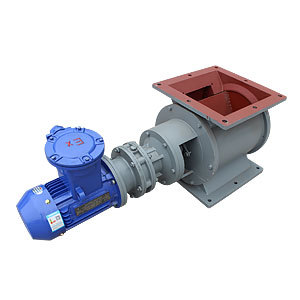
In the world of industrial material handling, efficiency and reliability are paramount. One component that has garnered significant attention for enhancing these aspects is the **rotary discharge valve**. These valves play a crucial role in controlling the flow of bulk materials in various applications, ensuring a smooth and uninterrupted process. In this article, we will delve into the **top five benefits** of using rotary discharge valves in material handling, emphasizing their importance and effectiveness.
1. Enhanced Material Flow Control
Precision in Flow Management
One of the standout features of rotary discharge valves is their ability to provide **precise flow control**. Unlike other types of valves, rotary discharge valves use a rotating mechanism that allows for a consistent and regulated discharge of materials. This is particularly beneficial in applications where uniformity is essential, such as in the food, pharmaceutical, and chemical industries.
Minimizing Material Waste
By ensuring that the material flow is both consistent and controlled, rotary discharge valves help minimize waste during the handling process. This not only contributes to cost savings but also enhances the overall efficiency of operations. When materials are dispensed accurately, it reduces the need for excess inventory and lowers the risk of spoilage, especially in sensitive applications.
2. Improved Safety in Material Handling
Reducing Risks Associated with Material Handling
Safety is a critical concern in any industrial environment. Rotary discharge valves contribute to a safer working environment by limiting the exposure of workers to hazardous materials. Their enclosed design minimizes dust emissions and the potential for spills, which can lead to accidents and health hazards.
Enhancing Operational Control
With features such as manual or automated control options, rotary discharge valves allow operators to manage material flow from a safe distance. This means that workers can avoid direct contact with potentially harmful materials, significantly reducing safety risks. Additionally, many modern rotary discharge valves are equipped with built-in safety mechanisms that prevent accidental activation, further enhancing workplace safety.
3. Versatility Across Various Applications
Adaptability to Different Materials
One of the remarkable advantages of rotary discharge valves is their versatility. They can handle a wide range of materials, including powders, granules, and even viscous substances. This adaptability makes them suitable for various sectors, from food processing to chemical manufacturing.
Compatibility with Multiple Systems
Rotary discharge valves can seamlessly integrate into existing material handling systems. Whether you are dealing with pneumatic conveying systems, gravity feed hoppers, or other bulk handling setups, these valves can be customized to fit specific requirements. Their compatibility with various materials ensures that they can be a valuable addition to your operations.
4. Maintenance Efficiency and Longevity
Durable Design and Construction
The construction of rotary discharge valves typically involves robust materials that withstand the rigors of industrial operations. This durability translates into a longer lifespan, reducing the frequency of replacements and the associated costs.
Low Maintenance Requirements
Another benefit is the relatively low maintenance requirements of rotary discharge valves. Their simple design minimizes the number of moving parts, reducing the likelihood of mechanical failure. Regular inspections and basic cleaning are generally sufficient to keep these valves running efficiently, allowing companies to focus on their core operations rather than equipment upkeep.
5. Cost-Effectiveness of Rotary Discharge Valves
Reducing Operational Costs
While the initial investment in rotary discharge valves might seem significant, the long-term cost savings they offer can be substantial. By enhancing efficiency, minimizing waste, and improving safety, these valves help reduce overall operational costs. Additionally, their longevity and low maintenance needs ensure that companies receive excellent returns on their investments.
Improved Productivity
When material handling processes run smoothly, productivity increases. With rotary discharge valves providing reliable flow control and minimizing downtime, companies can optimize their operations and meet production demands more effectively. The ability to maintain a steady supply of materials directly correlates with increased output, further contributing to the profitability of operations.
Conclusion
In an increasingly competitive industrial landscape, the adoption of rotary discharge valves in material handling processes is a strategic move that can lead to significant improvements. From enhanced material flow control and safety to versatility and cost-effectiveness, these valves offer numerous benefits that can transform operations. By investing in rotary discharge valves, companies not only improve their material handling processes but also set themselves up for long-term success and sustainability.
FAQs
1. What is a rotary discharge valve?
A rotary discharge valve is a device used in material handling systems to control the flow of bulk materials. It operates by rotating a mechanism to allow materials to be discharged in a controlled manner.
2. What materials can rotary discharge valves handle?
Rotary discharge valves are versatile and can handle various materials, including powders, granules, and viscous substances, making them suitable for multiple applications across different industries.
3. Are rotary discharge valves safe to use?
Yes, rotary discharge valves enhance safety by minimizing the risk of exposure to hazardous materials, reducing dust emissions, and allowing operators to control material flow from a safe distance.
4. How do rotary discharge valves contribute to cost savings?
By providing efficient flow control, minimizing waste, and reducing maintenance needs, rotary discharge valves help lower operational costs and improve productivity, leading to significant cost savings over time.
5. How often do rotary discharge valves require maintenance?
Rotary discharge valves require relatively low maintenance. Regular inspections and basic cleaning are typically sufficient to keep them functioning efficiently, unlike more complex valve systems that may require frequent servicing.
By understanding and leveraging the benefits of rotary discharge valves, companies in material handling can optimize their processes, improve safety, and achieve significant cost savings while enhancing overall operational efficiency.
Hot Tags:


Contact Us
Tel:
WeChat:
WhatsApp:
E-mail:
Address:
338 National Road South, Longfengdian Village, Botou City, Hebei Province, China
JiuznTomine is expertly delivering technically complicated projects in markets & provides custom solutions for their customized need.


CONTACT INFO
Tel: +86 18531710311
WeChat: +86-18531710311
338 National Road South, Longfengdian Village, Botou City, Hebei Province, China