












Understanding Butterfly Valves: An Essential Component in Industrial Systems
Apr 07,2026
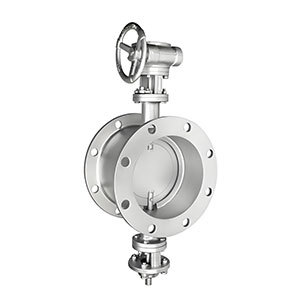
Butterfly valves are a crucial component in various industrial systems, offering effective control of fluid flow in pipelines. Their design is characterized by a rotating disc that regulates flow by turning on a shaft. This simple yet efficient mechanism allows for quick and precise adjustments of fluid passage, making butterfly valves an optimal choice for many applications.
One of the primary ad

Butterfly valves are a crucial component in various industrial systems, offering effective control of fluid flow in pipelines. Their design is characterized by a rotating disc that regulates flow by turning on a shaft. This simple yet efficient mechanism allows for quick and precise adjustments of fluid passage, making butterfly valves an optimal choice for many applications.
One of the primary advantages of butterfly valves is their lightweight construction compared to other valve types. This feature enables easier installation and maintenance, reducing operational costs and downtime. Additionally, the compact design of butterfly valves allows for space-saving installations, which is particularly beneficial in environments where space is limited.
The operation of a butterfly valve is relatively straightforward. When the valve handle is turned, the disc rotates on its axis, allowing the fluid to pass through or blocking it entirely. This quick-acting mechanism ensures rapid response times, which is crucial in processes where flow control is paramount. Furthermore, the design allows for minimal pressure drop across the valve, enhancing the overall efficiency of the system.
Butterfly valves are versatile and can be employed in various industries, including water treatment, chemical processing, and HVAC systems. Their ability to handle a wide range of fluids, from water to corrosive chemicals, makes them invaluable in many operations. Additionally, they can be designed for both throttling and on/off service, adapting to the specific needs of a system.
When choosing a butterfly valve, several factors should be considered, including the material of the valve body, temperature, pressure ratings, and the type of fluid being handled. Common materials include stainless steel, cast iron, and plastic, each suitable for different applications and environments. Selecting the right material is crucial for ensuring durability and longevity, especially in harsh conditions.
Another important consideration is the valve's sealing mechanism. Butterfly valves can feature different types of seals, such as elastomeric or metal seals, depending on the application requirements. Understanding the specific demands of your system can help in selecting the most effective sealing solution, ensuring leak-proof operation and reliable performance.
In summary, butterfly valves are an essential part of many industrial processes, offering efficient fluid control, reduced space requirements, and ease of maintenance. Their various applications across multiple industries underscore their importance in modern engineering and operations. By understanding the key features and considerations associated with butterfly valves, professionals can make informed decisions that enhance system efficiency and reliability.
One of the primary advantages of butterfly valves is their lightweight construction compared to other valve types. This feature enables easier installation and maintenance, reducing operational costs and downtime. Additionally, the compact design of butterfly valves allows for space-saving installations, which is particularly beneficial in environments where space is limited.
The operation of a butterfly valve is relatively straightforward. When the valve handle is turned, the disc rotates on its axis, allowing the fluid to pass through or blocking it entirely. This quick-acting mechanism ensures rapid response times, which is crucial in processes where flow control is paramount. Furthermore, the design allows for minimal pressure drop across the valve, enhancing the overall efficiency of the system.
Butterfly valves are versatile and can be employed in various industries, including water treatment, chemical processing, and HVAC systems. Their ability to handle a wide range of fluids, from water to corrosive chemicals, makes them invaluable in many operations. Additionally, they can be designed for both throttling and on/off service, adapting to the specific needs of a system.
When choosing a butterfly valve, several factors should be considered, including the material of the valve body, temperature, pressure ratings, and the type of fluid being handled. Common materials include stainless steel, cast iron, and plastic, each suitable for different applications and environments. Selecting the right material is crucial for ensuring durability and longevity, especially in harsh conditions.
Another important consideration is the valve's sealing mechanism. Butterfly valves can feature different types of seals, such as elastomeric or metal seals, depending on the application requirements. Understanding the specific demands of your system can help in selecting the most effective sealing solution, ensuring leak-proof operation and reliable performance.
In summary, butterfly valves are an essential part of many industrial processes, offering efficient fluid control, reduced space requirements, and ease of maintenance. Their various applications across multiple industries underscore their importance in modern engineering and operations. By understanding the key features and considerations associated with butterfly valves, professionals can make informed decisions that enhance system efficiency and reliability.
Hot Tags:
PREVIOUS:

Contact Us
Tel:
WeChat:
WhatsApp:
E-mail:
Address:
338 National Road South, Longfengdian Village, Botou City, Hebei Province, China
JiuznTomine is expertly delivering technically complicated projects in markets & provides custom solutions for their customized need.


CONTACT INFO
Tel: +86 18531710311
WeChat: +86-18531710311
338 National Road South, Longfengdian Village, Botou City, Hebei Province, China