












Understanding the Role of a Rotary Discharge Valve in Industrial Applications
Mar 04,2026
Understanding the Role of a Rotary Discharge Valve in Industrial Applications
Table of Contents
1. Introduction to Rotary Discharge Valves
2. What is a Rotary Discharge Valve?
3. Design and Functionality of Rotary Discharge Valves
4. Applications of Rotary Discharge Valves in Industrial Settings
5. Benefits of Using Rotary Discharge Valves
6. Maintenance an

Understanding the Role of a Rotary Discharge Valve in Industrial Applications
Table of Contents
- 1. Introduction to Rotary Discharge Valves
- 2. What is a Rotary Discharge Valve?
- 3. Design and Functionality of Rotary Discharge Valves
- 4. Applications of Rotary Discharge Valves in Industrial Settings
- 5. Benefits of Using Rotary Discharge Valves
- 6. Maintenance and Repair of Rotary Discharge Valves
- 7. Troubleshooting Common Issues with Rotary Discharge Valves
- 8. The Future of Rotary Discharge Valves in Industry
- 9. Frequently Asked Questions
- 10. Conclusion
1. Introduction to Rotary Discharge Valves
In modern industrial applications, efficiency and reliability are paramount. Among the crucial components that contribute to these attributes is the **rotary discharge valve**. This valve type plays a vital role in controlling the flow of bulk materials, particularly in industries such as food processing, pharmaceuticals, and chemical manufacturing. In this article, we will explore the various aspects of rotary discharge valves, including their design, functionality, and applications, as well as their advantages and maintenance.
2. What is a Rotary Discharge Valve?
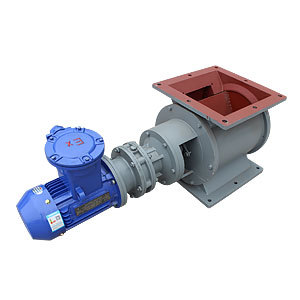
A rotary discharge valve is a mechanical device that regulates the flow of materials, typically granular or powdery substances, from one chamber to another. The valve consists of a rotating element, known as a rotor, housed within a casing. This rotor is designed to rotate and create a controlled opening for the material to pass through, allowing for precise flow management.
These valves are commonly employed in systems where airlock functionality is essential, preventing the backflow of materials and minimizing dust emissions. They are typically used in applications such as:
- **Pneumatic conveying systems**
- **Storage silos**
- **Bulk bag unloaders**
3. Design and Functionality of Rotary Discharge Valves
Rotary discharge valves come in various designs, each tailored to meet specific operational demands. The following components are key to their functionality:
3.1 Rotor Design
The rotor is the heart of the rotary discharge valve. It can come in several shapes, including:
- **Flat blade:** Ideal for bulk materials with low friction.
- **Paddle:** Improves the flow of cohesive materials.
- **Lobe:** Suitable for both liquid and viscous materials.
3.2 Casing
The casing encloses the rotor, providing structural integrity while minimizing leakage and backflow. It is often manufactured from durable materials such as stainless steel or cast iron, ensuring longevity and resistance to corrosion.
3.3 Drive Mechanism
The rotor is driven by a motor, which can be electric, pneumatic, or hydraulic, depending on application requirements. The choice of drive mechanism directly impacts the valve's performance, particularly in terms of speed and torque.
3.4 Sealing Systems
Effective sealing is crucial to prevent leaks and ensure consistent flow. Rotary discharge valves may incorporate various sealing technologies, including lip seals, O-rings, or gasketed designs, depending on the materials handled and the pressure conditions present.
4. Applications of Rotary Discharge Valves in Industrial Settings
Rotary discharge valves find extensive use across diverse industrial sectors. Their ability to handle a variety of materials makes them invaluable in the following applications:
4.1 Food Processing
In the food industry, rotary discharge valves help in the controlled flow of ingredients such as sugar, flour, and spices. They play a crucial role in minimizing contamination risks and ensuring product quality.
4.2 Chemical Manufacturing
Within the chemical sector, these valves manage hazardous materials and ensure safe handling and transfer. Their robust design allows them to withstand corrosive substances while maintaining operational efficiency.
4.4 Pharmaceutical Production
In pharmaceutical applications, rotary discharge valves contribute to precise dosing and ingredient mixing, crucial for maintaining product efficacy and compliance with stringent regulations.
4.5 Mining and Minerals
Rotary discharge valves are also essential in mining operations, where they facilitate the transfer of minerals and ores, ensuring that operations run smoothly even in challenging environments.
5. Benefits of Using Rotary Discharge Valves
The adoption of rotary discharge valves in industrial processes presents numerous advantages:
5.1 Enhanced Process Control
With their ability to regulate flow rates accurately, rotary discharge valves significantly improve process control. This leads to better productivity and product consistency.
5.2 Reduced Material Loss
By providing precise flow management, these valves minimize material loss during processing. This contributes to cost savings and increases the overall efficiency of operations.
5.3 Versatility
Rotary discharge valves can handle an extensive range of materials, from powders to granular substances, making them suitable for various applications across multiple industries.
5.4 Improved Safety
In processes involving hazardous materials, rotary discharge valves enhance safety by preventing backflow and minimizing dust emissions, thus safeguarding personnel and the environment.
5.5 Low Maintenance Requirements
Designed for durability and minimal wear, rotary discharge valves demand relatively low maintenance, reducing downtime and maintenance costs in industrial settings.
6. Maintenance and Repair of Rotary Discharge Valves
Maintaining rotary discharge valves is essential to ensure their longevity and optimal performance. Below are key maintenance practices:
6.1 Regular Inspections
Routine inspections should be conducted to identify signs of wear, leakage, or malfunction. This proactive approach helps to mitigate potential issues before they escalate.
6.2 Lubrication
Depending on the design, lubrication of moving parts is critical. Regularly applying lubricant helps to reduce friction and wear, extending the valve's lifespan.
6.3 Component Replacement
Components such as seals and O-rings should be replaced as part of regular maintenance. Ensuring that these parts are in good condition is vital for preventing leaks and maintaining performance.
6.4 Cleaning
Regular cleaning helps to prevent material build-up that could interfere with valve operation. Adopting appropriate cleaning methods suited to the materials being handled is essential.
7. Troubleshooting Common Issues with Rotary Discharge Valves
Despite their robust design, rotary discharge valves may encounter several common issues:
7.1 Leakage
If leakage occurs, it may be due to worn seals or improper installation. Inspecting and replacing sealing components can resolve this issue.
7.2 Blockages
Blockages can occur due to material build-up within the valve. Conducting regular cleaning and inspections can help to prevent this problem.
7.3 Inconsistent Flow Rates
If flow rates are inconsistent, it may indicate a malfunctioning rotor or drive mechanism. A thorough inspection of these components is recommended.
7.4 Excessive Wear
Signs of wear can indicate the need for lubrication or the replacement of specific components. Regular maintenance can mitigate excessive wear, ensuring longer valve life.
8. The Future of Rotary Discharge Valves in Industry
As industry continues to evolve, so too will rotary discharge valves. Innovations in materials, design, and technology are expected to enhance their performance further. The integration of smart technology and automation may lead to more efficient operations, allowing for real-time monitoring and adjustments in flow control.
The ongoing demand for sustainability within industrial processes is likely to propel advancements in rotary discharge valves, focusing on reducing energy consumption and environmental impact. The future looks promising for these essential components as industries seek to optimize their operations while adhering to regulatory standards.
9. Frequently Asked Questions
9.1 What materials can rotary discharge valves handle?
Rotary discharge valves can handle a variety of materials, including powders, grains, and granules, making them versatile for many applications.
9.2 How do I choose the right rotary discharge valve for my application?
Selecting the appropriate rotary discharge valve depends on factors such as the material type, flow rate requirements, and operating environment.
9.3 What is the average lifespan of a rotary discharge valve?
The lifespan of a rotary discharge valve varies depending on usage and maintenance but can typically range from several years to over a decade with proper care.
9.4 Are rotary discharge valves easy to maintain?
Yes, rotary discharge valves are generally designed for low maintenance, but regular inspections and component replacements are essential for optimal performance.
9.5 Can rotary discharge valves be automated?
Absolutely! Many rotary discharge valves can be integrated into automated systems, allowing for enhanced control and monitoring of material flow.
10. Conclusion
In summary, the **rotary discharge valve** is a crucial component in various industrial applications, offering enhanced process control, safety, and efficiency. Understanding its design, functionality, and maintenance requirements will empower industries to optimize their operations effectively. As technology continues to advance, rotary discharge valves are poised to evolve further, meeting the demands of modern industry while contributing to sustainability and operational excellence.
Hot Tags:
PREVIOUS:
Contact Us
Tel:
WeChat:
WhatsApp:
E-mail:
Address:
338 National Road South, Longfengdian Village, Botou City, Hebei Province, China
JiuznTomine is expertly delivering technically complicated projects in markets & provides custom solutions for their customized need.


CONTACT INFO
Tel: +86 18531710311
WeChat: +86-18531710311
338 National Road South, Longfengdian Village, Botou City, Hebei Province, China