












Understanding Butterfly Valves: Essential Components in Industrial Applications
Mar 02,2026
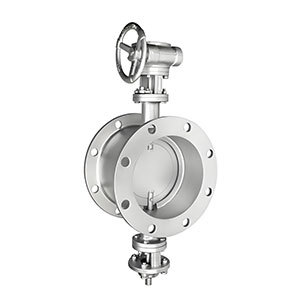
Butterfly valves are a type of flow control device commonly used in various industrial applications. Their unique design features a disc that rotates around a central axis, allowing for efficient regulation of fluid flow through a pipeline. The simple yet effective mechanism of a butterfly valve makes it a popular choice in industries such as water treatment, chemical processing, and HVAC systems.

Butterfly valves are a type of flow control device commonly used in various industrial applications. Their unique design features a disc that rotates around a central axis, allowing for efficient regulation of fluid flow through a pipeline. The simple yet effective mechanism of a butterfly valve makes it a popular choice in industries such as water treatment, chemical processing, and HVAC systems.
One of the key advantages of butterfly valves is their compact design. Unlike other valve types that require more space for operation, butterfly valves can be installed in tight spaces, making them ideal for applications where space is at a premium. This is particularly beneficial in urban environments or existing infrastructure where modifications may be necessary. Moreover, the lightweight nature of butterfly valves reduces the overall weight of the piping system, which can lead to cost savings in material and installation efforts.
In terms of functionality, butterfly valves provide quick and efficient shut-off capabilities. The disc can be fully opened or closed with just a quarter turn of the handle or actuator, allowing for rapid adjustments to flow rates. This quick response time is essential in systems where maintaining control over fluid flow is critical. Additionally, the design of the valve minimizes turbulence and pressure drop, ensuring that the system operates efficiently.
Butterfly valves are also versatile in their applications. They can be used to regulate both liquids and gases and can handle varying levels of pressure and temperature. Depending on the specific materials used in their construction, butterfly valves can be tailored to resist corrosion, wear, and other environmental factors that could compromise their performance. This adaptability makes them suitable for a wide range of sectors, including oil and gas, pharmaceuticals, and food processing.
Maintenance of butterfly valves is generally straightforward due to their simple design. Regular inspections and minor adjustments can easily be performed to ensure optimal performance. Furthermore, the availability of replacement parts is typically high, which means that any necessary repairs can be conducted with minimal downtime.
In summary, butterfly valves are an essential component in many industrial systems, offering reliability, efficiency, and versatility. Understanding their design and operational characteristics can help professionals make informed decisions when selecting the appropriate valve for their specific needs. Whether you are involved in installation, maintenance, or design, recognizing the significance of butterfly valves in fluid control can enhance the effectiveness of your industrial operations.
One of the key advantages of butterfly valves is their compact design. Unlike other valve types that require more space for operation, butterfly valves can be installed in tight spaces, making them ideal for applications where space is at a premium. This is particularly beneficial in urban environments or existing infrastructure where modifications may be necessary. Moreover, the lightweight nature of butterfly valves reduces the overall weight of the piping system, which can lead to cost savings in material and installation efforts.
In terms of functionality, butterfly valves provide quick and efficient shut-off capabilities. The disc can be fully opened or closed with just a quarter turn of the handle or actuator, allowing for rapid adjustments to flow rates. This quick response time is essential in systems where maintaining control over fluid flow is critical. Additionally, the design of the valve minimizes turbulence and pressure drop, ensuring that the system operates efficiently.
Butterfly valves are also versatile in their applications. They can be used to regulate both liquids and gases and can handle varying levels of pressure and temperature. Depending on the specific materials used in their construction, butterfly valves can be tailored to resist corrosion, wear, and other environmental factors that could compromise their performance. This adaptability makes them suitable for a wide range of sectors, including oil and gas, pharmaceuticals, and food processing.
Maintenance of butterfly valves is generally straightforward due to their simple design. Regular inspections and minor adjustments can easily be performed to ensure optimal performance. Furthermore, the availability of replacement parts is typically high, which means that any necessary repairs can be conducted with minimal downtime.
In summary, butterfly valves are an essential component in many industrial systems, offering reliability, efficiency, and versatility. Understanding their design and operational characteristics can help professionals make informed decisions when selecting the appropriate valve for their specific needs. Whether you are involved in installation, maintenance, or design, recognizing the significance of butterfly valves in fluid control can enhance the effectiveness of your industrial operations.
Hot Tags:


Contact Us
Tel:
WeChat:
WhatsApp:
E-mail:
Address:
338 National Road South, Longfengdian Village, Botou City, Hebei Province, China
JiuznTomine is expertly delivering technically complicated projects in markets & provides custom solutions for their customized need.


CONTACT INFO
Tel: +86 18531710311
WeChat: +86-18531710311
338 National Road South, Longfengdian Village, Botou City, Hebei Province, China