











Understanding Pulse Controllers: Enhancing Air Filtration Efficiency in Industrial Dust Collection Systems
Mar 06,2026
In the realm of industrial equipment, particularly in air purification and dust collection systems, pulse controllers play a pivotal role in enhancing operational efficiency. These devices are designed to regulate the cleaning cycles of dust collector filters, ensuring that particulate matter is effectively removed from the air without compromising the equipment's performance. Understanding the te
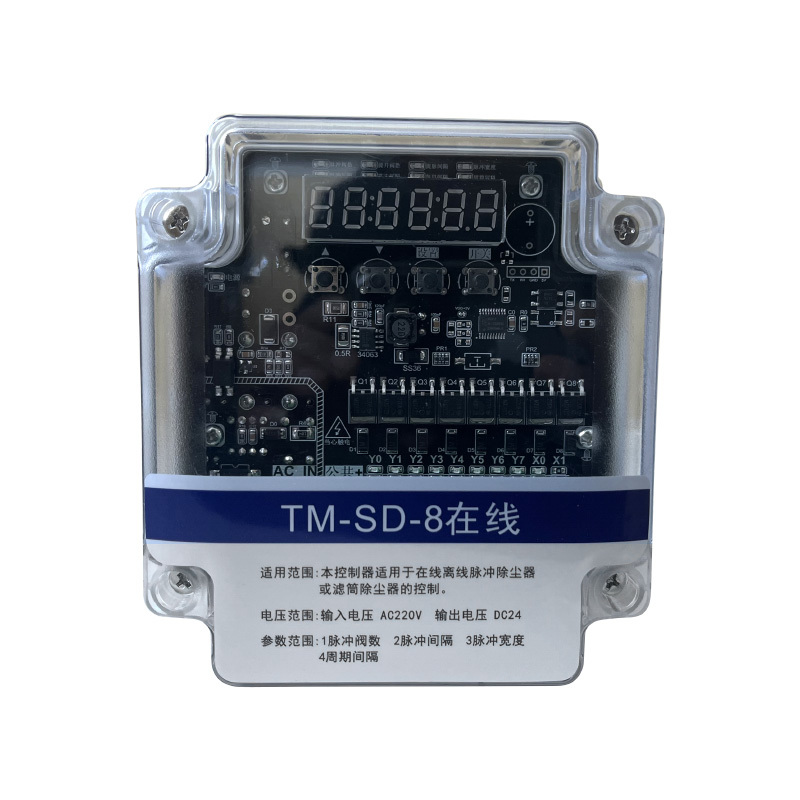
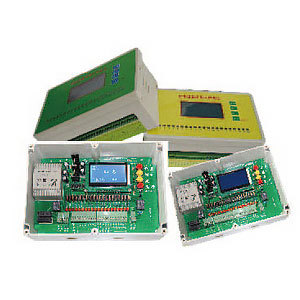
In the realm of industrial equipment, particularly in air purification and dust collection systems, pulse controllers play a pivotal role in enhancing operational efficiency. These devices are designed to regulate the cleaning cycles of dust collector filters, ensuring that particulate matter is effectively removed from the air without compromising the equipment's performance. Understanding the technical functions and benefits of pulse controllers can greatly aid businesses in optimizing their air filtration processes.
At the core of a pulse controller's operation is its ability to deliver controlled bursts of compressed air to the filters in a dust collection system. This process, known as pulse jet cleaning, effectively dislodges accumulated dust and debris from the filter media, thereby maintaining optimal airflow and reducing pressure differentials across the filters. By implementing a pulse controller, businesses can significantly improve the efficiency of their filtration systems, leading to lower energy costs and enhanced overall performance.
One of the primary advantages of using a pulse controller in dust collection applications is its adaptability. These devices can be programmed to operate based on various parameters, such as differential pressure or a timer, allowing for automatic adjustments to cleaning cycles. This flexibility ensures that filters receive the necessary cleaning without manual intervention, thereby reducing labor costs and minimizing downtime. Additionally, by preventing over-cleaning, pulse controllers help to extend the life of the filters, resulting in less frequent replacements and lower long-term operational costs.
Moreover, pulse controllers contribute to the overall effectiveness of air purification systems. By maintaining cleaner filters, these devices ensure that the air quality within an industrial setting remains high, which is essential for both worker health and compliance with environmental regulations. Cleaner air not only reduces the risk of respiratory issues among employees but also enhances productivity, as a healthier workforce is more efficient and engaged.
The integration of pulse controllers into dust collection systems also supports innovations in sensor technology and automation. Modern pulse controllers can be equipped with advanced sensors that monitor filter conditions and air quality in real-time. This data-driven approach allows for more precise control and optimization of the filtration process, enabling companies to respond quickly to changes in air quality or production rates.
In conclusion, pulse controllers are indispensable in the context of industrial air purification systems, particularly for dust collection applications. By enhancing filtration efficiency, extending filter life, and improving workplace air quality, these devices provide significant operational benefits. For companies looking to optimize their air purification processes, investing in a reliable pulse controller is a strategic move toward achieving greater efficiency and sustainability in their operations.
At the core of a pulse controller's operation is its ability to deliver controlled bursts of compressed air to the filters in a dust collection system. This process, known as pulse jet cleaning, effectively dislodges accumulated dust and debris from the filter media, thereby maintaining optimal airflow and reducing pressure differentials across the filters. By implementing a pulse controller, businesses can significantly improve the efficiency of their filtration systems, leading to lower energy costs and enhanced overall performance.
One of the primary advantages of using a pulse controller in dust collection applications is its adaptability. These devices can be programmed to operate based on various parameters, such as differential pressure or a timer, allowing for automatic adjustments to cleaning cycles. This flexibility ensures that filters receive the necessary cleaning without manual intervention, thereby reducing labor costs and minimizing downtime. Additionally, by preventing over-cleaning, pulse controllers help to extend the life of the filters, resulting in less frequent replacements and lower long-term operational costs.
Moreover, pulse controllers contribute to the overall effectiveness of air purification systems. By maintaining cleaner filters, these devices ensure that the air quality within an industrial setting remains high, which is essential for both worker health and compliance with environmental regulations. Cleaner air not only reduces the risk of respiratory issues among employees but also enhances productivity, as a healthier workforce is more efficient and engaged.
The integration of pulse controllers into dust collection systems also supports innovations in sensor technology and automation. Modern pulse controllers can be equipped with advanced sensors that monitor filter conditions and air quality in real-time. This data-driven approach allows for more precise control and optimization of the filtration process, enabling companies to respond quickly to changes in air quality or production rates.
In conclusion, pulse controllers are indispensable in the context of industrial air purification systems, particularly for dust collection applications. By enhancing filtration efficiency, extending filter life, and improving workplace air quality, these devices provide significant operational benefits. For companies looking to optimize their air purification processes, investing in a reliable pulse controller is a strategic move toward achieving greater efficiency and sustainability in their operations.
Hot Tags:


Contact Us
Tel:
WeChat:
WhatsApp:
E-mail:
Address:
338 National Road South, Longfengdian Village, Botou City, Hebei Province, China
JiuznTomine is expertly delivering technically complicated projects in markets & provides custom solutions for their customized need.


CONTACT INFO
Tel: +86 18531710311
WeChat: +86-18531710311
338 National Road South, Longfengdian Village, Botou City, Hebei Province, China