











Understanding ESP Discharge Electrodes: Key Components in Air Pollution Control
Feb 06,2026
Electrostatic Precipitators (ESPs) serve as vital tools in the battle against air pollution, particularly in industrial settings where particulate emissions are a concern. One of the most critical components of an ESP is the discharge electrode. This device plays an essential role in the electrostatic precipitation process, enabling industries to meet regulatory standards for air quality.
ESP disc
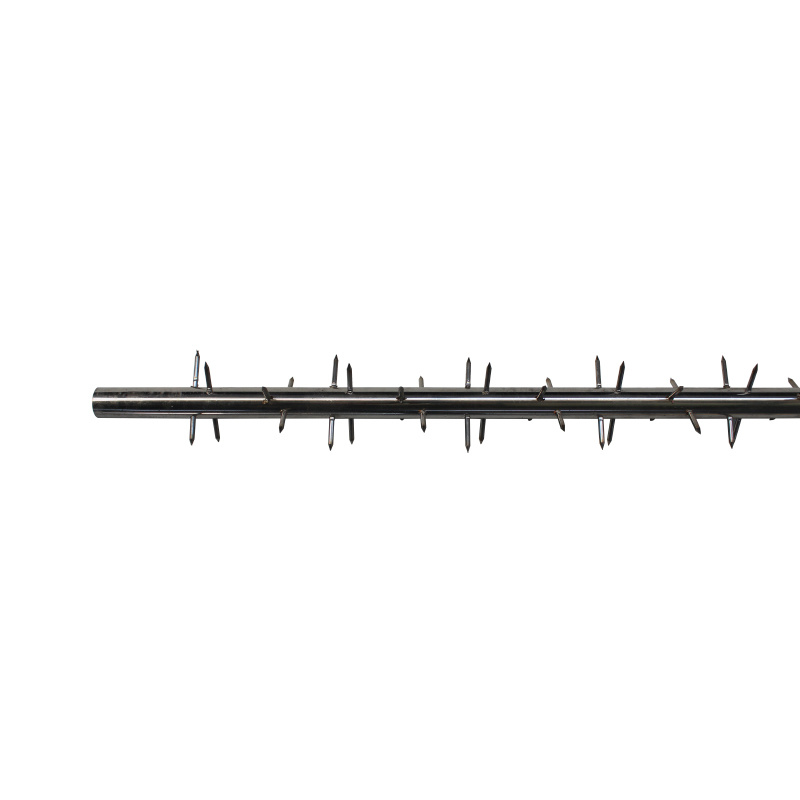
Electrostatic Precipitators (ESPs) serve as vital tools in the battle against air pollution, particularly in industrial settings where particulate emissions are a concern. One of the most critical components of an ESP is the discharge electrode. This device plays an essential role in the electrostatic precipitation process, enabling industries to meet regulatory standards for air quality.
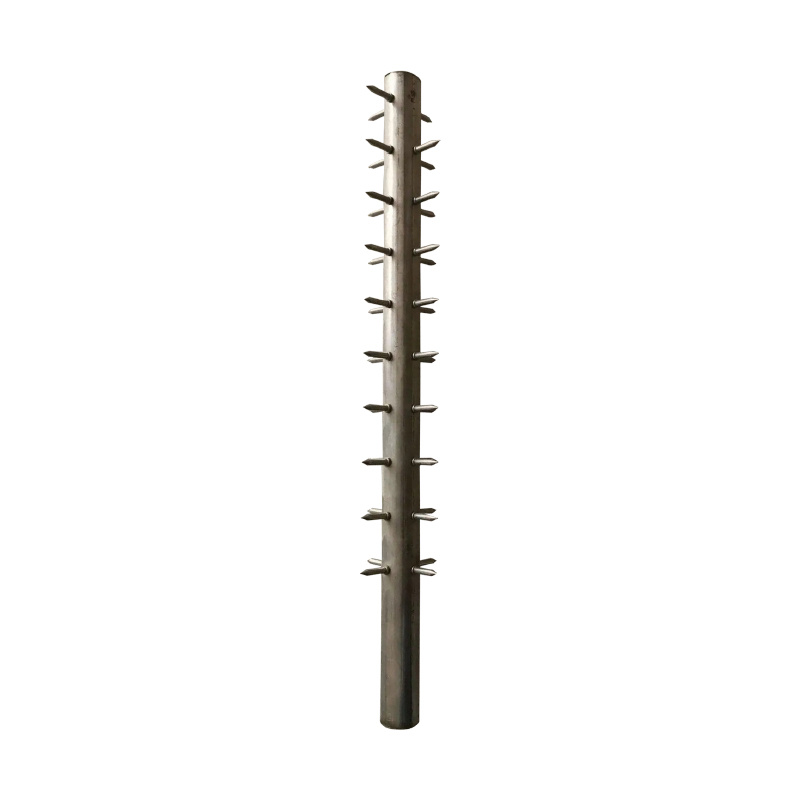
ESP discharge electrodes are designed to generate a high-voltage electric field that ionizes the air surrounding them. This ionization process creates charged particles, which then interact with the dust and other particulate matter present in the flue gas. When these particles acquire a charge, they are attracted to the oppositely charged collection plates within the ESP, facilitating their removal from the gas stream.
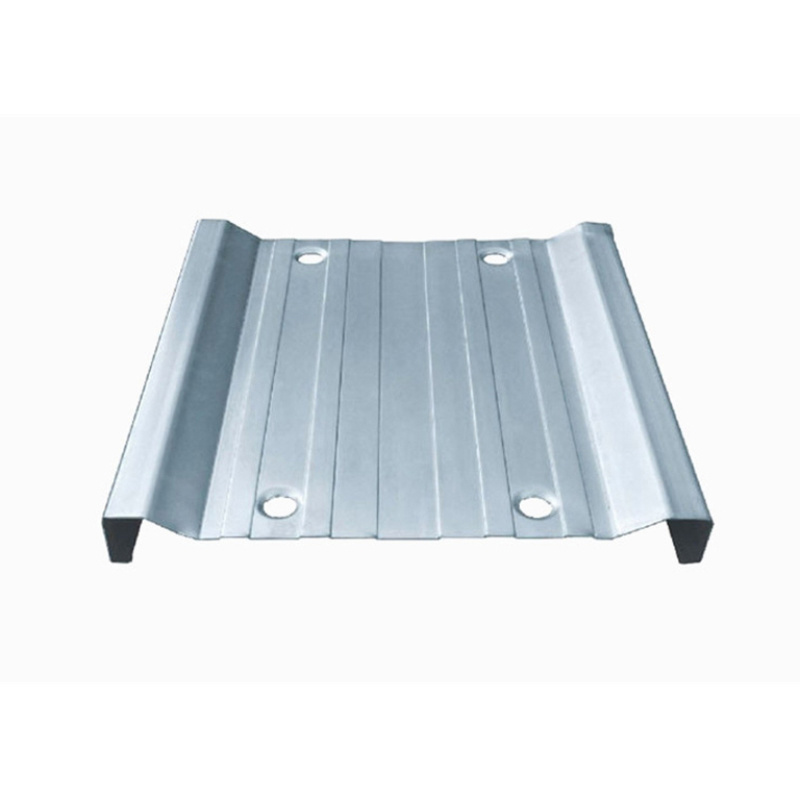
There are generally two types of discharge electrodes used in ESPs: wire electrodes and plate electrodes. Wire electrodes are often preferred due to their ability to generate a more intense electric field over a larger area, enhancing the overall efficiency of the precipitation process. On the other hand, plate electrodes can be used in applications where space is limited, albeit with potentially reduced efficiency.
The efficiency of an ESP is influenced by several factors, including the design of the discharge electrode, the voltage applied, and the characteristics of the particulate matter being collected. Regular maintenance and monitoring of these electrodes are crucial to ensure optimal performance and longevity. Environmental conditions, such as humidity and temperature, also play a role in the electrode's effectiveness.
Investing in quality ESP discharge electrodes leads to numerous benefits for industrial facilities. By improving the capture of particulate matter, these electrodes help reduce emissions, thus supporting compliance with environmental regulations. Additionally, the use of ESPs equipped with high-performance discharge electrodes can lead to reduced operational costs by minimizing energy consumption and maintenance requirements.
Moreover, as industries increasingly focus on sustainability, the role of ESP discharge electrodes becomes even more critical. They not only help in achieving cleaner air but also contribute to the overall efficiency of industrial processes, thereby promoting a healthier work environment and reducing the ecological footprint.
In conclusion, understanding the functionality and importance of ESP discharge electrodes is essential for professionals involved in air pollution control and industrial operations. These components are not just technical features; they are integral to the advancement of cleaner, more efficient manufacturing practices. By prioritizing effective electrostatic precipitation solutions, industries can significantly enhance their environmental responsibility while maintaining operational excellence.
ESP discharge electrodes are designed to generate a high-voltage electric field that ionizes the air surrounding them. This ionization process creates charged particles, which then interact with the dust and other particulate matter present in the flue gas. When these particles acquire a charge, they are attracted to the oppositely charged collection plates within the ESP, facilitating their removal from the gas stream.
There are generally two types of discharge electrodes used in ESPs: wire electrodes and plate electrodes. Wire electrodes are often preferred due to their ability to generate a more intense electric field over a larger area, enhancing the overall efficiency of the precipitation process. On the other hand, plate electrodes can be used in applications where space is limited, albeit with potentially reduced efficiency.
The efficiency of an ESP is influenced by several factors, including the design of the discharge electrode, the voltage applied, and the characteristics of the particulate matter being collected. Regular maintenance and monitoring of these electrodes are crucial to ensure optimal performance and longevity. Environmental conditions, such as humidity and temperature, also play a role in the electrode's effectiveness.
Investing in quality ESP discharge electrodes leads to numerous benefits for industrial facilities. By improving the capture of particulate matter, these electrodes help reduce emissions, thus supporting compliance with environmental regulations. Additionally, the use of ESPs equipped with high-performance discharge electrodes can lead to reduced operational costs by minimizing energy consumption and maintenance requirements.
Moreover, as industries increasingly focus on sustainability, the role of ESP discharge electrodes becomes even more critical. They not only help in achieving cleaner air but also contribute to the overall efficiency of industrial processes, thereby promoting a healthier work environment and reducing the ecological footprint.
In conclusion, understanding the functionality and importance of ESP discharge electrodes is essential for professionals involved in air pollution control and industrial operations. These components are not just technical features; they are integral to the advancement of cleaner, more efficient manufacturing practices. By prioritizing effective electrostatic precipitation solutions, industries can significantly enhance their environmental responsibility while maintaining operational excellence.
Hot Tags:


Contact Us
Tel:
WeChat:
WhatsApp:
E-mail:
Address:
338 National Road South, Longfengdian Village, Botou City, Hebei Province, China
JiuznTomine is expertly delivering technically complicated projects in markets & provides custom solutions for their customized need.


CONTACT INFO
Tel: +86 18531710311
WeChat: +86-18531710311
338 National Road South, Longfengdian Village, Botou City, Hebei Province, China