











How to Identify the Best Galvanized Dust Removal Skeleton for Your Facility
Feb 08,2026
How to Identify the Best Galvanized Dust Removal Skeleton for Your Facility
Dust management is critical in industrial settings, where airborne particles can compromise air quality and safety. A **galvanized dust removal skeleton** plays a significant role in maintaining a clean environment. Understanding how to choose the best option for your facility can lead to improved efficiency and enhanced w

How to Identify the Best Galvanized Dust Removal Skeleton for Your Facility
Dust management is critical in industrial settings, where airborne particles can compromise air quality and safety. A **galvanized dust removal skeleton** plays a significant role in maintaining a clean environment. Understanding how to choose the best option for your facility can lead to improved efficiency and enhanced worker health. In this guide, we will explore essential aspects of selecting the ideal galvanized dust removal skeleton.
Table of Contents
- What is a Galvanized Dust Removal Skeleton?
- Importance of Dust Removal Skeletons in Industrial Settings
- Key Features to Consider
- Types of Galvanized Dust Removal Skeletons
- How to Evaluate the Quality of Galvanized Dust Removal Skeletons
- Installation and Maintenance
- Cost-Effectiveness of Galvanized Dust Removal Skeletons
- Conclusion
- Frequently Asked Questions
What is a Galvanized Dust Removal Skeleton?
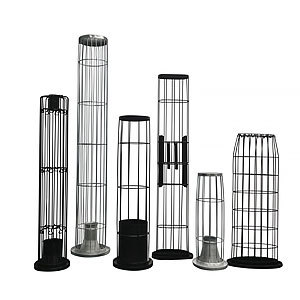
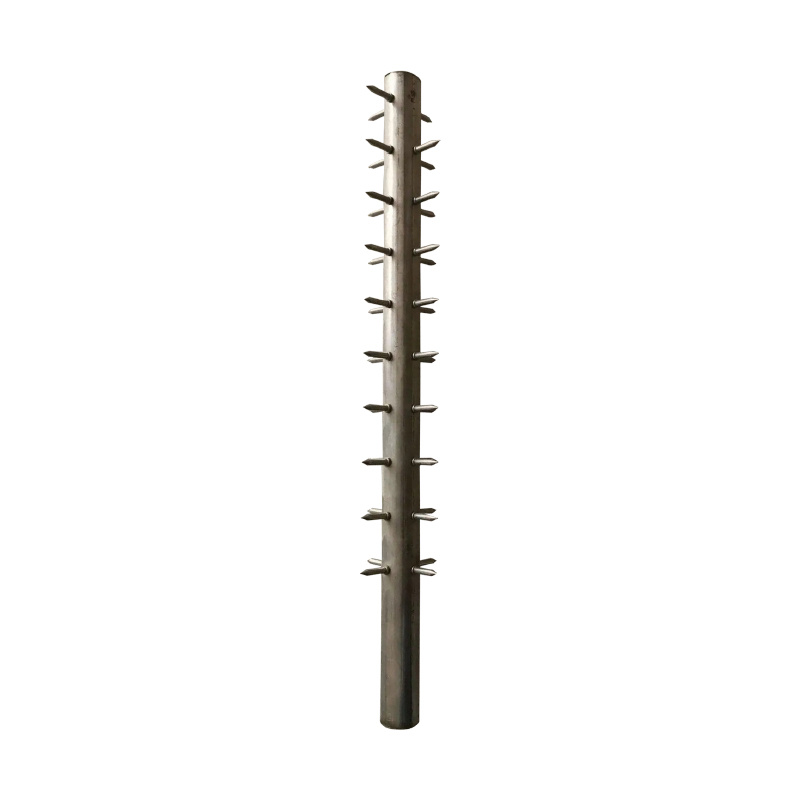
A **galvanized dust removal skeleton** is a structural framework designed to support dust collection systems in various industrial applications. Galvanization refers to the process of applying a protective zinc coating to steel or iron, enhancing the durability and lifespan of the skeleton. This feature is pivotal for environments that experience high levels of dust, as it minimizes corrosion and ensures long-term functionality.
Importance of Dust Removal Skeletons in Industrial Settings
The significance of dust removal skeletons cannot be overstated. Primarily, they contribute to improved air quality by effectively capturing dust and preventing it from entering the workplace atmosphere. Poor air quality can lead to respiratory issues, decreased worker productivity, and higher health-related costs. Additionally, effective dust management can comply with regulatory standards, helping avoid fines and legal complications.
Furthermore, a well-designed dust removal skeleton can enhance the overall efficiency of the dust collection system. By providing a sturdy and reliable framework, it ensures that dust is collected effectively, reducing the risk of system failure and the need for frequent maintenance.
Key Features to Consider
When selecting the best galvanized dust removal skeleton for your facility, there are several key features to consider:
1. Durability and Corrosion Resistance
Select a product made of high-quality galvanized steel to ensure longevity and resistance to corrosion. The harsh industrial environment requires materials that can withstand wear and tear.
2. Load-Bearing Capacity
The skeleton must support the weight of the dust collection system, including filters and any additional accessories. Assess the load-bearing capacity to avoid structural failures.
3. Compatibility with Existing Systems
Evaluate how well the skeleton integrates with your current dust collection system. Compatibility ensures optimal functionality and efficiency.
4. Flexibility and Customization
Consider options that allow for customization. Facilities often have unique requirements, so a flexible design can accommodate future changes or expansions.
5. Ease of Installation
Choose a skeleton that is straightforward to install. A complex installation process can lead to increased downtime and additional labor costs.
6. Maintenance Requirements
Evaluate the maintenance needs of the skeleton. An easy-to-maintain structure will save time and resources in the long run.
Types of Galvanized Dust Removal Skeletons
Understanding the different types of galvanized dust removal skeletons available can aid in making an informed decision:
1. Modular Skeletons
Modular skeletons consist of pre-fabricated components that allow for easy assembly and customization. This type is ideal for facilities looking for flexibility in design.
2. Fixed Skeletons
Fixed skeletons offer a more permanent solution, designed for specific dust collection systems. They are typically more robust but may limit future modifications.
3. Adjustable Skeletons
These skeletons come with adjustable components, allowing for height changes and other modifications. This adaptability can be beneficial in dynamic industrial environments.
How to Evaluate the Quality of Galvanized Dust Removal Skeletons
To ensure the skeleton meets industry standards, consider the following evaluation criteria:
1. Material Certification
Verify that the skeleton complies with relevant industry certifications, indicating its quality and reliability.
2. Manufacturer Reputation
Research the manufacturer’s track record in producing galvanized dust removal skeletons. A reputable company with positive customer feedback is often a good indicator of quality.
3. Warranty and Support
Check the warranty period offered by the manufacturer. A robust warranty often reflects the manufacturer’s confidence in the product's durability.
4. User Reviews and Case Studies
Look for case studies or reviews from other users to gain insights into the effectiveness and reliability of the skeleton in real-world applications.
Installation and Maintenance
Proper installation and regular maintenance are crucial to the longevity of the galvanized dust removal skeleton.
1. Installation Best Practices
Follow the manufacturer's guidelines during the installation process. Ensuring a level and secure fit is essential for optimal performance.
2. Routine Inspections
Conduct regular inspections to identify any signs of wear or damage. Early detection can prevent costly repairs and system failures.
3. Cleaning and Upkeep
Implement a cleaning schedule to remove dust buildup on the skeleton and surrounding areas. This practice enhances the overall efficiency of the dust collection system.
Cost-Effectiveness of Galvanized Dust Removal Skeletons
Investing in a galvanized dust removal skeleton may seem daunting initially, but it can lead to significant cost savings in the long run. Consider the following factors:
1. Reduced Maintenance Costs
A durable skeleton minimizes the frequency and costs associated with repairs and replacements.
2. Improved Efficiency
An efficient dust removal system can lead to increased productivity and reduced downtime, translating into higher profits.
3. Compliance Savings
By ensuring clean air standards are met, facilities can avoid fines and penalties, offering a financial incentive for investing in high-quality dust removal solutions.
Conclusion
Selecting the best galvanized dust removal skeleton for your facility is a crucial decision that impacts air quality, productivity, and compliance. By understanding the key features, types, and evaluation criteria, you can make an informed choice that meets your unique needs. Investing in a high-quality skeleton not only enhances worker safety but also contributes to improved operational efficiency. Prioritize durability, compatibility, and ease of maintenance to ensure a successful dust management strategy.
Frequently Asked Questions
1. What is the primary function of a galvanized dust removal skeleton?
A galvanized dust removal skeleton provides structural support for dust collection systems, ensuring effective dust management and improved air quality in industrial settings.
2. How do I know if a dust removal skeleton is compatible with my existing system?
Check the specifications provided by both the skeleton and your current dust collection system. Consulting with the manufacturer can also provide clarity on compatibility.
3. What maintenance is required for galvanized dust removal skeletons?
Routine inspections, cleaning, and prompt repairs are essential to maintain the performance and longevity of the skeleton.
4. Are modular dust removal skeletons better than fixed ones?
It depends on your facility's needs. Modular skeletons offer flexibility for customization, while fixed skeletons provide a robust solution for specific applications.
5. How can I assess the quality of a galvanized dust removal skeleton?
Evaluate material certifications, manufacturer reputation, warranty terms, and user reviews to determine the quality of the skeleton before making a purchase.
Hot Tags:


Contact Us
Tel:
WeChat:
WhatsApp:
E-mail:
Address:
338 National Road South, Longfengdian Village, Botou City, Hebei Province, China
JiuznTomine is expertly delivering technically complicated projects in markets & provides custom solutions for their customized need.


CONTACT INFO
Tel: +86 18531710311
WeChat: +86-18531710311
338 National Road South, Longfengdian Village, Botou City, Hebei Province, China