












A Comprehensive Guide to Grinding Platform Dust Collector Maintenance: Ensuring Optimal Performance and Longevity
Jan 20,2026
A Comprehensive Guide to Grinding Platform Dust Collector Maintenance
Table of Contents
1. Introduction to Grinding Platform Dust Collectors
2. Importance of Dust Collector Maintenance
3. Key Components of Dust Collectors
4. Maintenance Schedule for Dust Collectors
4.1 Daily Maintenance Checks
4.2 Weekly Maintenance Checks
4.3 Monthly M

A Comprehensive Guide to Grinding Platform Dust Collector Maintenance
Table of Contents
- 1. Introduction to Grinding Platform Dust Collectors
- 2. Importance of Dust Collector Maintenance
- 3. Key Components of Dust Collectors
- 4. Maintenance Schedule for Dust Collectors
- 4.1 Daily Maintenance Checks
- 4.2 Weekly Maintenance Checks
- 4.3 Monthly Maintenance Checks
- 4.4 Annual Maintenance Checks
- 5. Common Issues and Troubleshooting
- 6. Cleaning Procedures for Dust Collectors
- 7. Safety Tips for Dust Collector Maintenance
- 8. Conclusion
- 9. Frequently Asked Questions
1. Introduction to Grinding Platform Dust Collectors
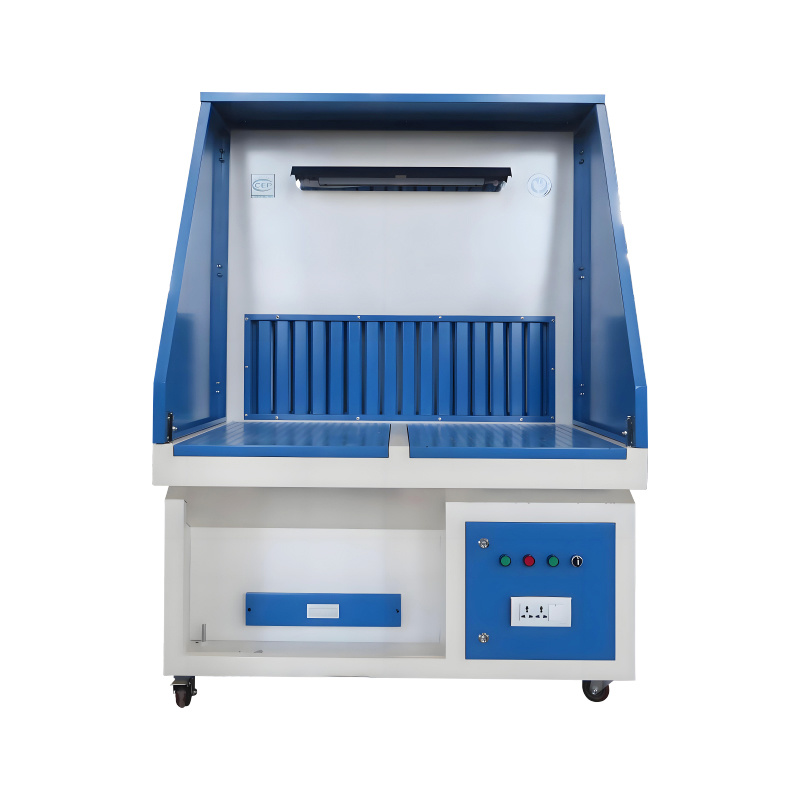
Grinding platform dust collectors are vital in industrial settings, especially where grinding, cutting, and milling processes generate significant amounts of dust and particulate matter. These systems are designed to enhance workplace safety and compliance with environmental regulations by efficiently capturing airborne contaminants. Understanding how to maintain these systems is crucial for ensuring their effectiveness, longevity, and overall operational efficiency.
2. Importance of Dust Collector Maintenance
Regular maintenance of dust collectors is imperative for several reasons:
- **Performance Optimization**: Frequent maintenance ensures that the dust collector operates at peak efficiency, reducing downtime and enhancing productivity.
- **Safety Compliance**: A well-maintained dust collector minimizes the risk of dust explosions and health hazards associated with airborne particles.
- **Cost Savings**: Preventative maintenance can significantly reduce repair costs and extend the life of the equipment, leading to long-term financial savings.
- **Regulatory Compliance**: Adhering to maintenance protocols helps businesses comply with local and international regulations regarding air quality and waste management.
3. Key Components of Dust Collectors
Understanding the components of a dust collector is essential for effective maintenance. Key components include:
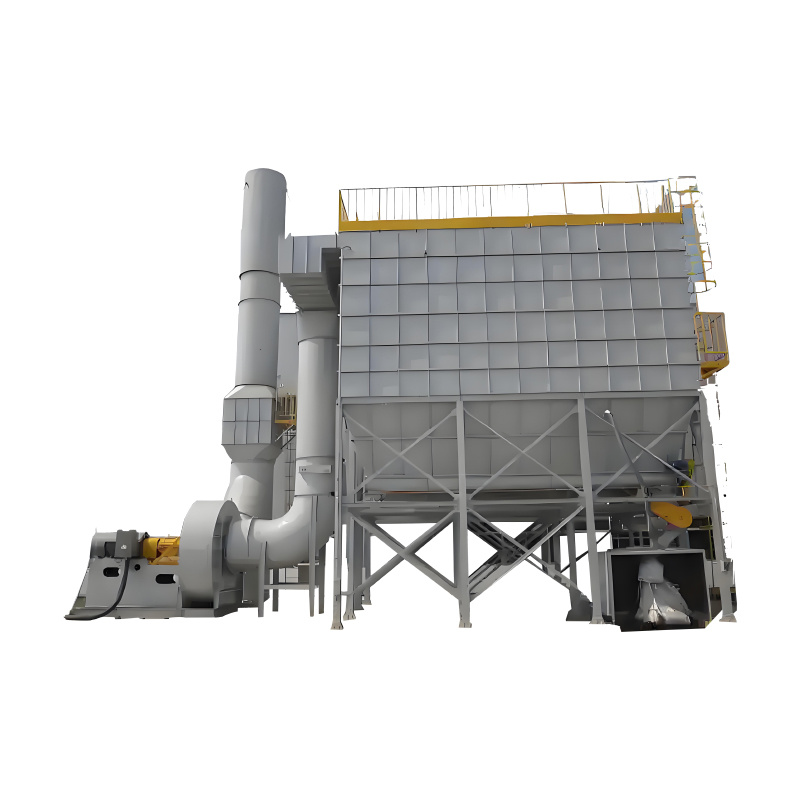
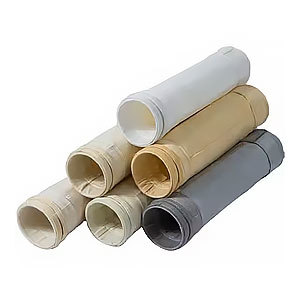
- **Filters**: These capture dust particles from the air stream. Regular checking and replacement are vital for optimal performance.
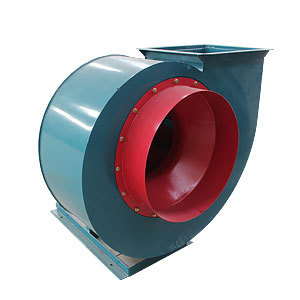
- **Blower**: This component creates the airflow needed for dust collection. It should be checked for noise and vibration to ensure proper function.
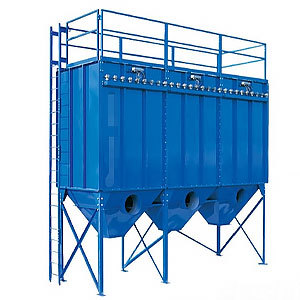
- **Hopper**: This is where collected dust is stored before disposal. Keeping it clean and free from blockages is crucial.
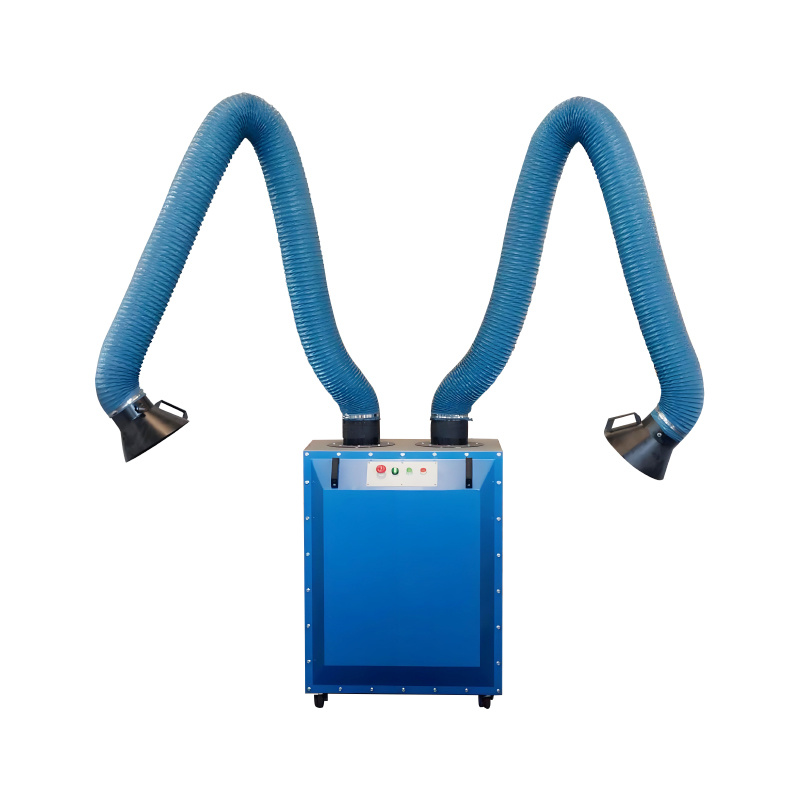
- **Ductwork**: This connects the dust collector to the source of dust generation. Inspections should focus on leaks or blockages that could reduce efficiency.
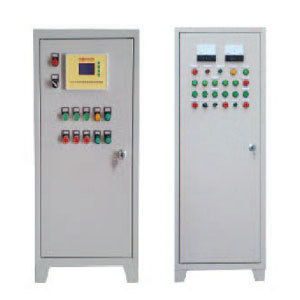
- **Control Panel**: This component allows operators to monitor and control the dust collector. Regular checks for proper function are essential.
4. Maintenance Schedule for Dust Collectors
Establishing a maintenance schedule helps ensure that every aspect of the dust collector is regularly inspected and serviced. Below are recommended maintenance checks categorized by frequency.
4.1 Daily Maintenance Checks
Each day, operators should perform the following checks to ensure optimal performance:
- **Visual Inspection**: Look for any visible signs of wear or damage to the system, including filters, ductwork, and the hopper.
- **Airflow Monitoring**: Check the airflow using an anemometer to ensure it meets operational standards.
- **Dust Accumulation**: Inspect the area around the dust collector for any signs of dust accumulation, which may indicate inefficiency.
4.2 Weekly Maintenance Checks
Weekly checks should include:
- **Filter Condition**: Inspect the filters for signs of saturation or damage. A clogged filter can significantly reduce efficiency.
- **Motor Functionality**: Listen for unusual sounds from the blower motor, which could indicate potential issues.
- **Hopper Inspection**: Ensure that the hopper is not overfilled and is properly sealed to prevent dust leakage.
4.3 Monthly Maintenance Checks
On a monthly basis, operators should conduct:
- **Filter Replacement**: Based on usage and manufacturer recommendations, replace filters as needed.
- **Ductwork Examination**: Inspect ductwork for leaks or blockages that may impede airflow.
- **Electrical Connections**: Check all electrical connections for corrosion or damage, ensuring everything is secure and functioning.
4.4 Annual Maintenance Checks
An annual maintenance check should involve a comprehensive review of the entire system:
- **Professional Inspection**: Consider hiring a professional service to evaluate the dust collector and perform necessary repairs or adjustments.
- **Comprehensive Cleaning**: A thorough cleaning of the entire system, including the blower and ductwork, to remove any built-up dust and debris.
- **Performance Evaluation**: Conduct a performance evaluation to ensure the dust collector meets operational standards and efficiency benchmarks.
5. Common Issues and Troubleshooting
Even with regular maintenance, issues may arise. Here are some common problems and their solutions.
5.1 Poor Suction Problems
If the dust collector experiences poor suction, the following steps may help:
- **Check for Blockages**: Inspect the ductwork and filters for any blockages that could hinder airflow.
- **Examine the Blower**: Ensure the blower is functioning correctly, as any malfunction here can lead to reduced suction.
- **Evaluate Filter Condition**: Filters that are saturated or damaged may need to be replaced immediately.
5.2 Filter-Related Issues
Filter-related issues can manifest in various ways:
- **Increased Pressure Drop**: A noticeable increase in pressure drop across the filters indicates they may require cleaning or replacement.
- **Dust Leakage**: If dust is escaping from the collector, inspect the filters for proper sealing and integrity.
- **Noise Levels**: Unusual noises during operation may signal filter damage or inadequate airflow.
6. Cleaning Procedures for Dust Collectors
Proper cleaning procedures are vital for maintaining the efficiency of dust collectors. Here are recommended steps:
- **Shutdown Procedures**: Always ensure the equipment is powered down before commencing cleaning.
- **Filter Cleaning**: Depending on the type of filter, either manually clean or use a compressed air system to remove dust.
- **Internal Cleaning**: Use a vacuum with a HEPA filter to clean the interior components and remove any dust accumulation.
- **External Cleaning**: Regularly clean the exterior of the dust collector to prevent dirt buildup, which can affect performance.
7. Safety Tips for Dust Collector Maintenance
Maintaining safety during maintenance is crucial. Here are some essential safety tips:
- **Personal Protective Equipment (PPE)**: Always wear appropriate PPE, including gloves, goggles, and masks, to protect against dust inhalation.
- **Lockout/Tagout Procedures**: Implement lockout/tagout procedures to ensure that the equipment cannot be accidentally powered on during maintenance.
- **Ventilation**: Maintain good ventilation in the work area to minimize dust exposure.
8. Conclusion
Maintaining a grinding platform dust collector is essential to ensure operational efficiency, safety, and compliance with regulations. By following a structured maintenance schedule, understanding common issues, and implementing proper cleaning procedures, businesses can significantly extend the lifespan of their dust collectors. Ultimately, prioritizing dust collector maintenance not only enhances workplace safety but also contributes to the overall productivity of industrial operations.
9. Frequently Asked Questions
1. How often should I clean my dust collector filters?
We recommend cleaning or replacing filters based on usage and manufacturer recommendations, typically every month or sooner if performance issues arise.
2. What should I do if my dust collector isn’t capturing dust effectively?
Check for blockages in the ductwork or filters, ensure the blower is functioning properly, and inspect filter integrity for any damage or leaks.
3. Can I perform maintenance on my dust collector myself?
Yes, many maintenance tasks can be performed by operators; however, certain complex issues may require a professional technician.
4. How do I know when to replace my dust collector filters?
Indicators include a noticeable increase in pressure drop, dust leakage from the collector, or significant discoloration of filters.
5. Are there specific safety measures I should follow during maintenance?
Always wear protective gear, follow lockout/tagout procedures, and ensure proper ventilation in the workspace to minimize dust exposure.
By adhering to these guidelines, businesses can ensure the longevity and effectiveness of their grinding platform dust collectors, contributing to a safer and more efficient work environment.
Hot Tags:
PREVIOUS:


Contact Us
Tel:
WeChat:
WhatsApp:
E-mail:
Address:
338 National Road South, Longfengdian Village, Botou City, Hebei Province, China
JiuznTomine is expertly delivering technically complicated projects in markets & provides custom solutions for their customized need.


CONTACT INFO
Tel: +86 18531710311
WeChat: +86-18531710311
338 National Road South, Longfengdian Village, Botou City, Hebei Province, China