












The Essential Guide to Welding Fume Dust Collectors: Ensuring Safety and Efficiency in Industrial Workspaces
Jan 18,2026
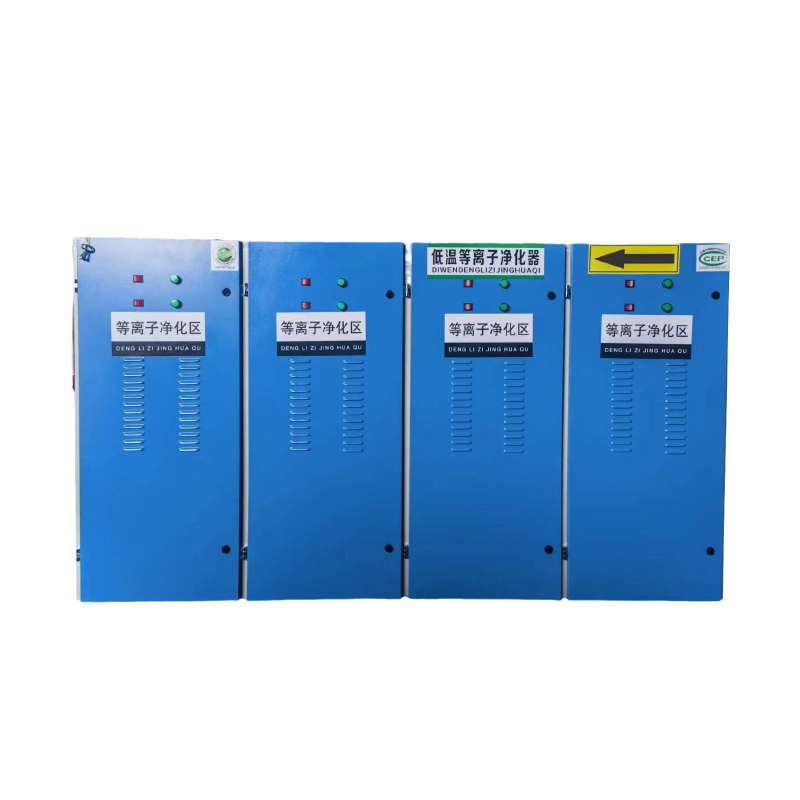
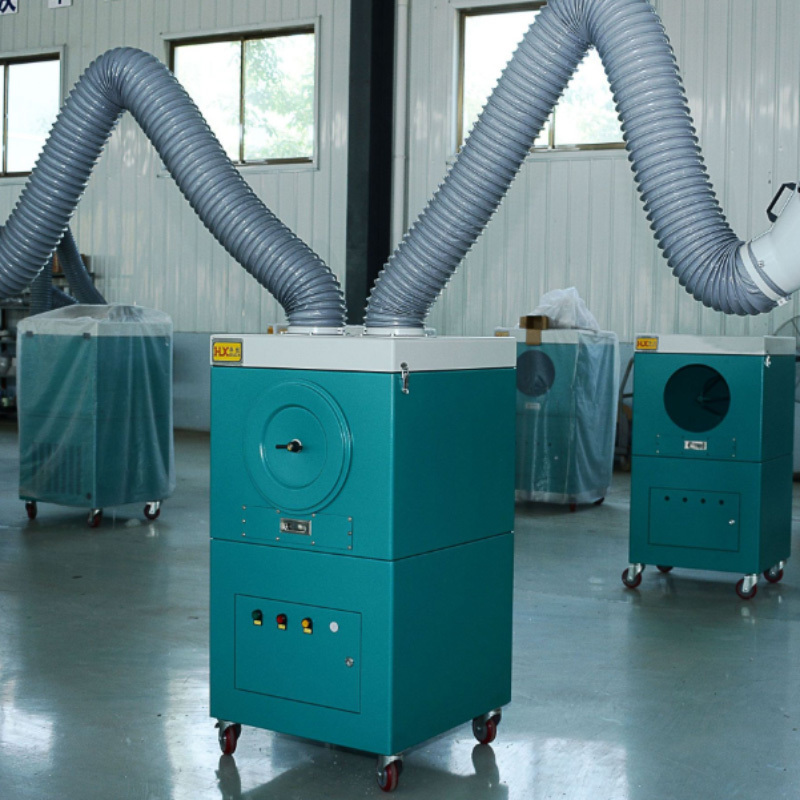
Welding is an essential process in various industries, but it also produces harmful fumes and dust that can pose serious health risks to workers. This is where a welding fume dust collector comes into play. These devices are designed to capture and filter hazardous particles generated during welding operations, ensuring the air remains clean and safe for employees.
Welding fume dust collectors op
Welding is an essential process in various industries, but it also produces harmful fumes and dust that can pose serious health risks to workers. This is where a welding fume dust collector comes into play. These devices are designed to capture and filter hazardous particles generated during welding operations, ensuring the air remains clean and safe for employees.
Welding fume dust collectors operate using a combination of mechanical and electrical filtration systems, which trap harmful contaminants before they can be inhaled. This process not only protects workers' respiratory health but also enhances overall workplace safety. By removing particulates and gases such as manganese, nickel, and chromium, these collectors help to mitigate the risks of long-term exposure to toxic substances often found in welding fumes.
Additionally, the presence of welding fume dust collectors can lead to increased operational efficiency. Clean air is essential for maintaining optimal visibility and reducing equipment wear. By effectively managing the fumes and dust, companies can minimize downtime and enhance productivity. Moreover, maintaining air quality can lead to fewer health-related absences, fostering a more motivated and healthier workforce.
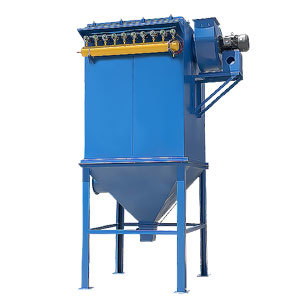
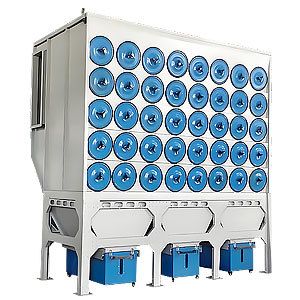
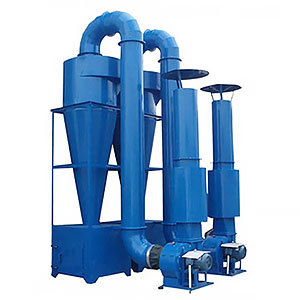
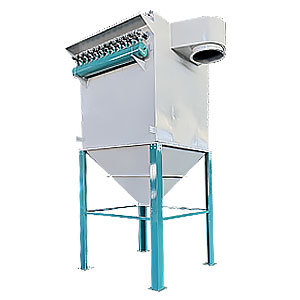
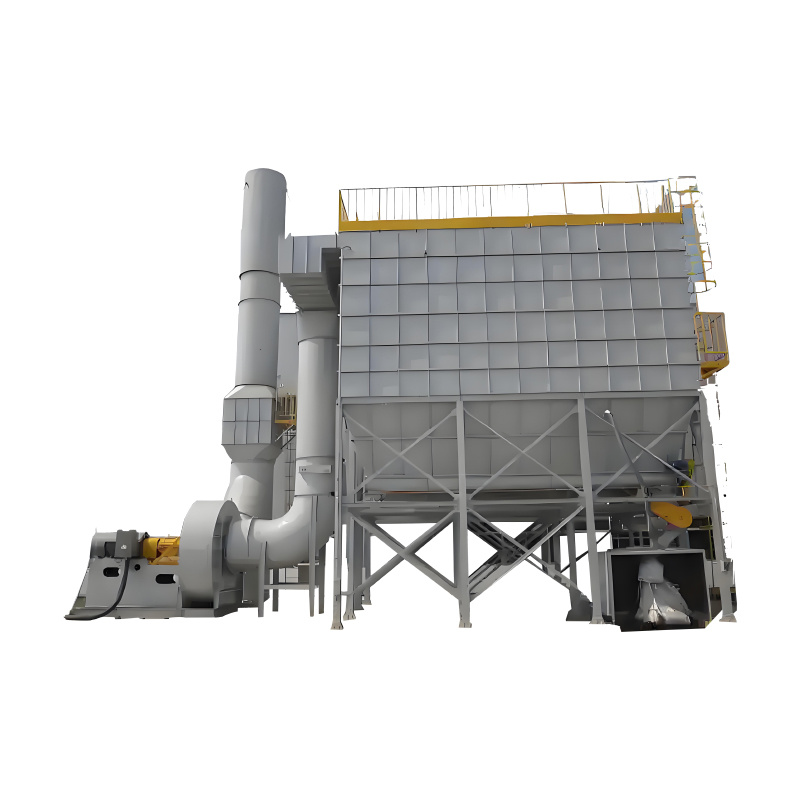
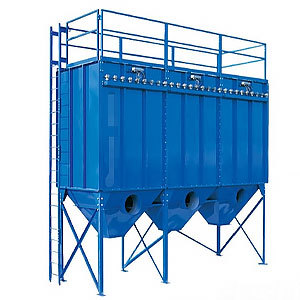
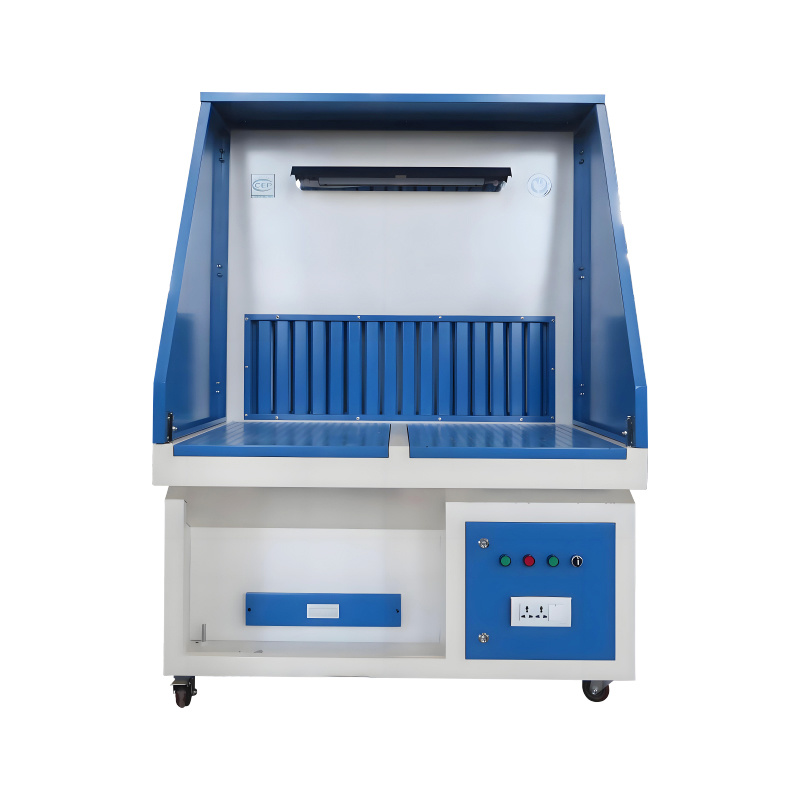
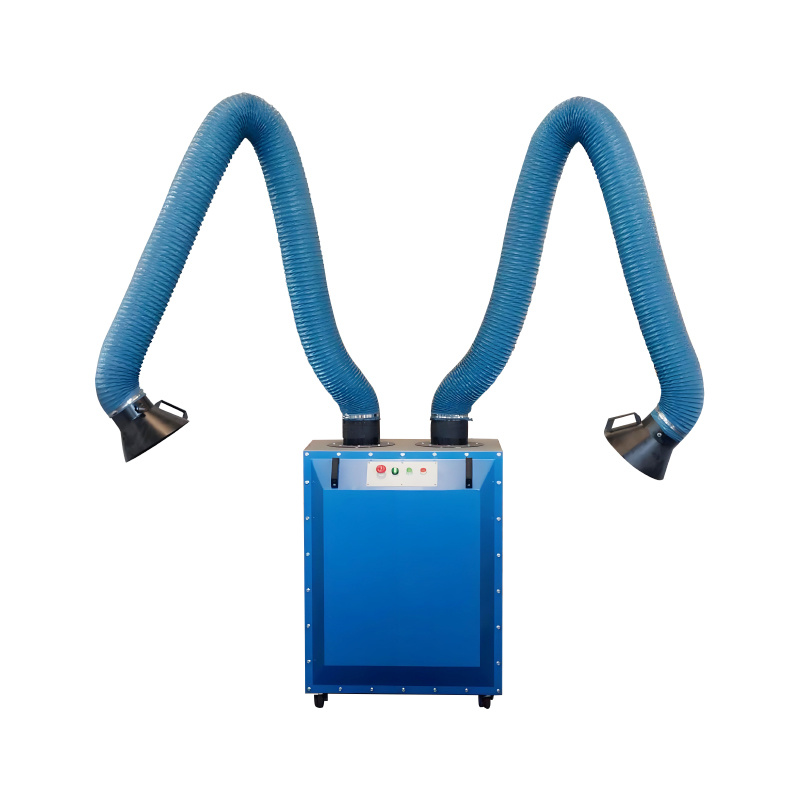
When selecting a welding fume dust collector, several factors should be considered. The size and type of the welding operation, as well as the specific materials being welded, can influence the effectiveness of a dust collector. Portable units may be ideal for smaller operations or job sites where mobility is necessary. In contrast, centralized systems may suit larger facilities that conduct high-volume welding.
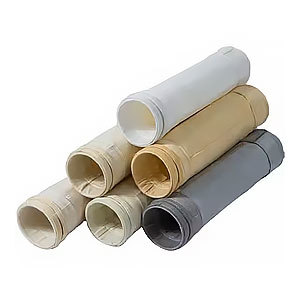
Moreover, the choice of filters is crucial; HEPA filters are often recommended for their ability to capture very fine particles, ensuring comprehensive air purification. Regular maintenance and filter replacement are also essential to ensure the longevity and efficiency of the system.
Investing in a welding fume dust collector not only complies with occupational safety regulations but also reflects a company's commitment to employee well-being. It demonstrates a proactive approach to creating a healthier work environment, which can lead to improved morale and productivity.
In conclusion, welding fume dust collectors are indispensable in industrial settings where welding is prevalent. They play a vital role in safeguarding workers' health and enhancing operational efficiency by effectively managing hazardous fumes and dust. By prioritizing air quality, companies can ensure a safer, more productive workplace for everyone involved.
Welding fume dust collectors operate using a combination of mechanical and electrical filtration systems, which trap harmful contaminants before they can be inhaled. This process not only protects workers' respiratory health but also enhances overall workplace safety. By removing particulates and gases such as manganese, nickel, and chromium, these collectors help to mitigate the risks of long-term exposure to toxic substances often found in welding fumes.
Additionally, the presence of welding fume dust collectors can lead to increased operational efficiency. Clean air is essential for maintaining optimal visibility and reducing equipment wear. By effectively managing the fumes and dust, companies can minimize downtime and enhance productivity. Moreover, maintaining air quality can lead to fewer health-related absences, fostering a more motivated and healthier workforce.
When selecting a welding fume dust collector, several factors should be considered. The size and type of the welding operation, as well as the specific materials being welded, can influence the effectiveness of a dust collector. Portable units may be ideal for smaller operations or job sites where mobility is necessary. In contrast, centralized systems may suit larger facilities that conduct high-volume welding.
Moreover, the choice of filters is crucial; HEPA filters are often recommended for their ability to capture very fine particles, ensuring comprehensive air purification. Regular maintenance and filter replacement are also essential to ensure the longevity and efficiency of the system.
Investing in a welding fume dust collector not only complies with occupational safety regulations but also reflects a company's commitment to employee well-being. It demonstrates a proactive approach to creating a healthier work environment, which can lead to improved morale and productivity.
In conclusion, welding fume dust collectors are indispensable in industrial settings where welding is prevalent. They play a vital role in safeguarding workers' health and enhancing operational efficiency by effectively managing hazardous fumes and dust. By prioritizing air quality, companies can ensure a safer, more productive workplace for everyone involved.
Hot Tags:
Contact Us
Tel:
WeChat:
WhatsApp:
E-mail:
Address:
338 National Road South, Longfengdian Village, Botou City, Hebei Province, China
JiuznTomine is expertly delivering technically complicated projects in markets & provides custom solutions for their customized need.


CONTACT INFO
Tel: +86 18531710311
WeChat: +86-18531710311
338 National Road South, Longfengdian Village, Botou City, Hebei Province, China