












Dust removal skeleton: bag support core and stable operation guarantee
Jan 20,2026

In the bag filter system, the dust removal skeleton serves as the core supporting component. Although it does not directly participate in dust filtration, it bears the key responsibility of supporting the dust removal bag and maintaining the integrity of the filtration structure. The rationality of its design, material adaptability, and processing accuracy directly affect the filtration efficiency and service life of the bag, which in turn determines the stable operation of the entire dust removal system and is widely applicable to industrial dust removal scenarios in various industries.
Core function: Provide precise support for dust removal bags
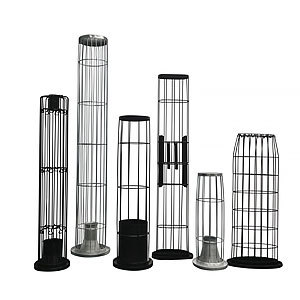
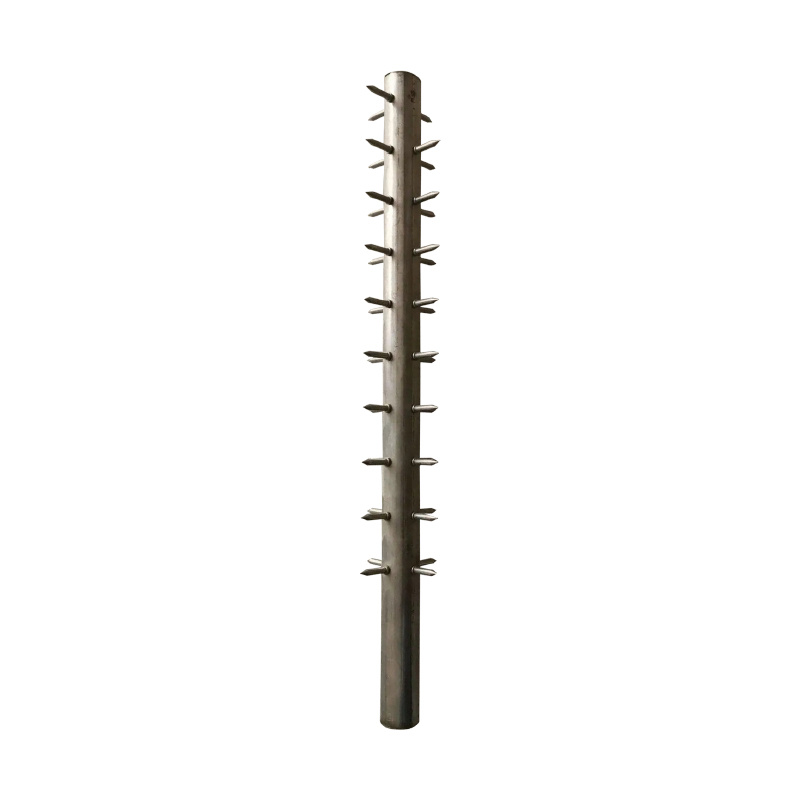
The core function of the dust removal skeleton is to provide rigid support for the flexible dust removal bag, avoiding collapse, deformation or damage of the bag during airflow impact, dust accumulation and cleaning process. During the operation of the dust collector, the dusty airflow passes through the bag, and the dust is intercepted on the surface of the filter material. The skeleton is supported by evenly distributed longitudinal and ring ribs, which stretch the bag to form a fixed filtering space, ensuring that the airflow can smoothly pass through the filter material, avoiding the reduction of filtering area due to bag adhesion and wrinkling, and ensuring stable dust removal efficiency.
At the same time, in the pulse cleaning process, high-pressure airflow instantly blows into the interior of the bag, effectively dispersing the impact force of the airflow and preventing the bag from tearing or wearing due to excessive local stress. At the same time, it assists the bag in quickly restoring its original state after cleaning, ensuring the smooth progress of the next round of filtration operations. In addition, the precise adaptation between the skeleton and the cloth bag can reduce the friction loss between the filter material and the skeleton, further extend the service life of the cloth bag, and reduce the system operation and maintenance costs.
Multiple application scenarios: adapted to different industrial dust removal needs
The application scenario of dust removal skeleton is highly compatible with bag dust collectors. With customizable structure and material design, it adapts to the dust characteristics and working conditions of different industries, becoming a highly versatile component in industrial dust removal systems.
In the metallurgical industry, high temperature and high concentration dust conditions are common, and it is necessary to use a high-temperature resistant stainless steel material dust removal skeleton, which can maintain structural stability in environments above 400 ℃, support high-temperature resistant Fumes cloth bags to achieve dust filtration, and adapt to the dust removal needs of blast furnaces, converters and other equipment. In the chemical industry, acidic and alkaline corrosive dust can easily corrode the skeleton. Carbon steel skeleton or corrosion-resistant alloy skeleton treated with galvanizing, spraying and other anti-corrosion methods can effectively resist corrosion and support the stable operation of anti-corrosion bags in fertilizer, pesticide, chemical raw material production and other scenarios.
The wood processing and furniture manufacturing industries generate wood dust particles that are relatively large and contain certain fiber impurities. Choosing a dust removal skeleton with a sturdy structure and reasonable spacing between longitudinal bars can avoid fiber entanglement causing bag blockage, while supporting ordinary polyester bags to achieve efficient dust removal. The food processing industry has high requirements for hygiene standards, using a dust removal skeleton with a smooth surface, no burrs, and food grade anti-corrosion treatment to prevent dust accumulation and bacterial growth, suitable for clean dust removal scenarios such as flour, feed, and food additive production.
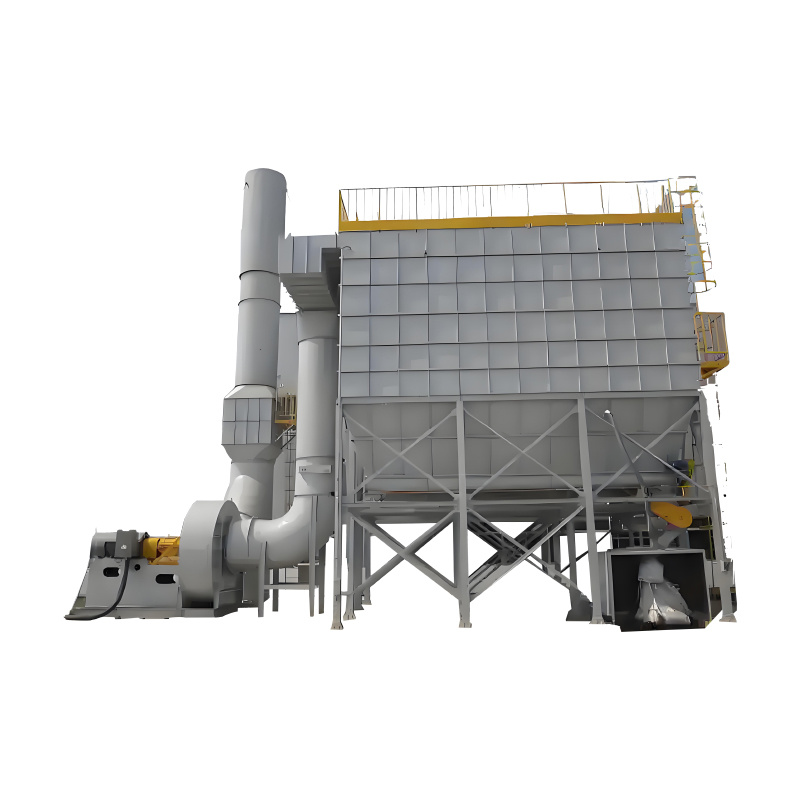
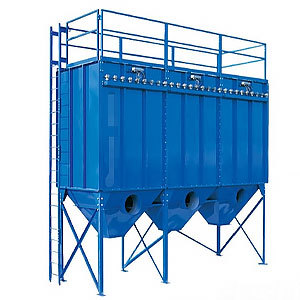
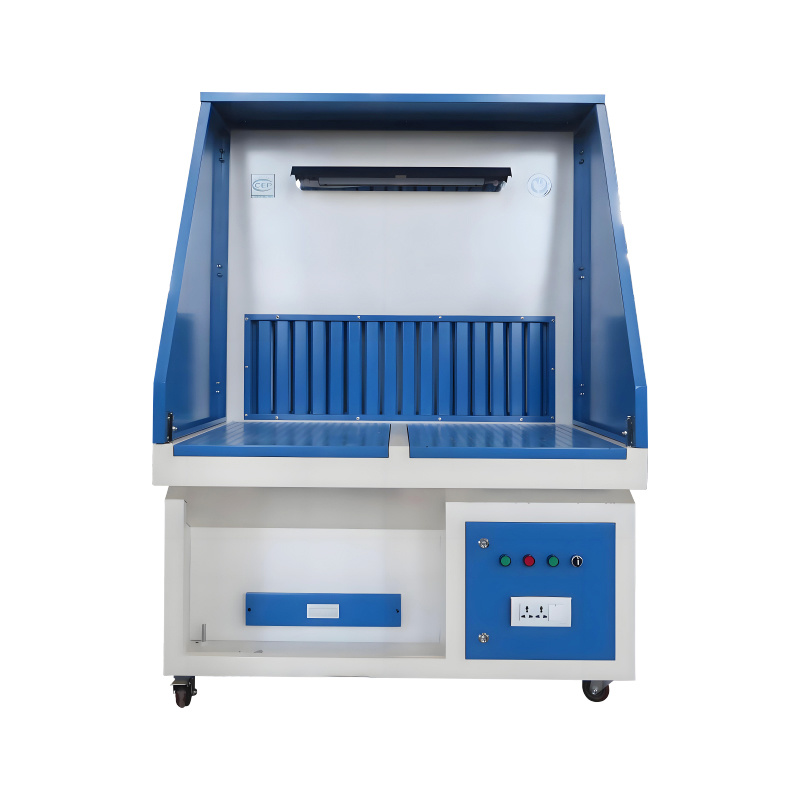
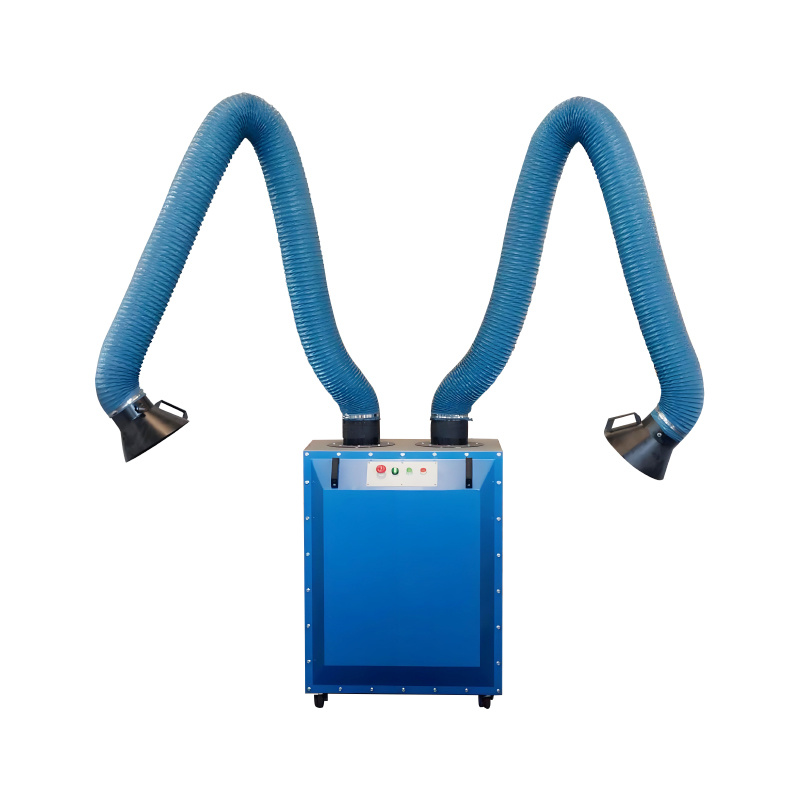
In addition, in large-scale dust removal systems in industries such as electricity, cement, and mining, the dust removal skeleton can be customized in length, diameter, and number of reinforcement bars according to the size of the bag, to meet the support requirements of the bag under high air volume and high pressure conditions, ensuring the continuous and stable operation of large-scale dust collectors; In small workshops and mobile dust removal equipment, lightweight and compact skeletons can adapt to installation conditions with limited space, while balancing support performance and equipment flexibility.
Design and processing: Building a solid defense line for stable system operation
The guarantee effect of dust removal skeleton on system operation not only depends on material adaptation, but also on its design rationality and processing accuracy. The longitudinal and circumferential reinforcement of the skeleton should be evenly distributed, and the spacing should be optimized according to the material and thickness of the cloth bag. It is necessary to ensure the support strength and avoid the accumulation of dust in the gap between the skeleton and the cloth bag due to the excessive density of the reinforcement bars, which may affect the cleaning effect.
During the processing, the verticality and roundness errors of the skeleton need to be strictly controlled. If the error is too large, it will cause uneven force on the cloth bag after installation, intensify local wear, and even cause problems such as bag detachment and air leakage, affecting the sealing and filtration efficiency of the dust removal system. At the same time, the welding quality of the skeleton is crucial. The welding points should be firm, smooth, and free of burrs to prevent welding defects from scratching the bag. Especially under high temperature and high-frequency cleaning conditions, the structural stability of the welding area directly determines the service life of the skeleton.
According to the special requirements of different working conditions, the dust removal skeleton can further enhance its operational support capability through surface treatment. In addition to conventional galvanizing and spray coating anti-corrosion treatment, ceramic coatings and high-temperature resistant coatings can be used under high temperature conditions; In humid working conditions, the thickness of the galvanized layer can be optimized to improve rust prevention performance. Through these detailed designs, the skeleton can ensure long-term stable support under complex working conditions, providing a solid foundation for the efficient and continuous operation of the bag filter.
In summary, as the "skeleton support" of bag dust collectors, the dust removal skeleton covers almost all industrial fields that use bag dust removal. Through precise support, material adaptation, and structural optimization, it not only protects the dust removal bag from damage, but also ensures the filtration efficiency and operational stability of the entire dust removal system. It is an indispensable key supporting component in industrial dust control.
Hot Tags:


Contact Us
Tel:
WeChat:
WhatsApp:
E-mail:
Address:
338 National Road South, Longfengdian Village, Botou City, Hebei Province, China
JiuznTomine is expertly delivering technically complicated projects in markets & provides custom solutions for their customized need.


CONTACT INFO
Tel: +86 18531710311
WeChat: +86-18531710311
338 National Road South, Longfengdian Village, Botou City, Hebei Province, China