











Understanding the Role of ESP Discharge Electrodes in Industrial Air Purification Systems
Jan 14,2026
Electrostatic precipitators (ESPs) are essential components in industrial air purification systems, playing a crucial role in removing particulate matter from exhaust gases. One of the vital components within an ESP is the discharge electrode. Understanding the function and maintenance of ESP discharge electrodes can help improve the efficiency of air pollution control systems.
ESP discharge elect

Electrostatic precipitators (ESPs) are essential components in industrial air purification systems, playing a crucial role in removing particulate matter from exhaust gases. One of the vital components within an ESP is the discharge electrode. Understanding the function and maintenance of ESP discharge electrodes can help improve the efficiency of air pollution control systems.
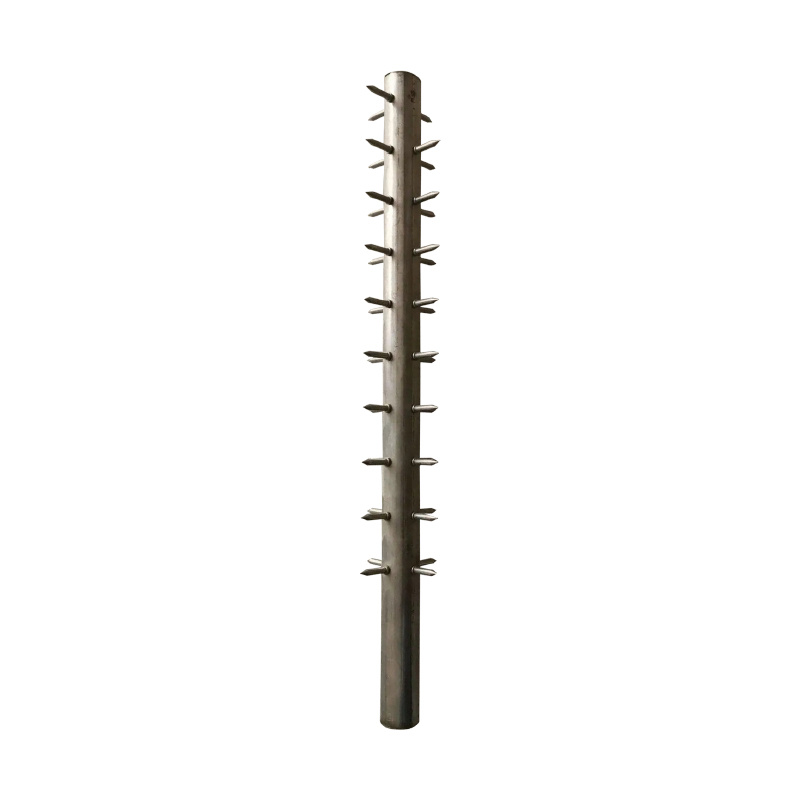
ESP discharge electrodes are designed to ionize the particles in the gas stream. When the gas passes through the electrostatic field created by the electrodes, the particulate matter becomes charged. This ionization process is critical, as it allows the now-charged particles to be attracted to the collection plates, where they can be removed from the airflow. The efficiency of this process is largely dependent on the design of the discharge electrodes, their configuration, and the voltage applied across them.
The discharge electrodes are typically made from materials that can withstand high temperatures and corrosive environments, as they are often placed in challenging conditions. Regular inspection and maintenance of these electrodes are essential to ensure optimal performance. Over time, factors such as particle buildup, corrosion, and mechanical wear can degrade the efficiency of the discharge electrodes. Routine maintenance can include cleaning the electrodes to remove accumulated dust and debris, as well as checking for signs of wear or damage that could compromise their effectiveness.
One of the challenges in maintaining ESP discharge electrodes is ensuring that they remain properly grounded. If the grounding is insufficient, the ionization process may be disrupted, leading to reduced efficiency in particle removal. Furthermore, ensuring that the voltage levels are properly calibrated is crucial. Too low a voltage might fail to ionize particles effectively, while too high a voltage could lead to arcing, which can damage the electrodes and reduce their lifespan.
The role of ESP discharge electrodes extends beyond just particle removal; they significantly contribute to overall air quality improvements. By effectively controlling emissions, industries can achieve compliance with environmental regulations, thereby reducing their environmental footprint and promoting cleaner air for surrounding communities.
In conclusion, ESP discharge electrodes are a fundamental component of electrostatic precipitators in industrial air purification systems. Their design, maintenance, and proper functioning are critical to ensuring high efficiency in particulate matter removal. By understanding the importance of these electrodes, industries can enhance their air pollution control strategies, leading to better environmental compliance and improved air quality. Regular maintenance and monitoring of discharge electrodes will not only contribute to operational efficiency but also support sustainable practices in industrial settings.
ESP discharge electrodes are designed to ionize the particles in the gas stream. When the gas passes through the electrostatic field created by the electrodes, the particulate matter becomes charged. This ionization process is critical, as it allows the now-charged particles to be attracted to the collection plates, where they can be removed from the airflow. The efficiency of this process is largely dependent on the design of the discharge electrodes, their configuration, and the voltage applied across them.
The discharge electrodes are typically made from materials that can withstand high temperatures and corrosive environments, as they are often placed in challenging conditions. Regular inspection and maintenance of these electrodes are essential to ensure optimal performance. Over time, factors such as particle buildup, corrosion, and mechanical wear can degrade the efficiency of the discharge electrodes. Routine maintenance can include cleaning the electrodes to remove accumulated dust and debris, as well as checking for signs of wear or damage that could compromise their effectiveness.
One of the challenges in maintaining ESP discharge electrodes is ensuring that they remain properly grounded. If the grounding is insufficient, the ionization process may be disrupted, leading to reduced efficiency in particle removal. Furthermore, ensuring that the voltage levels are properly calibrated is crucial. Too low a voltage might fail to ionize particles effectively, while too high a voltage could lead to arcing, which can damage the electrodes and reduce their lifespan.
The role of ESP discharge electrodes extends beyond just particle removal; they significantly contribute to overall air quality improvements. By effectively controlling emissions, industries can achieve compliance with environmental regulations, thereby reducing their environmental footprint and promoting cleaner air for surrounding communities.
In conclusion, ESP discharge electrodes are a fundamental component of electrostatic precipitators in industrial air purification systems. Their design, maintenance, and proper functioning are critical to ensuring high efficiency in particulate matter removal. By understanding the importance of these electrodes, industries can enhance their air pollution control strategies, leading to better environmental compliance and improved air quality. Regular maintenance and monitoring of discharge electrodes will not only contribute to operational efficiency but also support sustainable practices in industrial settings.
Hot Tags:


Contact Us
Tel:
WeChat:
WhatsApp:
E-mail:
Address:
338 National Road South, Longfengdian Village, Botou City, Hebei Province, China
JiuznTomine is expertly delivering technically complicated projects in markets & provides custom solutions for their customized need.


CONTACT INFO
Tel: +86 18531710311
WeChat: +86-18531710311
338 National Road South, Longfengdian Village, Botou City, Hebei Province, China