











Optimizing Air Filtration with Advanced ESP Collecting Plates: A Comprehensive Guide
Jan 12,2026
Optimizing Air Filtration with Advanced ESP Collecting Plates
Table of Contents
1. Introduction to Air Filtration Systems
2. Understanding Electrostatic Precipitators (ESPs)
3. The Role of Advanced ESP Collecting Plates
3.1 Benefits of Using Advanced ESP Collecting Plates
3.2 Comparisons with Traditional Filtration Methods
4. Key Features of Advanced ESP Collecting Plates
4.1 Material Composition
Optimizing Air Filtration with Advanced ESP Collecting Plates
Table of Contents
1. Introduction to Air Filtration Systems
2. Understanding Electrostatic Precipitators (ESPs)
3. The Role of Advanced ESP Collecting Plates
3.1 Benefits of Using Advanced ESP Collecting Plates
3.2 Comparisons with Traditional Filtration Methods
4. Key Features of Advanced ESP Collecting Plates
4.1 Material Composition and Design Innovations
4.2 Efficiency Ratings and Performance Metrics
5. Installation Process for ESP Collecting Plates
5.1 Preparation and Safety Considerations
5.2 Step-by-Step Installation Guide
6. Maintenance and Care for ESP Collecting Plates
6.1 Routine Maintenance Tasks
6.2 Troubleshooting Common Issues
7. Future Trends in Air Filtration Technology
8. Frequently Asked Questions (FAQs)
9. Conclusion
1. Introduction to Air Filtration Systems
Air quality is a critical concern in various environments, from industrial facilities to urban living spaces. As awareness of the impact of air pollution grows, the demand for effective air filtration systems has surged. These systems play an essential role in removing pollutants, allergens, and harmful particles from the air we breathe, thereby improving overall health and safety.
2. Understanding Electrostatic Precipitators (ESPs)
Electrostatic precipitators are advanced filtration devices designed to remove particles from gas streams. Utilizing electrostatic charges to attract and capture dust, smoke, and other particulates, ESPs are particularly effective in industrial settings where high volumes of airborne contaminants are present. By optimizing the collection efficiency of ESPs, industries can achieve cleaner exhausts and comply with environmental regulations.
3. The Role of Advanced ESP Collecting Plates
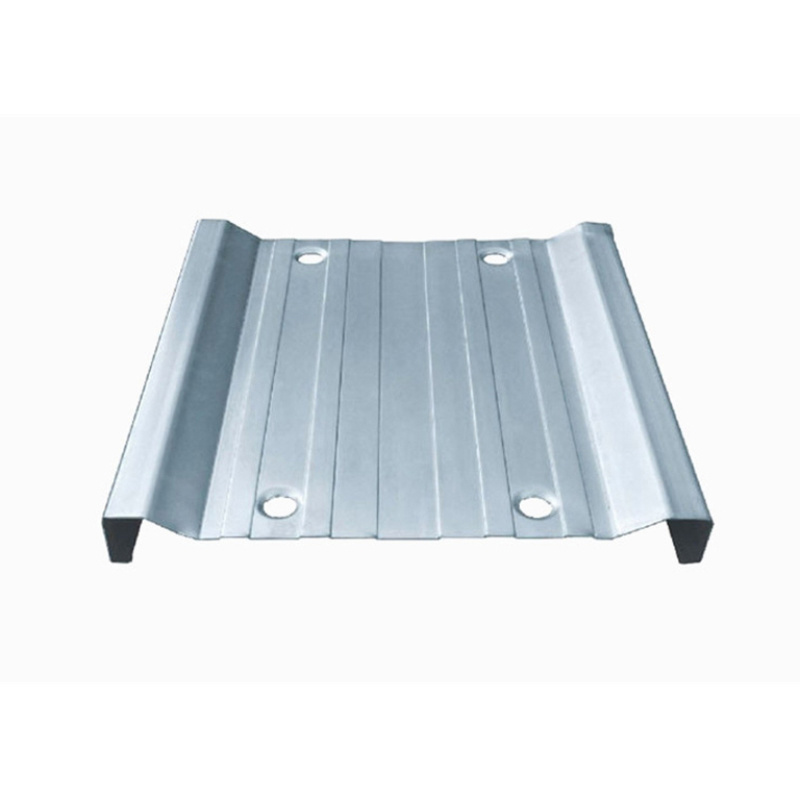
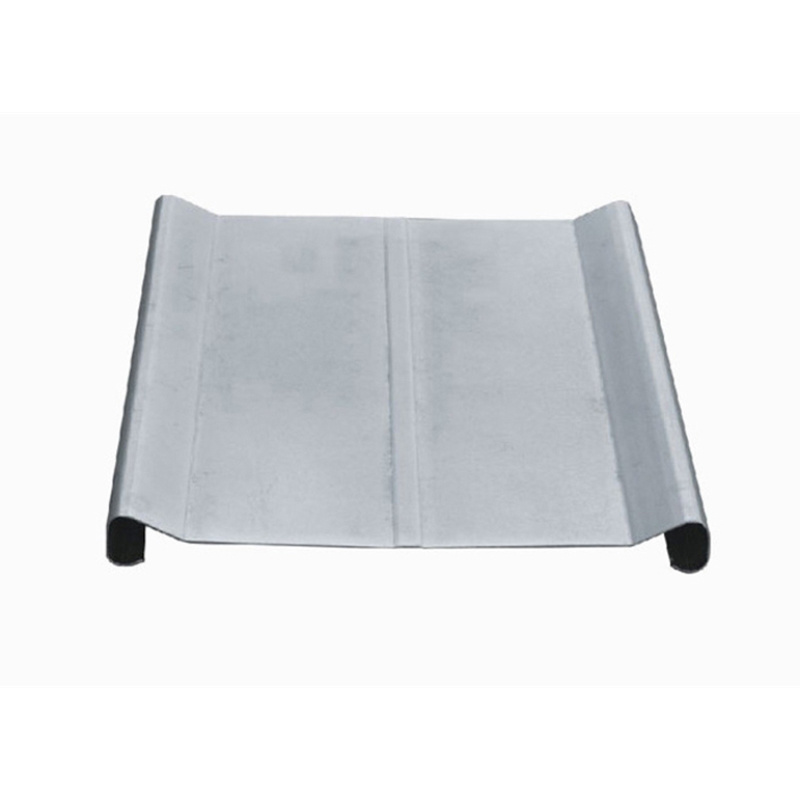
Advanced ESP collecting plates are crucial components that enhance the performance of electrostatic precipitators. These plates are engineered to maximize particle capture while minimizing resistance to airflow, leading to improved efficiency and lower energy consumption.
3.1 Benefits of Using Advanced ESP Collecting Plates
The advantages of incorporating advanced ESP collecting plates into air filtration systems include:
- **Enhanced Efficiency**: These plates are designed to capture smaller particles that traditional filters might miss, significantly improving overall filtration efficiency.
- **Reduced Maintenance Costs**: By improving collection efficiency, the frequency of maintenance and the need for replacement parts can be reduced.
- **Lower Energy Consumption**: Advanced designs minimize airflow resistance, which in turn reduces the energy required to operate the ventilation system.
3.2 Comparisons with Traditional Filtration Methods
While traditional filtration methods, such as HEPA filters, are effective, they can often lead to higher operating costs and more frequent replacements. Advanced ESP collecting plates not only offer a longer lifespan but also provide superior performance in terms of particulate matter collection, making them more cost-effective in the long run.
4. Key Features of Advanced ESP Collecting Plates
The design and material composition of advanced ESP collecting plates are fundamental to their performance. Understanding these features can help users make informed decisions when selecting air filtration systems.
4.1 Material Composition and Design Innovations
Modern ESP collecting plates are often made from high-quality materials that can withstand harsh conditions. Innovations in design, such as corrugated surfaces and optimized geometries, increase the surface area available for particle capture, enhancing their effectiveness.
4.2 Efficiency Ratings and Performance Metrics
When evaluating advanced ESP collecting plates, it is essential to consider their efficiency ratings. Metrics such as particle size capture efficiency, pressure drop, and overall collection efficiency should guide the selection of the most suitable plates for specific applications.
5. Installation Process for ESP Collecting Plates
Proper installation is crucial for maximizing the performance of ESP collecting plates. Following a systematic installation process ensures that the plates function effectively.
5.1 Preparation and Safety Considerations
Before installation, it’s imperative to conduct a thorough assessment of the existing air filtration system. Safety measures, including the use of personal protective equipment (PPE) and adhering to regulatory guidelines, should be prioritized.
5.2 Step-by-Step Installation Guide
1. **Turn Off Power**: Ensure that the ESP system is powered down to prevent any accidents during installation.
2. **Remove Old Plates**: Carefully detach existing collecting plates, taking note of their orientation and configuration for reference.
3. **Inspect and Clean**: Evaluate the internal components of the ESP for any signs of wear or damage. Clean the area to ensure optimal performance.
4. **Install New Collecting Plates**: Position the advanced ESP collecting plates according to the manufacturer's specifications. Ensure they are securely fastened.
5. **Reconnect Power and Test**: Once installed, restore power to the system and conduct performance tests to confirm proper functionality.
6. Maintenance and Care for ESP Collecting Plates
Regular maintenance of ESP collecting plates is vital for sustaining their performance and longevity.
6.1 Routine Maintenance Tasks
- **Periodic Cleaning**: Depending on the application, plates should be cleaned or replaced periodically to prevent buildup of contaminants.
- **Visual Inspections**: Conduct regular checks for any signs of damage or wear to the plates and the surrounding components.
6.2 Troubleshooting Common Issues
Common issues such as reduced efficiency or increased energy consumption may indicate problems with the collecting plates. Troubleshooting should include checking for proper alignment, ensuring there are no obstructions, and verifying that the electrostatic fields are functioning correctly.
7. Future Trends in Air Filtration Technology
The landscape of air filtration technology is evolving rapidly, with advancements in materials and design leading to more effective solutions. The integration of smart technology, enabling real-time monitoring and data analysis, is set to transform how industries manage air quality.
8. Frequently Asked Questions (FAQs)
What are ESP collecting plates made of?
ESP collecting plates are typically constructed from durable materials such as stainless steel or high-performance plastics that can withstand high temperatures and corrosive environments.
How often should ESP collecting plates be replaced?
The replacement frequency depends on various factors, including the operating environment and the type of pollutants being filtered. Regular cleaning and maintenance can extend their lifespan significantly.
Can advanced ESP collecting plates be retrofitted into existing systems?
Yes, advanced ESP collecting plates are often designed to be compatible with existing electrostatic precipitators, providing an upgrade path for improved performance.
What maintenance is required for ESP systems?
Regular maintenance includes cleaning the plates, inspecting for wear, and ensuring that the electrostatic fields are functioning properly.
How do advanced ESP collecting plates improve energy efficiency?
By minimizing airflow resistance and maximizing particle capture, advanced ESP collecting plates reduce the overall energy consumption of the filtration system.
9. Conclusion
Optimizing air filtration systems through the use of advanced ESP collecting plates presents significant benefits for both operational efficiency and environmental compliance. By understanding the technology behind these components, and implementing best practices for installation and maintenance, industries can enhance air quality while reducing costs. With future innovations on the horizon, the potential for even greater advancements in air purification technology is promising. Investing in high-quality ESP collecting plates is not just a step towards cleaner air; it’s a commitment to a healthier, more sustainable future.
Hot Tags:
PREVIOUS:


Contact Us
Tel:
WeChat:
WhatsApp:
E-mail:
Address:
338 National Road South, Longfengdian Village, Botou City, Hebei Province, China
JiuznTomine is expertly delivering technically complicated projects in markets & provides custom solutions for their customized need.


CONTACT INFO
Tel: +86 18531710311
WeChat: +86-18531710311
338 National Road South, Longfengdian Village, Botou City, Hebei Province, China