











Maximizing Workplace Safety with Welding Fume Dust Collectors
Dec 29,2025
Welding operations are known for producing hazardous fumes and particulates that can adversely affect both worker health and the overall air quality in industrial settings. A welding fume dust collector plays a crucial role in mitigating these risks by capturing and filtering harmful substances generated during the welding process. These systems are designed to improve air quality and maintain com
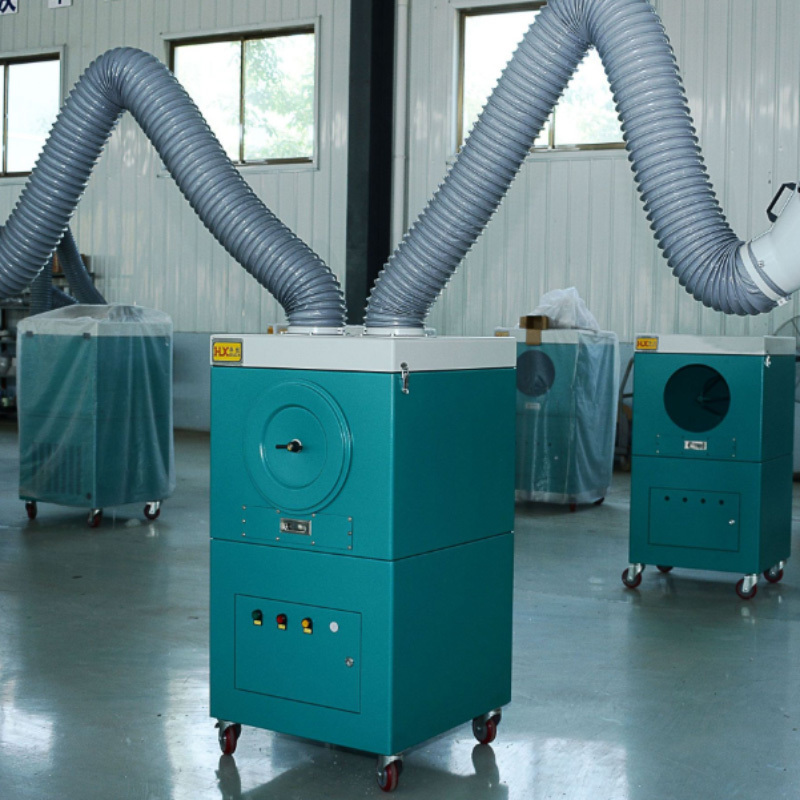
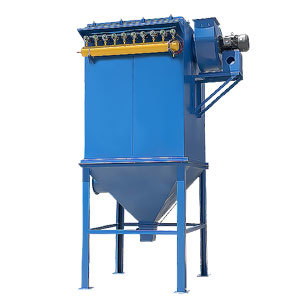
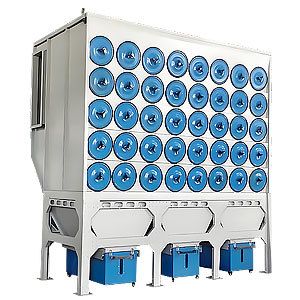
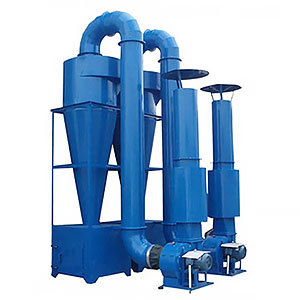
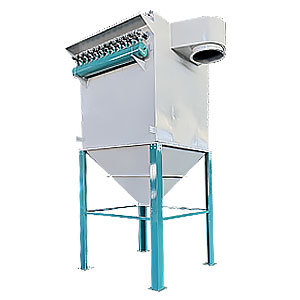
Welding operations are known for producing hazardous fumes and particulates that can adversely affect both worker health and the overall air quality in industrial settings. A welding fume dust collector plays a crucial role in mitigating these risks by capturing and filtering harmful substances generated during the welding process. These systems are designed to improve air quality and maintain compliance with occupational safety standards.
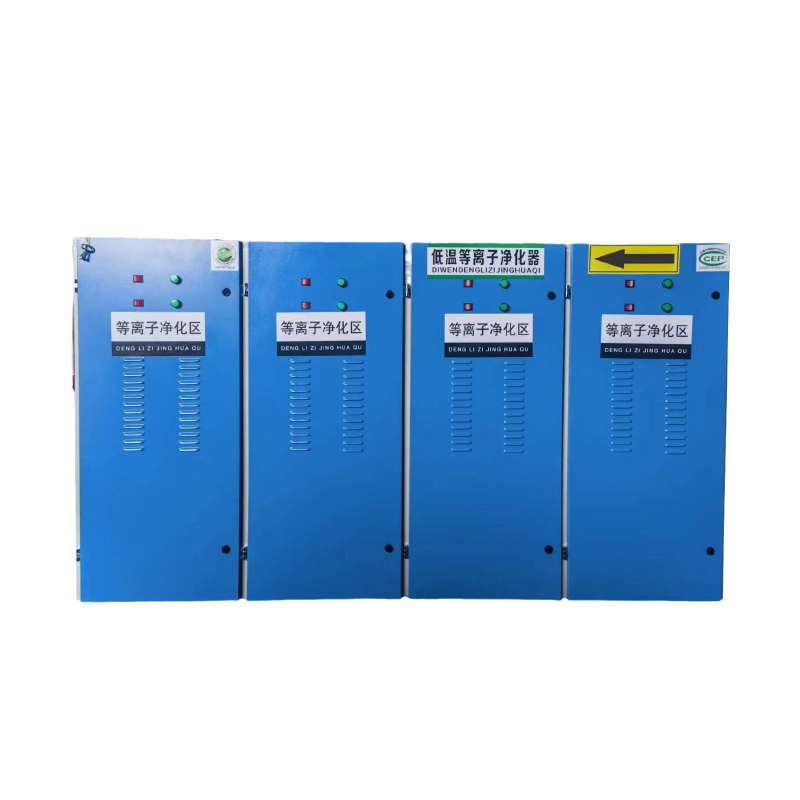
One of the primary functions of a welding fume dust collector is to draw in contaminated air through a series of filters that remove particulates and toxic fumes. The collected dust is typically stored in a receptacle for safe disposal, ensuring that the workplace atmosphere remains clean and breathable. Modern dust collectors utilize a combination of mechanical and electrostatic filtration methods, allowing for highly efficient performance in capturing fine particulates.
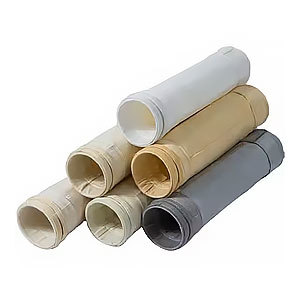
When evaluating a welding fume dust collector, several technical aspects should be considered. The collector's airflow capacity, measured in cubic feet per minute (CFM), is a critical factor that determines its efficiency in handling the volume of air generated by welding activities. Additionally, the type of filters used—whether HEPA, cartridge, or bag filters—impacts the system's effectiveness in trapping different sizes of particulate matter.
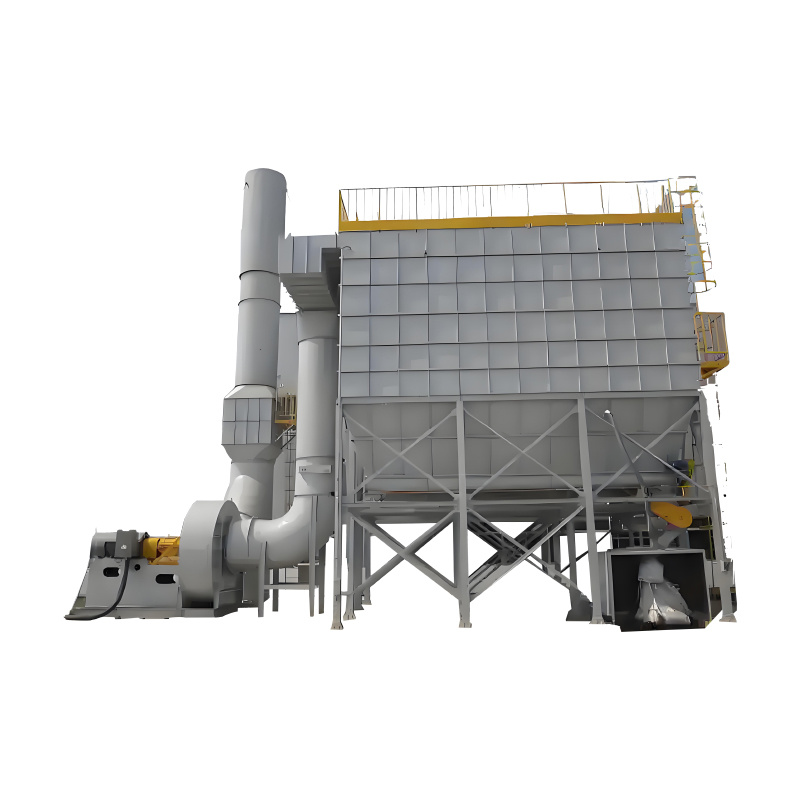
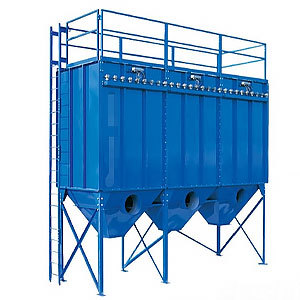
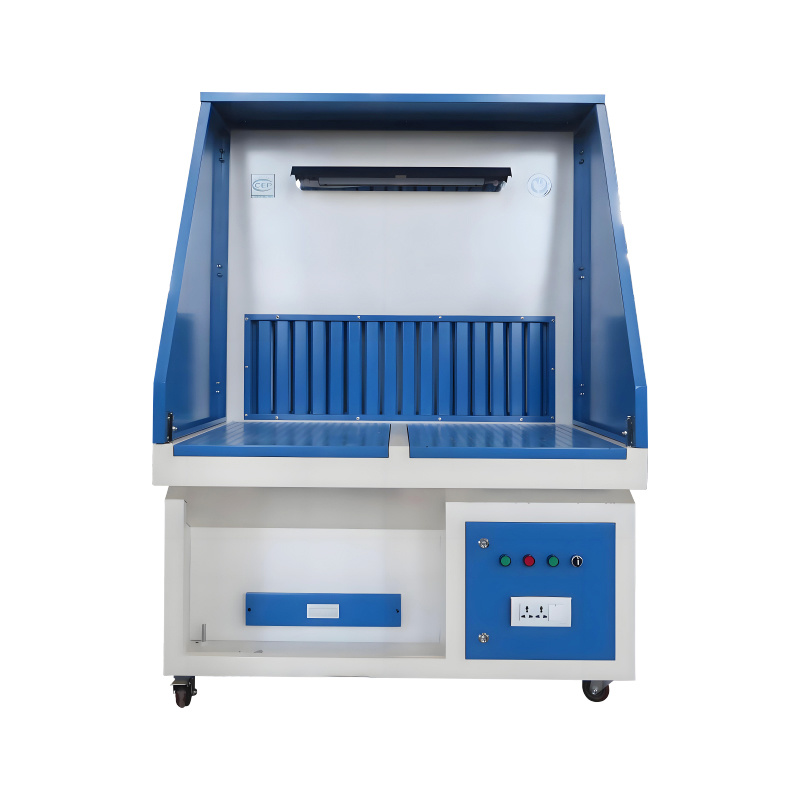
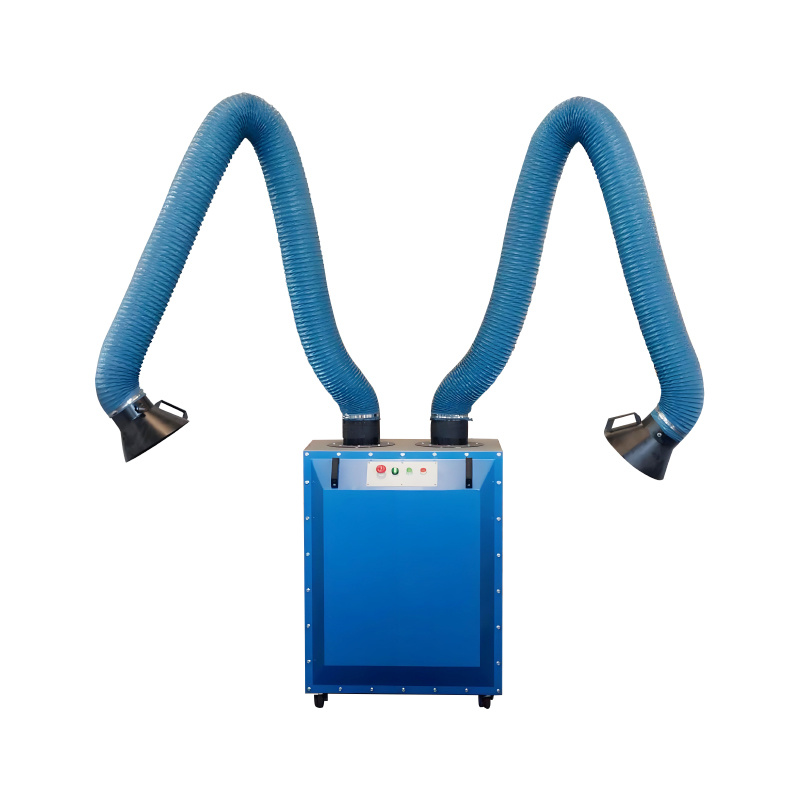
Another important consideration is the collector's design and configuration. Portable units may be suitable for smaller workshops or mobile operations, while central dust collection systems are more appropriate for larger facilities with multiple welding stations. Furthermore, the ease of maintenance should not be overlooked; a system that allows for straightforward filter replacement and cleaning can significantly reduce downtime and operational costs.
In terms of health and safety, implementing a welding fume dust collector is not just a regulatory requirement but also a proactive measure to protect workers. Long-term exposure to welding fumes can lead to serious respiratory conditions, including lung cancer and chronic obstructive pulmonary disease (COPD). By investing in an effective dust collection system, employers can demonstrate their commitment to safeguarding employee health and enhancing overall workplace safety.
In summary, a welding fume dust collector is an essential component of industrial air purification systems. By understanding its function, evaluating technical specifications, and recognizing the health implications of welding fumes, organizations can better protect their workforce while ensuring a compliant and safe working environment. Proper implementation and maintenance of these systems are key to maximizing their effectiveness in controlling hazardous emissions.
One of the primary functions of a welding fume dust collector is to draw in contaminated air through a series of filters that remove particulates and toxic fumes. The collected dust is typically stored in a receptacle for safe disposal, ensuring that the workplace atmosphere remains clean and breathable. Modern dust collectors utilize a combination of mechanical and electrostatic filtration methods, allowing for highly efficient performance in capturing fine particulates.
When evaluating a welding fume dust collector, several technical aspects should be considered. The collector's airflow capacity, measured in cubic feet per minute (CFM), is a critical factor that determines its efficiency in handling the volume of air generated by welding activities. Additionally, the type of filters used—whether HEPA, cartridge, or bag filters—impacts the system's effectiveness in trapping different sizes of particulate matter.
Another important consideration is the collector's design and configuration. Portable units may be suitable for smaller workshops or mobile operations, while central dust collection systems are more appropriate for larger facilities with multiple welding stations. Furthermore, the ease of maintenance should not be overlooked; a system that allows for straightforward filter replacement and cleaning can significantly reduce downtime and operational costs.
In terms of health and safety, implementing a welding fume dust collector is not just a regulatory requirement but also a proactive measure to protect workers. Long-term exposure to welding fumes can lead to serious respiratory conditions, including lung cancer and chronic obstructive pulmonary disease (COPD). By investing in an effective dust collection system, employers can demonstrate their commitment to safeguarding employee health and enhancing overall workplace safety.
In summary, a welding fume dust collector is an essential component of industrial air purification systems. By understanding its function, evaluating technical specifications, and recognizing the health implications of welding fumes, organizations can better protect their workforce while ensuring a compliant and safe working environment. Proper implementation and maintenance of these systems are key to maximizing their effectiveness in controlling hazardous emissions.
Hot Tags:
PREVIOUS:


Contact Us
Tel:
WeChat:
WhatsApp:
E-mail:
Address:
338 National Road South, Longfengdian Village, Botou City, Hebei Province, China
JiuznTomine is expertly delivering technically complicated projects in markets & provides custom solutions for their customized need.


CONTACT INFO
Tel: +86 18531710311
WeChat: +86-18531710311
338 National Road South, Longfengdian Village, Botou City, Hebei Province, China