












Case Studies: Successful Implementation of Galvanized Dust Removal Skeletons in Industrial Settings
Dec 25,2025
Case Studies: Successful Implementation of Galvanized Dust Removal Skeletons in Industrial Settings
Dust removal is a critical component in maintaining a safe and efficient industrial environment. The implementation of galvanized dust removal skeletons has revolutionized how industries manage airborne particulates, leading to cleaner air and healthier workplaces. This article explores successful c

Case Studies: Successful Implementation of Galvanized Dust Removal Skeletons in Industrial Settings
Dust removal is a critical component in maintaining a safe and efficient industrial environment. The implementation of galvanized dust removal skeletons has revolutionized how industries manage airborne particulates, leading to cleaner air and healthier workplaces. This article explores successful case studies that highlight the effectiveness and benefits of galvanized dust removal skeletons across various sectors.
The Importance of Dust Control in Industrial Settings
Effective dust control is paramount not only for regulatory compliance but also for employee health and operational efficiency. Companies face numerous challenges, including:
- **Health Risks:** Prolonged exposure to dust can lead to respiratory issues and other serious health problems for employees.
- **Operational Efficiency:** Excessive dust can interfere with machinery and production processes, leading to increased maintenance costs and downtime.
- **Regulatory Compliance:** Industries must meet strict environmental regulations regarding air quality and emissions.
Implementing galvanized dust removal skeletons addresses these challenges effectively.
Understanding Galvanized Dust Removal Skeletons
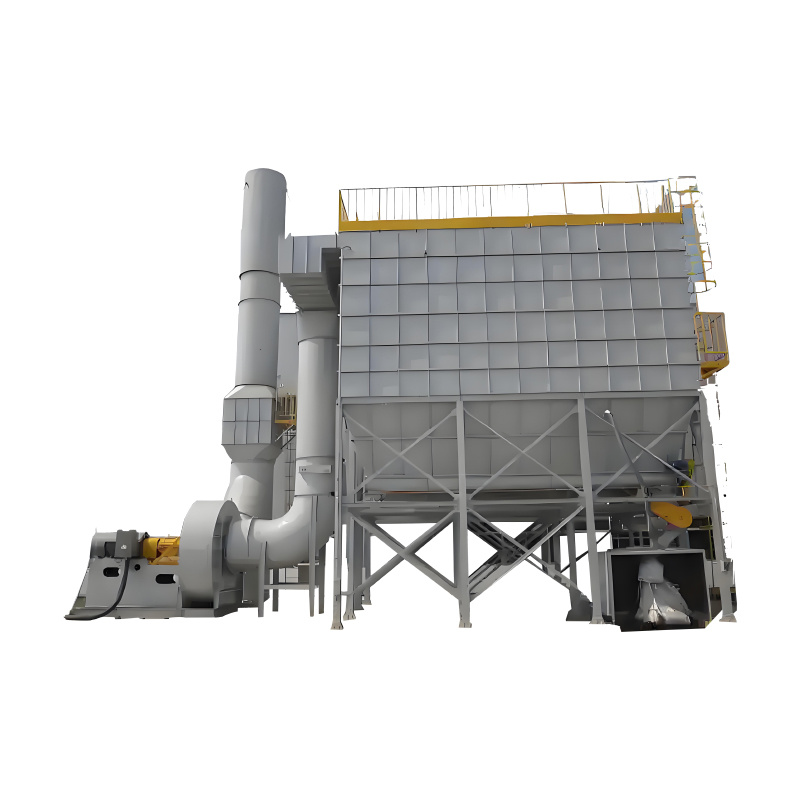
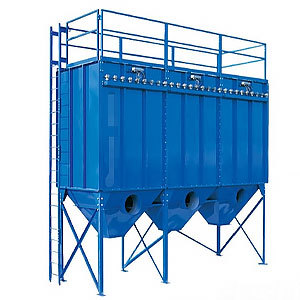
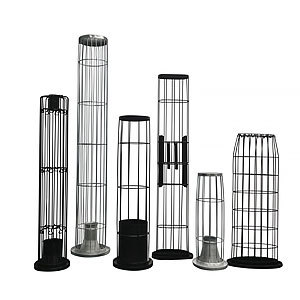
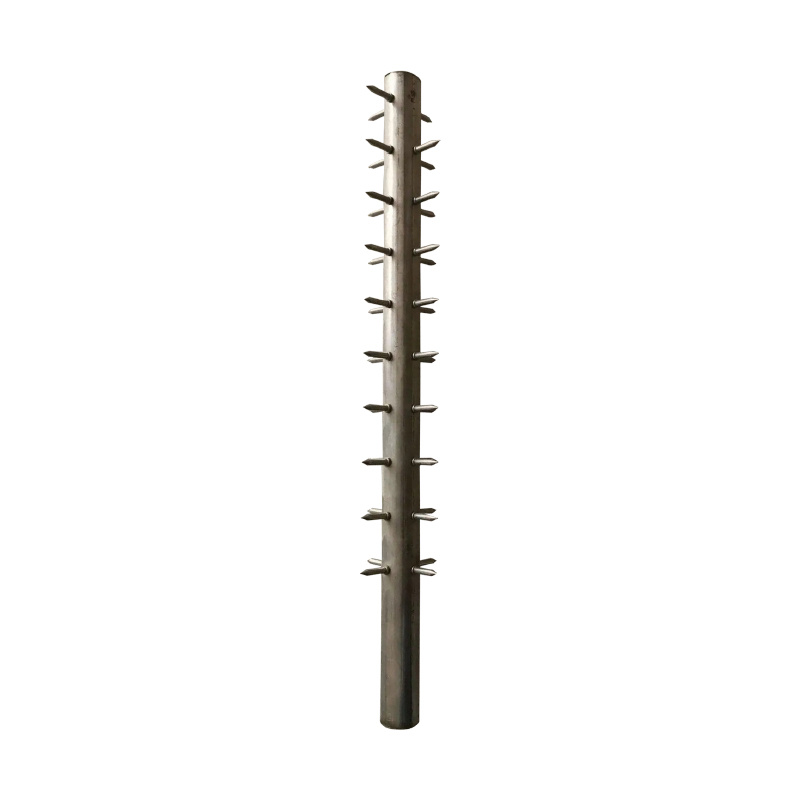
Galvanized dust removal skeletons are structures designed to support dust collection systems. Their galvanized coating provides excellent corrosion resistance, making them ideal for demanding industrial environments. These systems typically include:
- **Support Structures:** Frameworks that hold dust collection bags or filters in place.
- **Collection Mechanisms:** Equipment designed to capture and contain dust particles efficiently.
- **Integration with Ventilation Systems:** Ensures a seamless operation with existing air handling systems.
Benefits of Galvanized Dust Removal Skeletons
The adoption of galvanized dust removal skeletons provides a range of benefits:
1. **Durability:** The galvanized coating protects against rust and corrosion, ensuring a longer lifespan.
2. **Cost-Effectiveness:** Reducing maintenance and replacement costs associated with inferior materials.
3. **Improved Air Quality:** Enhancing air quality leads to a healthier workplace and lower healthcare costs.
4. **Regulatory Compliance:** Facilitating adherence to environmental standards.
Case Study 1: Manufacturing Plant in the Automotive Industry
In a large automotive manufacturing facility, the company faced significant dust accumulation from various processes, including sanding and painting. They implemented galvanized dust removal skeletons, leading to remarkable improvements.
Challenges Faced
- **High Dust Levels:** The existing dust control measures were insufficient, leading to complaints from employees about air quality.
- **Production Delays:** Frequent machine breakdowns due to dust buildup resulted in costly production delays.
Implementation Strategy
The company decided to install galvanized dust removal skeletons strategically placed throughout the facility. Key steps included:
- **Site Assessment:** Conducting a thorough evaluation of dust generation sources.
- **Customized Solutions:** Designing skeletons tailored to the specific needs of different production areas.
- **Training for Employees:** Ensuring that staff understood the new systems and their roles in maintaining cleanliness.
Results Achieved
After the implementation, the company experienced:
- A **30% reduction** in airborne dust levels.
- A significant decrease in equipment maintenance costs, leading to improved operational efficiency.
- Enhanced employee satisfaction and overall workplace safety.
Case Study 2: Food Processing Facility
A food processing facility faced challenges related to dust control, especially during the milling process. The company sought a solution that would not compromise food safety while effectively managing dust.
Challenges Faced
- **Safety Standards:** The facility needed solutions that met strict food safety regulations.
- **Operational Disruption:** Dust accumulation was disrupting operations, leading to inefficiencies.
Implementation Strategy
The facility implemented galvanized dust removal skeletons equipped with specialized filters designed for food-grade environments. Steps included:
- **Collaboration with Experts:** Engaging with dust control specialists to design compliant systems.
- **Regular Maintenance Schedule:** Establishing a proactive maintenance plan for the dust removal systems.
Results Achieved
The outcome included:
- A **50% decrease** in dust-related incidents.
- Enhanced compliance with food safety regulations.
- Improved production efficiency, which led to an increase in output.
Case Study 3: Construction Industry
In the construction industry, dust control is critical due to the hazardous materials often present. A construction company decided to implement galvanized dust removal skeletons at a major project site.
Challenges Faced
- **Health Concerns:** Workers were at risk of exposure to silica dust, posing health hazards.
- **Site Safety Compliance:** The construction site needed to adhere to OSHA regulations regarding air quality.
Implementation Strategy
The construction company installed galvanized dust removal skeletons at key dust-generation points on-site. Key strategies included:
- **On-site Training:** Providing workers with training on using dust control equipment effectively.
- **Regular Monitoring:** Implementing air quality monitoring systems to evaluate effectiveness.
Results Achieved
The implementation resulted in:
- A **40% reduction** in silica dust exposure.
- Improved safety scores, enhancing the company's reputation in the industry.
- Increased productivity as a result of fewer health-related absences.
Case Study 4: Chemical Processing Facility
A chemical processing facility required a robust dust control solution to deal with hazardous materials. The introduction of galvanized dust removal skeletons was crucial.
Challenges Faced
- **Hazardous Dust Levels:** The presence of toxic dust required strict control measures.
- **Regulatory Compliance:** Compliance with environmental regulations was necessary to avoid penalties.
Implementation Strategy
The facility's dust control strategy included:
- **Installation of Specialized Skeletons:** Designed to handle the specific types of dust produced in chemical processes.
- **Integration with Safety Protocols:** Ensuring that dust removal systems aligned with existing safety measures.
Results Achieved
The results were significant:
- A **60% reduction** in toxic dust levels.
- Enhanced compliance with environmental regulations, reducing the risk of fines.
- Improved employee confidence in safety protocols.
Best Practices for Implementing Galvanized Dust Removal Skeletons
To ensure successful implementation of galvanized dust removal skeletons, companies should consider the following best practices:
Conduct a Thorough Assessment
Evaluate all areas of dust generation and determine the best locations for installation.
Engage with Experts
Consult with dust control specialists to design a system tailored to your specific needs and compliance requirements.
Provide Training and Resources
Ensure that employees are well-trained in the operation and maintenance of dust removal systems.
Monitor and Adjust
Regularly assess system performance and make adjustments as needed to maintain efficiency and compliance.
FAQs about Galvanized Dust Removal Skeletons
1. What are galvanized dust removal skeletons?
Galvanized dust removal skeletons are structural frameworks designed to support dust collection systems, providing effective dust management in industrial settings.
2. Why is it essential to control dust in industrial environments?
Controlling dust is crucial for maintaining employee health, ensuring operational efficiency, and complying with environmental regulations.
3. How do galvanized dust removal skeletons differ from traditional dust control systems?
Galvanized dust removal skeletons offer enhanced durability, resistance to corrosion, and integration capabilities, making them superior for long-term use in harsh environments.
4. What industries benefit the most from using galvanized dust removal skeletons?
Industries such as manufacturing, food processing, construction, and chemical processing can significantly benefit from implementing galvanized dust removal skeletons.
5. How often should dust removal systems be maintained?
Regular maintenance is recommended, typically on a quarterly basis, or more frequently depending on the level of dust generation and operational demands.
Conclusion
The successful implementation of galvanized dust removal skeletons demonstrates their vital role in enhancing workplace safety, compliance, and operational efficiency across various industries. The case studies outlined in this article provide valuable insights into the transformative impact of these systems on dust control strategies. By adopting best practices and investing in durable, effective solutions, businesses can ensure a cleaner, safer working environment for their employees while achieving regulatory compliance and operational excellence.
Hot Tags:


Contact Us
Tel:
WeChat:
WhatsApp:
E-mail:
Address:
338 National Road South, Longfengdian Village, Botou City, Hebei Province, China
JiuznTomine is expertly delivering technically complicated projects in markets & provides custom solutions for their customized need.


CONTACT INFO
Tel: +86 18531710311
WeChat: +86-18531710311
338 National Road South, Longfengdian Village, Botou City, Hebei Province, China