











Understanding ESP Discharge Electrodes: Key Components in Industrial Air Purification Systems
Dec 23,2025
Electrostatic Precipitators (ESPs) are vital components in industrial air purification systems, designed to remove particulate matter from exhaust gases. A critical part of this technology is the ESP discharge electrode, which plays a pivotal role in the efficient operation of these systems. Understanding the function, maintenance, and operational parameters of ESP discharge electrodes is essentia

Electrostatic Precipitators (ESPs) are vital components in industrial air purification systems, designed to remove particulate matter from exhaust gases. A critical part of this technology is the ESP discharge electrode, which plays a pivotal role in the efficient operation of these systems. Understanding the function, maintenance, and operational parameters of ESP discharge electrodes is essential for professionals working with air pollution control equipment.
ESP discharge electrodes are responsible for generating an electric field that ionizes particles in the airstream. When the air, laden with dust and other pollutants, passes through the electrostatic field created by the discharge electrodes, the particulate matter becomes charged. This charging process enables the particles to be attracted to the collection plates within the ESP unit, where they can be removed from the airstream. This mechanism is crucial for maintaining compliance with environmental regulations and improving air quality in industrial settings.
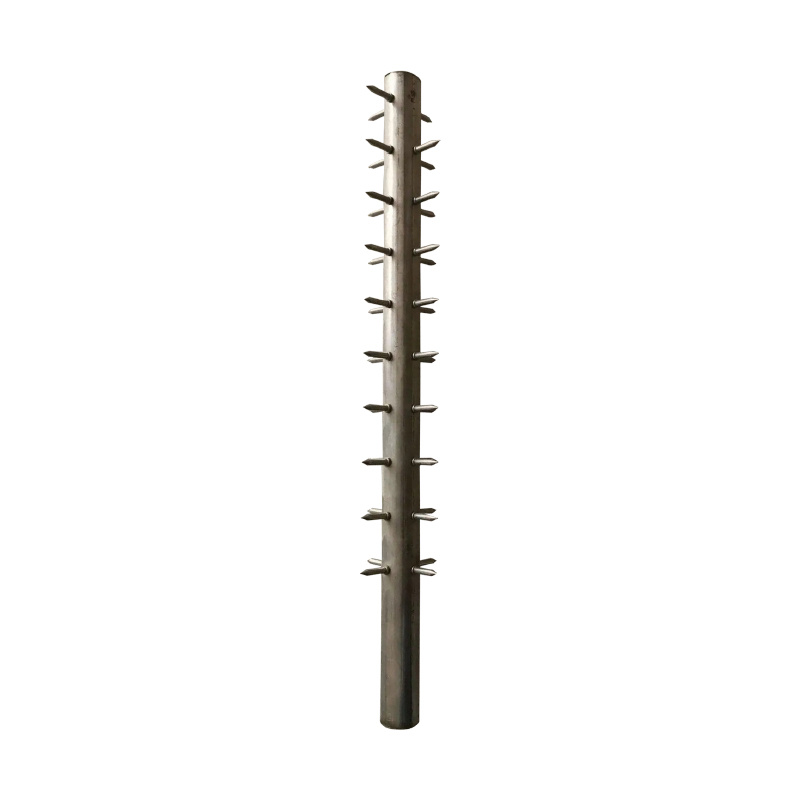
The design of ESP discharge electrodes varies depending on the specific application and the type of particulate matter being targeted. Typically made from conductive materials, these electrodes must withstand high temperatures and corrosive environments. Their geometry is also carefully engineered to optimize the electric field distribution, ensuring efficient particle charging and subsequent collection.
Maintaining ESP discharge electrodes is essential for ensuring the longevity and efficiency of the electrostatic precipitator. Regular inspection is necessary to identify wear and tear, corrosion, or deposits that may impede performance. Cleaning procedures should be implemented to remove any accumulated dust or contaminants on the electrodes, as these can reduce their effectiveness. Additionally, monitoring the electrical performance of these components can help detect potential issues before they lead to system failures.
Understanding the operational parameters of ESP discharge electrodes, such as voltage and current levels, is crucial for optimizing performance. Operators should be familiar with the manufacturer's specifications and adjust the system settings accordingly to achieve the best results. Regular maintenance and monitoring not only enhance the efficiency of the air purification system but also contribute to energy savings and improved operational reliability.
In summary, the ESP discharge electrode is a fundamental component in the functioning of electrostatic precipitators, crucial for removing airborne pollutants in industrial applications. By ensuring proper maintenance, monitoring operational parameters, and understanding the design specifics, professionals can enhance the efficiency and lifespan of these essential air purification devices. As industries continue to prioritize environmental compliance and air quality improvement, a deeper understanding of ESP discharge electrodes will be invaluable.
ESP discharge electrodes are responsible for generating an electric field that ionizes particles in the airstream. When the air, laden with dust and other pollutants, passes through the electrostatic field created by the discharge electrodes, the particulate matter becomes charged. This charging process enables the particles to be attracted to the collection plates within the ESP unit, where they can be removed from the airstream. This mechanism is crucial for maintaining compliance with environmental regulations and improving air quality in industrial settings.
The design of ESP discharge electrodes varies depending on the specific application and the type of particulate matter being targeted. Typically made from conductive materials, these electrodes must withstand high temperatures and corrosive environments. Their geometry is also carefully engineered to optimize the electric field distribution, ensuring efficient particle charging and subsequent collection.
Maintaining ESP discharge electrodes is essential for ensuring the longevity and efficiency of the electrostatic precipitator. Regular inspection is necessary to identify wear and tear, corrosion, or deposits that may impede performance. Cleaning procedures should be implemented to remove any accumulated dust or contaminants on the electrodes, as these can reduce their effectiveness. Additionally, monitoring the electrical performance of these components can help detect potential issues before they lead to system failures.
Understanding the operational parameters of ESP discharge electrodes, such as voltage and current levels, is crucial for optimizing performance. Operators should be familiar with the manufacturer's specifications and adjust the system settings accordingly to achieve the best results. Regular maintenance and monitoring not only enhance the efficiency of the air purification system but also contribute to energy savings and improved operational reliability.
In summary, the ESP discharge electrode is a fundamental component in the functioning of electrostatic precipitators, crucial for removing airborne pollutants in industrial applications. By ensuring proper maintenance, monitoring operational parameters, and understanding the design specifics, professionals can enhance the efficiency and lifespan of these essential air purification devices. As industries continue to prioritize environmental compliance and air quality improvement, a deeper understanding of ESP discharge electrodes will be invaluable.
Hot Tags:
PREVIOUS:


Contact Us
Tel:
WeChat:
WhatsApp:
E-mail:
Address:
338 National Road South, Longfengdian Village, Botou City, Hebei Province, China
JiuznTomine is expertly delivering technically complicated projects in markets & provides custom solutions for their customized need.


CONTACT INFO
Tel: +86 18531710311
WeChat: +86-18531710311
338 National Road South, Longfengdian Village, Botou City, Hebei Province, China