


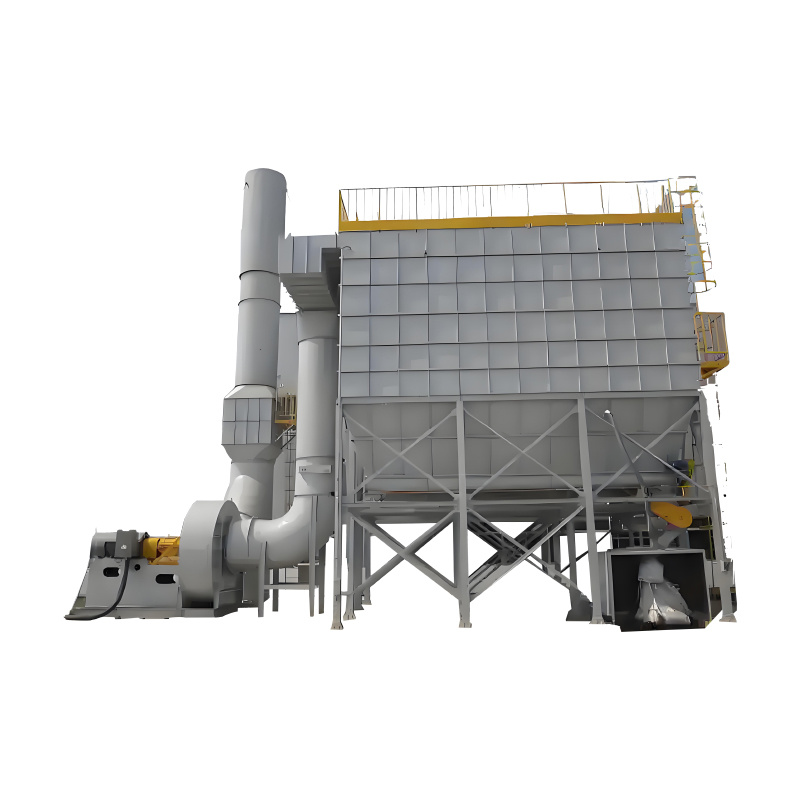
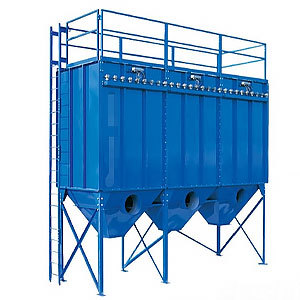
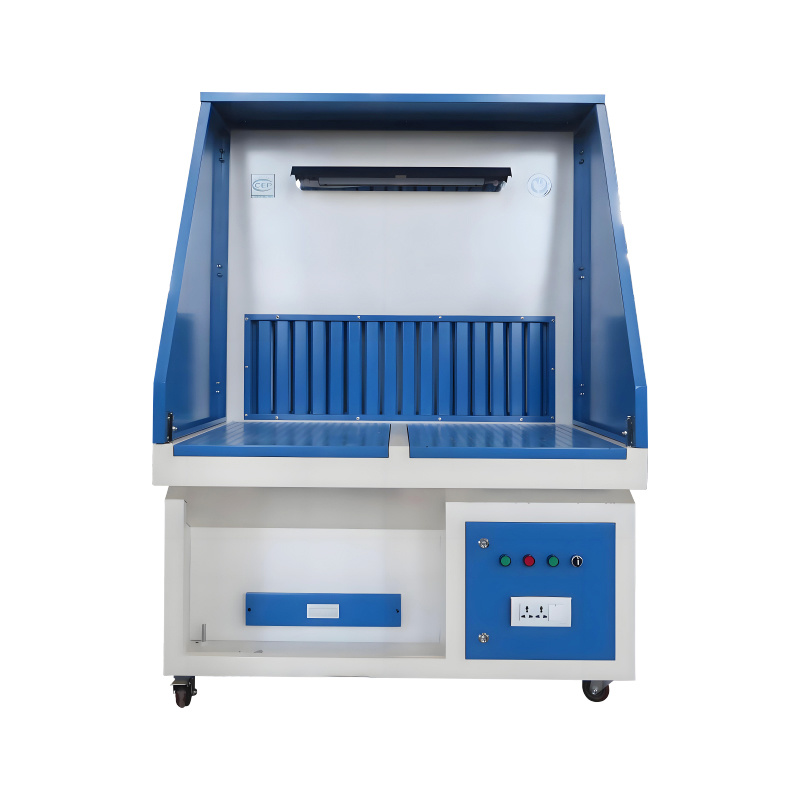
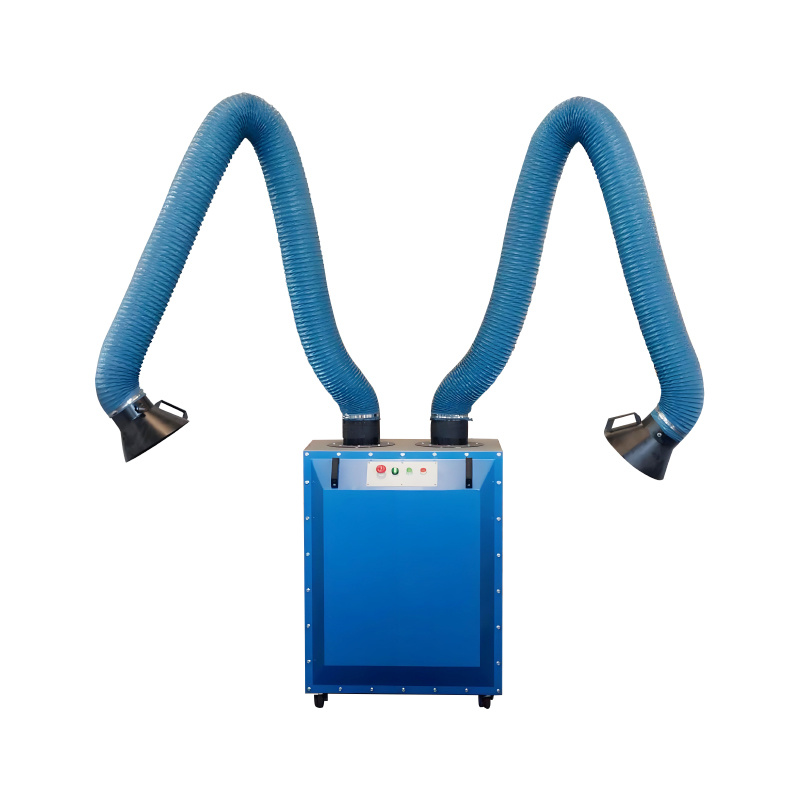









ESP Collecting Plates: Revolutionizing Dust Collection in Industry
Dec 20,2025
ESP Collecting Plates: Revolutionizing Dust Collection in Industry
Table of Contents
1. Introduction to ESP Collecting Plates
2. What Are ESP Collecting Plates?
3. How ESP Collecting Plates Work
4. Benefits of ESP Collecting Plates in Dust Collection
5. Applications of ESP Collecting Plates in Various Industries
6. Maintaining ESP Collecting Plates for Optimal Performance
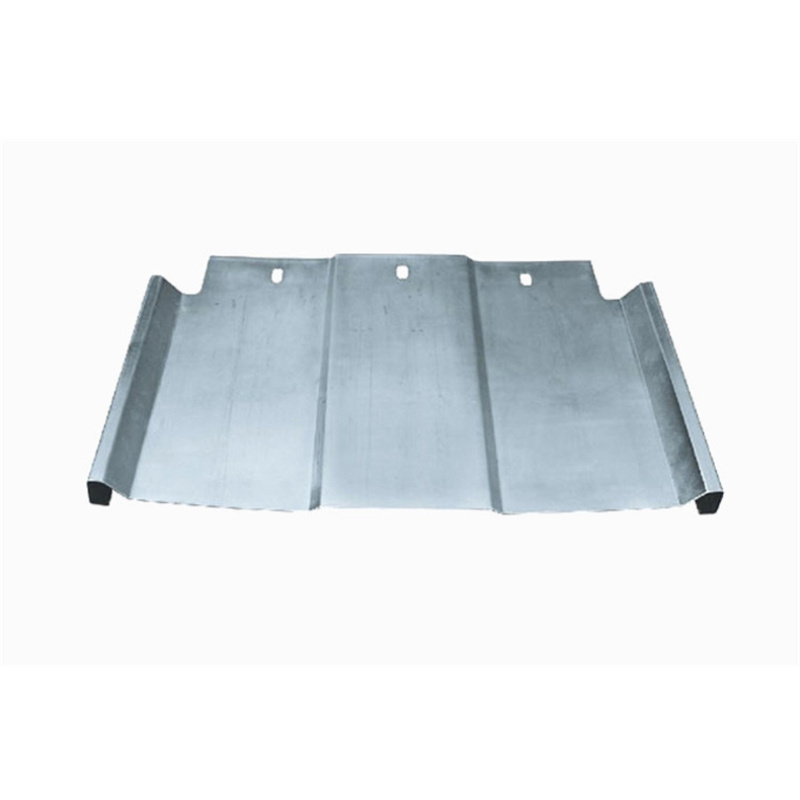
ESP Collecting Plates: Revolutionizing Dust Collection in Industry
Table of Contents
- 1. Introduction to ESP Collecting Plates
- 2. What Are ESP Collecting Plates?
- 3. How ESP Collecting Plates Work
- 4. Benefits of ESP Collecting Plates in Dust Collection
- 5. Applications of ESP Collecting Plates in Various Industries
- 6. Maintaining ESP Collecting Plates for Optimal Performance
- 7. The Future of Dust Collection Technology
- 8. Frequently Asked Questions
- 9. Conclusion
1. Introduction to ESP Collecting Plates
In today’s industrial landscape, maintaining a clean working environment is not just a regulatory requirement, but a necessity for operational efficiency and employee health. **Electrostatic Precipitators (ESPs)**, and more specifically, **ESP collecting plates**, are at the forefront of revolutionizing dust collection methods across various sectors. These plates play a vital role in capturing particulate matter and ensuring that emissions meet stringent environmental standards.
2. What Are ESP Collecting Plates?
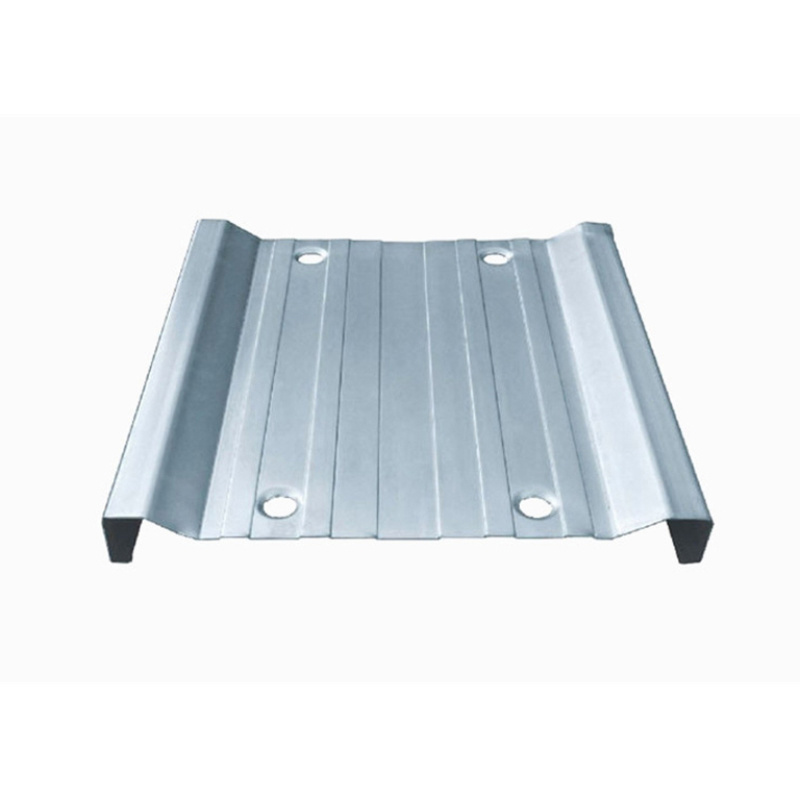
ESP collecting plates are specialized components designed to enhance the performance of electrostatic precipitators. Their primary function is to collect particulate matter suspended in the air, effectively removing dust and other pollutants from industrial processes. These plates utilize electrostatic forces to attract and capture particles, resulting in cleaner exhaust air and improved air quality in industrial environments.
The Composition of ESP Collecting Plates
Typically made from conductive materials, **ESP collecting plates** are engineered to withstand harsh industrial conditions. Their design allows for efficient particle capture, making them essential for industries that generate significant dust emissions, such as manufacturing, mining, and construction.
3. How ESP Collecting Plates Work
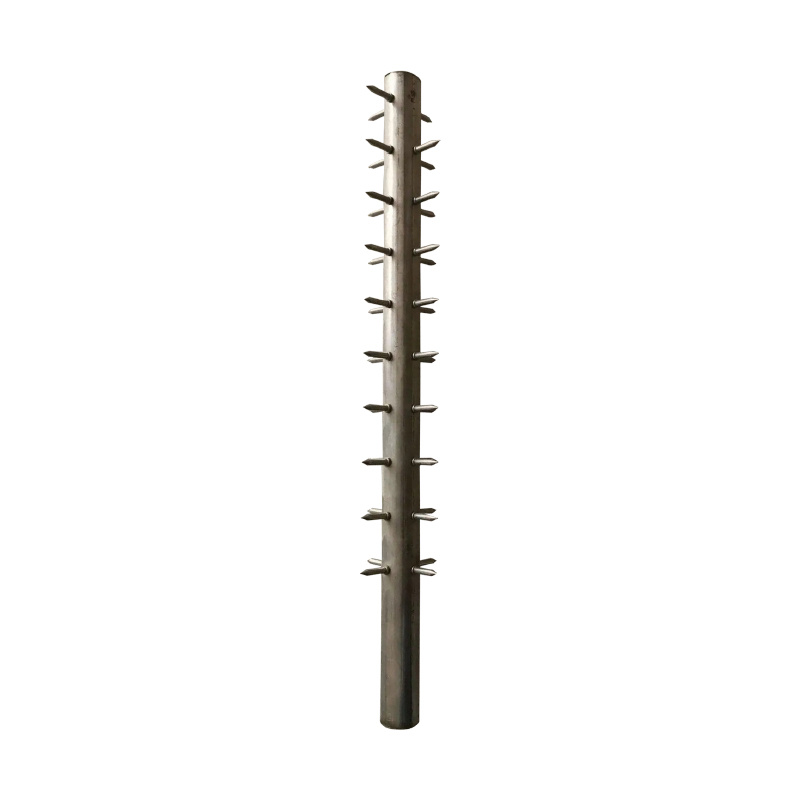
The operation of ESP collecting plates is rooted in the principles of electrostatics. When air laden with particles enters the electrostatic precipitator, it passes through a charged field created by the collecting plates and discharge electrodes.
The Process of Particle Attraction
1. **Ionization**: The incoming air is ionized at the discharge electrodes, which imparts a negative charge to the particles present in the air.
2. **Collection**: As the charged particles move toward the positively charged ESP collecting plates, they adhere to the plates, effectively removing them from the airstream.
3. **Cleaning and Maintenance**: Periodic cleaning of the plates is necessary to maintain efficiency, as accumulated dust can reduce the overall performance of the electrostatic precipitator.
4. Benefits of ESP Collecting Plates in Dust Collection
Utilizing ESP collecting plates offers numerous advantages that enhance dust collection systems. Below are some of the key benefits:
Improved Air Quality
By effectively capturing harmful particles, ESP collecting plates significantly improve the air quality within industrial facilities, promoting a healthier workplace for employees.
Enhanced Efficiency
These plates provide superior particle collection efficiency compared to traditional dust collection methods, which can lead to lower operational costs and improved system performance.
Compliance with Environmental Standards
Industries are required to comply with strict air quality regulations. ESP collecting plates help organizations meet these standards, reducing the risk of penalties and contributing to sustainability efforts.
Reduced Maintenance Costs
With their robust design and efficiency, ESP collecting plates often require less frequent maintenance compared to other dust collection systems, allowing for cost savings in the long run.
5. Applications of ESP Collecting Plates in Various Industries
ESP collecting plates are widely used across numerous industries due to their versatility and effectiveness. Some key applications include:
1. Manufacturing
In manufacturing plants, ESP collecting plates are essential for controlling emissions from processes such as welding, painting, and material handling.
2. Mining
Mining operations generate significant dust, making ESP collecting plates invaluable for maintaining air quality and compliance with environmental regulations.
3. Power Generation
Power plants utilize ESP technology to minimize particulate emissions from coal and biomass combustion, ensuring cleaner energy production.
4. Pharmaceutical
In the pharmaceutical industry, maintaining a dust-free environment is crucial. ESP collecting plates help ensure compliance with strict cleanliness standards.
5. Food Processing
Dust control is vital in food processing to avoid contamination. ESP collecting plates help maintain a safe and clean production environment.
6. Maintaining ESP Collecting Plates for Optimal Performance
Regular maintenance of ESP collecting plates is essential to ensure they function optimally. Below are tips for effective maintenance:
Regular Inspections
Conduct routine inspections to identify any signs of wear or damage. Early detection can prevent costly repairs and downtime.
Cleaning Procedures
Implement a cleaning schedule to remove accumulated dust and debris. This can typically be done using high-pressure air or water, depending on the manufacturer's guidelines.
Replacement of Worn Plates
Monitor the condition of the collecting plates and replace them when they show significant wear. This will maintain the overall efficiency of the ESP system.
7. The Future of Dust Collection Technology
As industries continue to evolve, so too does the technology behind dust collection systems. Future advancements in ESP collecting plates are expected to focus on enhancing efficiency, reducing energy consumption, and improving the sustainability of dust collection practices.
Integration with Smart Technologies
Emerging trends suggest that integrating ESP collecting plates with smart technologies could allow for real-time monitoring and management of dust collection systems, leading to even greater efficiency and effectiveness.
Sustainable Materials
The development of eco-friendly materials for ESP collecting plates could further enhance their sustainability and reduce the environmental impact associated with their production and disposal.
8. Frequently Asked Questions
1. What industries benefit from ESP collecting plates?
Various industries, including manufacturing, mining, pharmaceuticals, and food processing, benefit from the use of ESP collecting plates due to their efficiency in capturing particulate matter.
2. How often should ESP collecting plates be cleaned?
Cleaning frequency can vary based on the dust levels in the environment, but regular inspections and cleanings every few months are generally recommended.
3. What materials are ESP collecting plates made from?
ESP collecting plates are typically made from conductive materials such as stainless steel or aluminum, which are designed to withstand harsh industrial conditions.
4. Can ESP collecting plates help with regulatory compliance?
Yes, ESP collecting plates can significantly aid in meeting environmental regulations by effectively capturing harmful emissions and improving air quality.
5. How do I know when to replace my ESP collecting plates?
Signs of wear, such as visible damage or reduced efficiency in dust collection, indicate that it may be time to replace your ESP collecting plates.
9. Conclusion
ESP collecting plates are fundamentally transforming dust collection in various industries, providing essential benefits such as enhanced air quality, efficiency, and compliance with environmental standards. As technology progresses, the future promises even more advancements in this critical area, ensuring that industries can operate safely and sustainably. By investing in and understanding the importance of ESP collecting plates, organizations can significantly improve their dust collection processes and contribute to a healthier workplace.
Hot Tags:
PREVIOUS:


Contact Us
Tel:
WeChat:
WhatsApp:
E-mail:
Address:
338 National Road South, Longfengdian Village, Botou City, Hebei Province, China
JiuznTomine is expertly delivering technically complicated projects in markets & provides custom solutions for their customized need.


CONTACT INFO
Tel: +86 18531710311
WeChat: +86-18531710311
338 National Road South, Longfengdian Village, Botou City, Hebei Province, China