













Understanding the Importance of Baghouse Dust Collectors in Industrial Air Quality Management
Dec 18,2025
Baghouse dust collectors are specialized filtration systems designed to control and manage dust emissions in various industrial processes. They work by drawing air laden with dust through fabric filter bags, which trap the particulate matter while allowing clean air to pass through. The captured dust then accumulates on the surface of the filter bags, and periodic cleaning mechanisms, such as puls

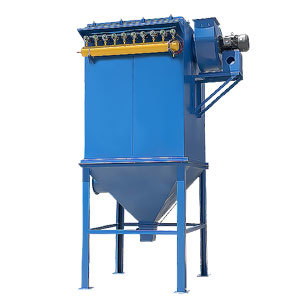
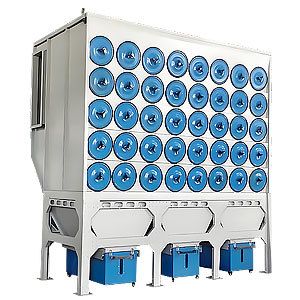
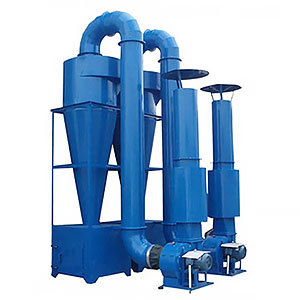
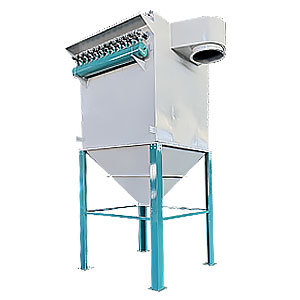
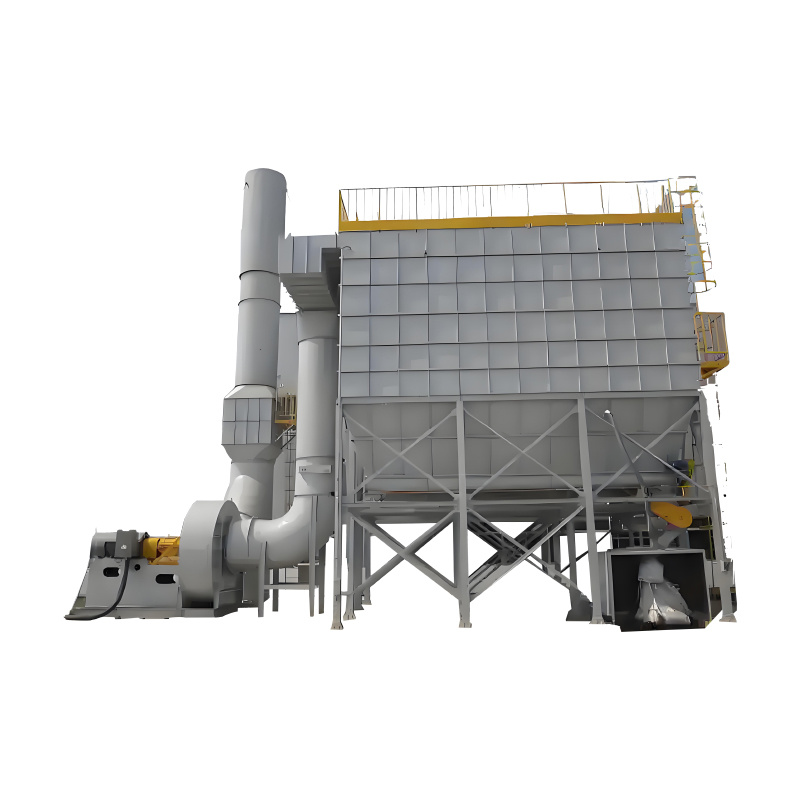
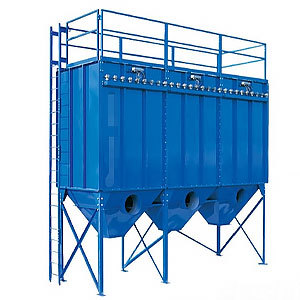
Baghouse dust collectors are specialized filtration systems designed to control and manage dust emissions in various industrial processes. They work by drawing air laden with dust through fabric filter bags, which trap the particulate matter while allowing clean air to pass through. The captured dust then accumulates on the surface of the filter bags, and periodic cleaning mechanisms, such as pulse jet or shaker systems, are employed to remove the dust, ensuring optimal performance and longevity of the filters.
One of the primary advantages of baghouse dust collectors is their efficiency in capturing a wide range of particle sizes, including fine dust that can be harmful to both human health and equipment. By utilizing high-quality filter media, these systems can achieve collection efficiencies exceeding 99%, significantly reducing airborne contaminants and improving overall air quality. This high level of filtration is essential in industries such as manufacturing, food processing, and woodworking, where dust can be produced in large quantities and pose risks to workers and equipment alike.
In addition to enhancing air quality, baghouse dust collectors contribute to operational efficiency. By minimizing dust emissions, businesses can avoid costly fines associated with non-compliance to environmental regulations. Furthermore, effective dust control can lead to improved visibility in the workplace, reduced risk of fire and explosion from combustible dust, and enhanced equipment lifespan due to decreased wear and tear from abrasive particles.
When selecting a baghouse dust collector, there are several key factors to consider. Firstly, the type and volume of dust generated by the specific industrial process will determine the design and size of the collector. Additionally, the choice of filter material and maintenance requirements are crucial for ensuring effectiveness and longevity. Regular maintenance schedules, including filter inspections and cleaning, should be established to maintain peak performance.
In conclusion, baghouse dust collectors are essential components of industrial air purification systems. They not only help in complying with environmental regulations but also promote a safer and more productive working environment. By investing in effective baghouse dust collection technology, industries can significantly improve air quality, protect worker health, and ensure operational efficiency. Understanding the mechanics and benefits of these systems is crucial for any professional involved in air quality management and industrial operations.
One of the primary advantages of baghouse dust collectors is their efficiency in capturing a wide range of particle sizes, including fine dust that can be harmful to both human health and equipment. By utilizing high-quality filter media, these systems can achieve collection efficiencies exceeding 99%, significantly reducing airborne contaminants and improving overall air quality. This high level of filtration is essential in industries such as manufacturing, food processing, and woodworking, where dust can be produced in large quantities and pose risks to workers and equipment alike.
In addition to enhancing air quality, baghouse dust collectors contribute to operational efficiency. By minimizing dust emissions, businesses can avoid costly fines associated with non-compliance to environmental regulations. Furthermore, effective dust control can lead to improved visibility in the workplace, reduced risk of fire and explosion from combustible dust, and enhanced equipment lifespan due to decreased wear and tear from abrasive particles.
When selecting a baghouse dust collector, there are several key factors to consider. Firstly, the type and volume of dust generated by the specific industrial process will determine the design and size of the collector. Additionally, the choice of filter material and maintenance requirements are crucial for ensuring effectiveness and longevity. Regular maintenance schedules, including filter inspections and cleaning, should be established to maintain peak performance.
In conclusion, baghouse dust collectors are essential components of industrial air purification systems. They not only help in complying with environmental regulations but also promote a safer and more productive working environment. By investing in effective baghouse dust collection technology, industries can significantly improve air quality, protect worker health, and ensure operational efficiency. Understanding the mechanics and benefits of these systems is crucial for any professional involved in air quality management and industrial operations.
Hot Tags:


Contact Us
Tel:
WeChat:
WhatsApp:
E-mail:
Address:
338 National Road South, Longfengdian Village, Botou City, Hebei Province, China
JiuznTomine is expertly delivering technically complicated projects in markets & provides custom solutions for their customized need.


CONTACT INFO
Tel: +86 18531710311
WeChat: +86-18531710311
338 National Road South, Longfengdian Village, Botou City, Hebei Province, China