



































Comparing Bag Dust Collectors: Essential Guide for Industrial Applications
Dec 16,2025
Comparing Bag Dust Collectors: Essential Guide for Industrial Applications
Table of Contents
1. Introduction to Bag Dust Collectors
2. Importance of Dust Collection in Industrial Settings
3. Types of Bag Dust Collectors
4. Key Factors to Consider When Choosing Bag Dust Collectors
5. Efficiency Ratings of Bag Dust Collectors
6. Maintenance and Operational Costs
7. Installation Requir
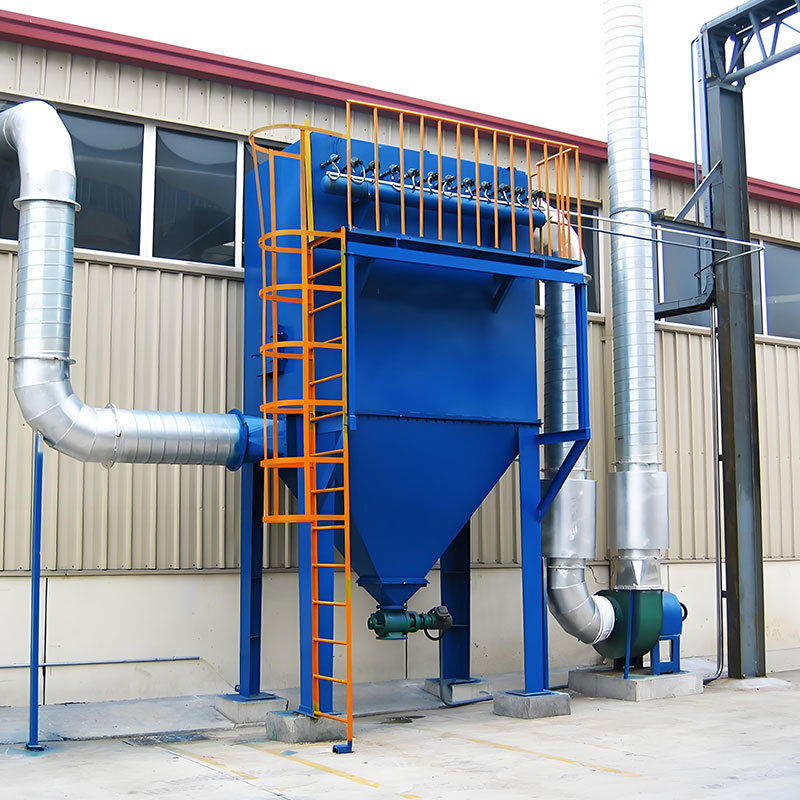
Comparing Bag Dust Collectors: Essential Guide for Industrial Applications
Table of Contents
- 1. Introduction to Bag Dust Collectors
- 2. Importance of Dust Collection in Industrial Settings
- 3. Types of Bag Dust Collectors
- 4. Key Factors to Consider When Choosing Bag Dust Collectors
- 5. Efficiency Ratings of Bag Dust Collectors
- 6. Maintenance and Operational Costs
- 7. Installation Requirements for Bag Dust Collectors
- 8. Top Brands of Bag Dust Collectors
- 9. Frequently Asked Questions
- 10. Conclusion
1. Introduction to Bag Dust Collectors
In the realm of industrial manufacturing, maintaining a clean and safe working environment is paramount. Bag dust collectors are essential components in achieving this goal. These systems are designed to capture airborne dust and particulate matter, helping to improve air quality and comply with regulatory standards. In this guide, we will explore the nuances of bag dust collectors, providing you with the knowledge necessary to make an informed decision when comparing options available in the market.
2. Importance of Dust Collection in Industrial Settings
Dust collection plays a critical role in various industrial processes. The accumulation of dust can lead to several issues, including:
- **Health risks**: Prolonged exposure to dust can cause respiratory problems and other health issues among workers.
- **Fire hazards**: Certain types of dust, particularly flammable ones, pose significant fire risks if not managed properly.
- **Equipment damage**: Dust can wear down machinery and equipment, leading to increased maintenance costs and decreased efficiency.
- **Regulatory compliance**: Many industries are subject to strict regulations regarding air quality and dust emissions.
Implementing an effective dust collection system is not just a matter of compliance; it's essential for ensuring the safety and well-being of employees while protecting valuable equipment.
3. Types of Bag Dust Collectors
Bag dust collectors come in various designs and configurations, each suited for specific applications. Understanding the different types can help you choose the best system for your needs:
3.1. Pulse Jet Bag Dust Collectors
Pulse jet systems use compressed air to clean bags periodically. This method is highly effective for maintaining consistent performance and is ideal for applications with high dust loading.
3.2. Reverse Air Bag Dust Collectors
These systems use a fan to reverse airflow through the bags, dislodging dust. They are known for their efficiency in handling fine particles and are suitable for continuous-duty applications.
3.3. Shaker Bag Dust Collectors
Shaker systems utilize mechanical shakers to remove dust from bags. While less common than pulse jet and reverse air systems, they are effective for lighter dust loads and can be more economical in certain situations.
4. Key Factors to Consider When Choosing Bag Dust Collectors
When evaluating bag dust collectors, several key factors should be taken into account:
4.1. Airflow Capacity
Understanding the required airflow capacity is critical. This is typically measured in cubic feet per minute (CFM) and is influenced by the size of the area being serviced and the volume of dust generated.
4.2. Filter Efficiency
The efficiency of the filters used in bag dust collectors is vital. Look for systems that can achieve high capture rates for the specific types of dust you are dealing with. HEPA filters, for instance, can capture 99.97% of particles, making them an excellent choice for hazardous materials.
4.3. Bag Material and Construction
The material and construction of the bags can significantly impact durability and effectiveness. Consider options made from synthetic materials for improved resistance to moisture and chemicals.
4.4. Space Requirements
Assess the available space for installation. Some systems require more room than others, so ensure that you have enough space for both the unit and any associated ductwork.
4.5. Noise Levels
Operating noise can be a concern, especially in workplaces where noise exposure should be minimized. Look for models designed to operate quietly or consider sound-dampening solutions.
5. Efficiency Ratings of Bag Dust Collectors
Efficiency ratings are crucial for determining how well a bag dust collector will perform. Look for the following metrics:
5.1. Filter Efficiency Ratings
Filters are often rated according to their ability to capture particles of different sizes. The most common ratings include MERV (Minimum Efficiency Reporting Value) and HEPA (High-Efficiency Particulate Air). Understanding these ratings will help you select a system that meets your specific needs.
5.2. Energy Efficiency
Evaluate the energy consumption of the dust collector. Systems that operate more efficiently will not only save you money but also reduce your environmental impact.
6. Maintenance and Operational Costs
Maintenance is a significant consideration when investing in bag dust collectors. Regular maintenance ensures the system operates efficiently and prolongs its lifespan. Key aspects of maintenance include:
6.1. Filter Replacement
Depending on the type of dust and the operating conditions, filter replacement may be necessary. Understanding the lifespan of filters and the associated costs will help you budget accordingly.
6.2. Cleaning Protocols
Implementing effective cleaning protocols is essential for maintaining airflow and efficiency. Familiarize yourself with the manufacturer's recommendations for cleaning and upkeep.
6.3. Downtime Costs
Consider the potential downtime associated with maintenance. Systems that are easier to maintain can reduce operational disruptions and associated costs.
7. Installation Requirements for Bag Dust Collectors
The installation process for bag dust collectors can vary widely depending on the system type and the specific application. Key factors include:
7.1. Site Assessment
Conducting a thorough site assessment is essential for identifying the best location for installation. Assess factors like airflow direction, existing equipment, and access for maintenance.
7.2. Ductwork Configuration
Proper ductwork is crucial for optimal performance. Consider the layout and configuration of ducts to minimize bends and restrictions, ensuring smooth airflow.
7.3. Compliance with Regulations
Ensure that the installation complies with local regulations and industry standards. This may include obtaining permits and following specific guidelines to ensure safety and effectiveness.
8. Top Brands of Bag Dust Collectors
Several manufacturers have established themselves as leaders in the bag dust collector market. Some of the top brands include:
8.1. Donaldson Torit
Known for their extensive range of dust collection systems, Donaldson Torit offers innovative solutions designed for various applications.
8.2. Camfil APC
Camfil APC specializes in high-performance air filtration systems, providing effective dust collection solutions tailored to customer needs.
8.3. AAF International
AAF International is recognized for its commitment to air quality solutions, offering a variety of bag dust collectors that meet stringent industry standards.
9. Frequently Asked Questions
9.1. What is the lifespan of bag filters in dust collectors?
The lifespan of bag filters can vary widely based on factors such as the type of dust collected, environmental conditions, and maintenance practices. On average, bags may last anywhere from 1 to 5 years.
9.2. How often should I replace the filters in my bag dust collector?
Filter replacement frequency depends on dust loading and operating conditions. Regular inspections and monitoring of pressure drops across filters can guide you in determining when replacement is necessary.
9.3. Can bag dust collectors handle hazardous materials?
Yes, many bag dust collectors are designed to handle hazardous materials. Ensure you choose a system equipped with appropriate filters, such as HEPA filters, for maximum safety and compliance.
9.4. What are the advantages of pulse jet bag dust collectors over other types?
Pulse jet bag dust collectors offer superior cleaning efficiency and are effective for high dust loading applications. The method of using compressed air to clean filters enhances performance and reduces downtime.
9.5. How do I choose the right bag dust collector for my facility?
Consider factors such as airflow capacity, filter efficiency, space requirements, and specific dust characteristics. Consulting with an expert can also help ensure you select an appropriate system.
10. Conclusion
In conclusion, selecting the right bag dust collector is a critical decision for any industrial operation. By understanding the various types, key factors to consider, and the importance of efficiency and maintenance, you can make a well-informed choice that enhances your facility's safety and operational efficiency. With the right bag dust collector in place, you can significantly improve air quality, protect your workforce, and ensure compliance with industry regulations. Investing in this essential equipment will yield long-term benefits and contribute to a cleaner, safer working environment.
Hot Tags:
PREVIOUS:


Contact Us
Tel:
WeChat:
WhatsApp:
E-mail:
Address:
338 National Road South, Longfengdian Village, Botou City, Hebei Province, China
JiuznTomine is expertly delivering technically complicated projects in markets & provides custom solutions for their customized need.


CONTACT INFO
Tel: +86 18531710311
WeChat: +86-18531710311
338 National Road South, Longfengdian Village, Botou City, Hebei Province, China