












The Essential Guide to Baghouse Filter Bags: Optimizing Air Quality in Industrial Settings
Dec 14,2025
Baghouse filter bags are a crucial component in industrial air pollution control systems, specifically designed to capture particulate matter from exhaust streams. These filter bags operate within a baghouse, a type of dust collector that utilizes fabric filters to remove dust and other particles from the air, thereby enhancing air quality and ensuring compliance with environmental regulations. Un

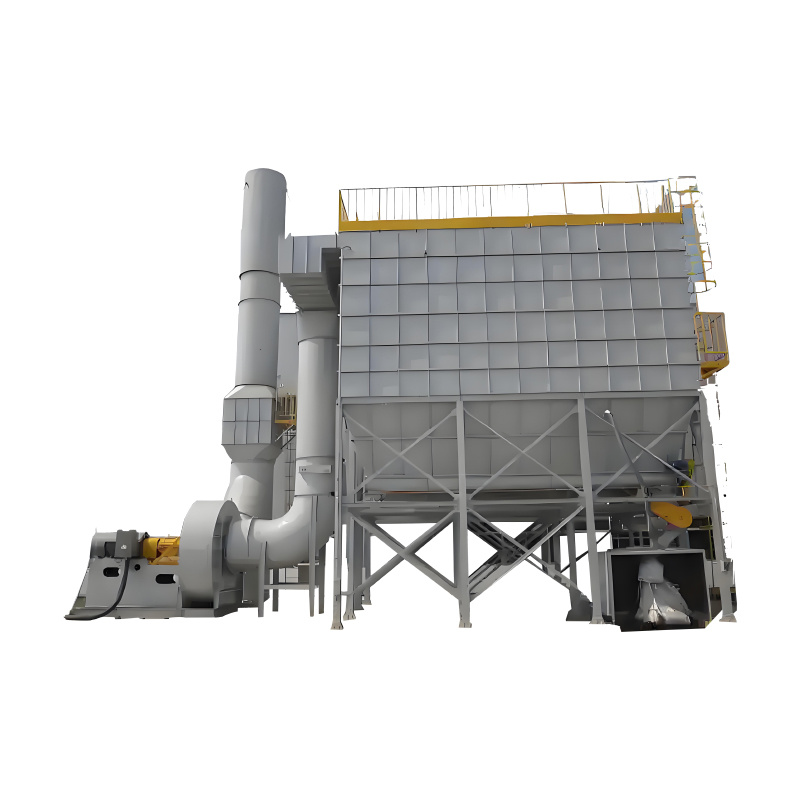
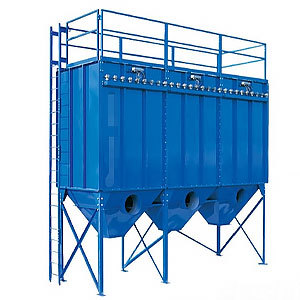
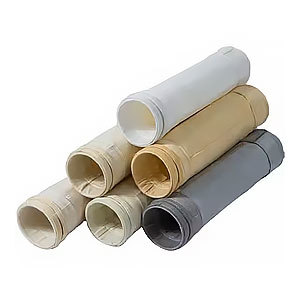
Baghouse filter bags are a crucial component in industrial air pollution control systems, specifically designed to capture particulate matter from exhaust streams. These filter bags operate within a baghouse, a type of dust collector that utilizes fabric filters to remove dust and other particles from the air, thereby enhancing air quality and ensuring compliance with environmental regulations. Understanding the intricacies of baghouse filter bags can significantly improve operational efficiency and contribute to better workplace safety.
The design of baghouse filter bags allows them to capture a wide range of particulate sizes, making them effective for various applications, from mining and cement production to pharmaceuticals and food processing. Typically made from durable materials like polyester, polypropylene, or aramid, these bags are engineered to withstand harsh operating conditions, including high temperatures and abrasive environments, enhancing their longevity and performance.
One of the primary factors contributing to the effectiveness of baghouse filter bags is their filtration mechanism. The process involves the formation of a dust cake on the filter surface, which enhances the capture efficiency of smaller particles. Regular maintenance, including periodic cleaning of the bags through techniques such as pulse jet or shaker cleaning, is essential to maintain optimal airflow and filtration efficiency. Neglecting maintenance can lead to increased pressure drop across the filters, reduced airflow, and ultimately, decreased system performance.
Choosing the right baghouse filter bags involves considering several factors, including the type of dust being collected, the temperature and humidity of the air stream, and the required filtration efficiency. Different bag designs, such as pleated or tubular, offer distinct advantages depending on the specific application. For example, pleated bags can provide a larger surface area in a compact design, making them ideal for systems where space is limited.
Moreover, advancements in technology have led to the development of specialized filter media that enhance the performance of baghouse filter bags. These innovations include coated fabrics that improve dust release and specialized treatments that enhance resistance to chemical degradation. Selecting the appropriate baghouse filter bags can lead to substantial cost savings in terms of reduced energy consumption and lower maintenance expenses.
In conclusion, baghouse filter bags play a pivotal role in industrial air filtration systems. Their ability to effectively capture airborne particulates not only improves air quality but also ensures compliance with environmental standards. By understanding the various types of filter bags, their maintenance requirements, and the latest technological advancements, industries can optimize their filtration systems for enhanced performance and reliability. For those looking to improve their air quality management, investing in high-quality baghouse filter bags is a step in the right direction.
The design of baghouse filter bags allows them to capture a wide range of particulate sizes, making them effective for various applications, from mining and cement production to pharmaceuticals and food processing. Typically made from durable materials like polyester, polypropylene, or aramid, these bags are engineered to withstand harsh operating conditions, including high temperatures and abrasive environments, enhancing their longevity and performance.
One of the primary factors contributing to the effectiveness of baghouse filter bags is their filtration mechanism. The process involves the formation of a dust cake on the filter surface, which enhances the capture efficiency of smaller particles. Regular maintenance, including periodic cleaning of the bags through techniques such as pulse jet or shaker cleaning, is essential to maintain optimal airflow and filtration efficiency. Neglecting maintenance can lead to increased pressure drop across the filters, reduced airflow, and ultimately, decreased system performance.
Choosing the right baghouse filter bags involves considering several factors, including the type of dust being collected, the temperature and humidity of the air stream, and the required filtration efficiency. Different bag designs, such as pleated or tubular, offer distinct advantages depending on the specific application. For example, pleated bags can provide a larger surface area in a compact design, making them ideal for systems where space is limited.
Moreover, advancements in technology have led to the development of specialized filter media that enhance the performance of baghouse filter bags. These innovations include coated fabrics that improve dust release and specialized treatments that enhance resistance to chemical degradation. Selecting the appropriate baghouse filter bags can lead to substantial cost savings in terms of reduced energy consumption and lower maintenance expenses.
In conclusion, baghouse filter bags play a pivotal role in industrial air filtration systems. Their ability to effectively capture airborne particulates not only improves air quality but also ensures compliance with environmental standards. By understanding the various types of filter bags, their maintenance requirements, and the latest technological advancements, industries can optimize their filtration systems for enhanced performance and reliability. For those looking to improve their air quality management, investing in high-quality baghouse filter bags is a step in the right direction.
Hot Tags:


Contact Us
Tel:
WeChat:
WhatsApp:
E-mail:
Address:
338 National Road South, Longfengdian Village, Botou City, Hebei Province, China
JiuznTomine is expertly delivering technically complicated projects in markets & provides custom solutions for their customized need.


CONTACT INFO
Tel: +86 18531710311
WeChat: +86-18531710311
338 National Road South, Longfengdian Village, Botou City, Hebei Province, China