













The Impact of Dust Collectors on Workplace Safety in Industrial Settings: A Comprehensive Guide
Dec 31,2025
The Impact of Dust Collectors on Workplace Safety in Industrial Settings
In today’s industrial landscape, the significance of maintaining a safe working environment cannot be overstated. Among the various safety measures, dust control stands out as a critical component that directly influences employee health and workplace efficiency. One of the most effective tools for achieving this is the **dus

The Impact of Dust Collectors on Workplace Safety in Industrial Settings
In today’s industrial landscape, the significance of maintaining a safe working environment cannot be overstated. Among the various safety measures, dust control stands out as a critical component that directly influences employee health and workplace efficiency. One of the most effective tools for achieving this is the **dust collector**. This article explores the various aspects of dust collectors and their vital role in promoting safety within industrial settings.
Understanding Dust Collectors: What They Are and How They Work
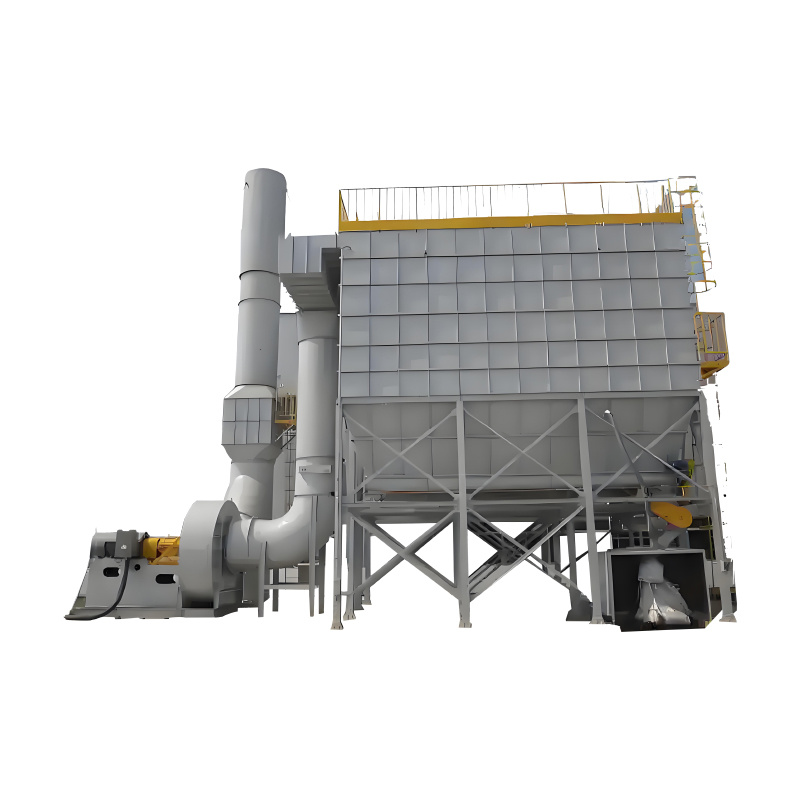
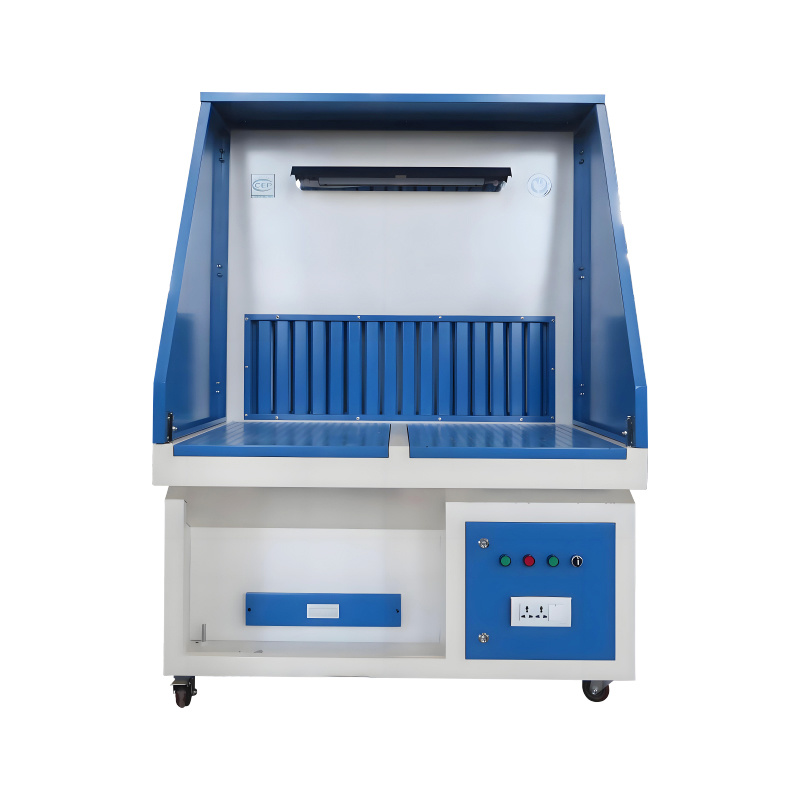
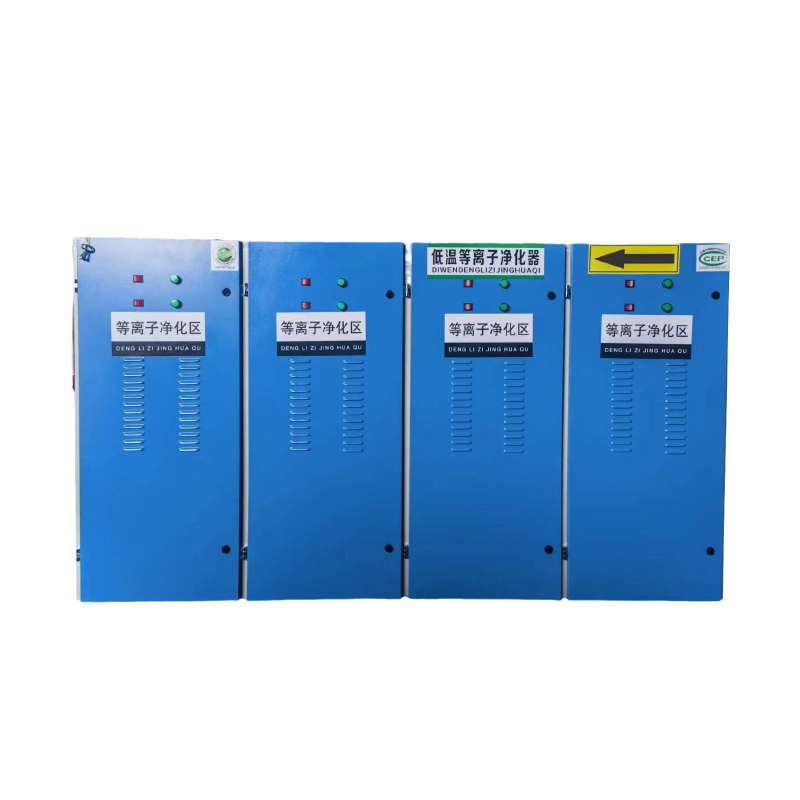
Dust collectors are specialized equipment designed to capture and filter airborne particles generated during various industrial processes. These systems utilize a combination of mechanical, chemical, and electrostatic methods to remove harmful dust and particulates from the air. By doing so, they not only help in maintaining air quality but also play a crucial role in protecting the health of employees who work in environments exposed to hazardous materials.
The Mechanism Behind Dust Collection
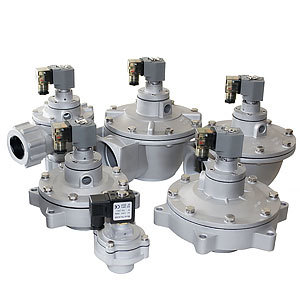
Dust collectors function through several key components, including:
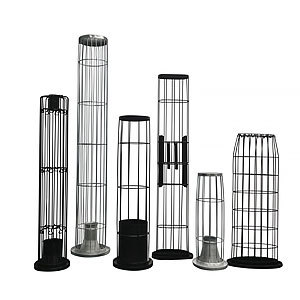
- **Filters**: These are essential in trapping dust and preventing it from re-entering the atmosphere. Depending on the type of dust and its properties, different filter materials may be employed, such as fabric, cartridge, or HEPA filters.
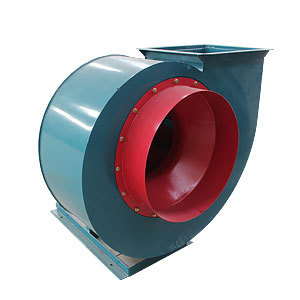
- **Fans**: These create a negative pressure that draws air containing dust into the collector, facilitating the filtration process.
- **Ductwork**: This channel system transports contaminated air from the source to the dust collector, ensuring efficient collection.
- **Disposal System**: Once dust is collected, it needs to be disposed of properly. Various methods, such as bins or pneumatic conveying, may be used to handle the collected dust safely.
Health Hazards Associated with Dust in Industrial Settings
The presence of dust in the workplace can lead to several health issues, including respiratory problems, skin irritation, and long-term diseases such as pneumoconiosis and silicosis. Understanding these hazards is essential for prioritizing workplace safety.
Respiratory Issues and Dust Exposure
Inhalation of fine dust particles can trigger immediate respiratory reactions, including coughing, wheezing, and shortness of breath. Over time, continuous exposure can lead to chronic conditions such as asthma or chronic obstructive pulmonary disease (COPD). Therefore, effective dust control is paramount to safeguarding employees' respiratory health.
Skin and Eye Irritation
Dust particles can also cause skin irritations and eye problems. Employees may experience rashes or conjunctivitis from direct contact with dust, which could lead to decreased productivity and increased absenteeism. Implementing dust collection systems can significantly reduce these risks.
The Regulatory Landscape: Compliance and Best Practices
Adherence to safety regulations is essential in any industrial setting. Various organizations, including OSHA (Occupational Safety and Health Administration) and NIOSH (National Institute for Occupational Safety and Health), set standards for permissible dust levels in the workplace.
Understanding OSHA Standards for Air Quality
OSHA has established permissible exposure limits (PELs) for various types of dust. Failure to comply with these standards can result in severe penalties and increase the risk of workplace accidents. Dust collectors are a critical component in ensuring compliance, as they help maintain air quality within acceptable limits.
Implementing Best Practices for Dust Control
Beyond compliance, establishing best practices for dust management can enhance workplace safety. Regular maintenance of dust collectors, employee training on dust hazards, and the implementation of comprehensive cleaning protocols are all integral to a successful dust control strategy.
Investing in Advanced Dust Collection Technologies
As industries evolve, so too do the technologies available for dust collection. Investing in advanced systems can enhance both safety and operational efficiency.
Benefits of State-of-the-Art Dust Collectors
Modern dust collectors come equipped with advanced features, such as:
- **High-Efficiency Filters**: These filters capture smaller particles, improving air quality.
- **Smart Monitoring Systems**: These systems allow for real-time monitoring of dust levels, ensuring timely maintenance and operation.
- **Energy Efficiency**: Newer models are designed to use less energy, reducing operational costs and environmental impact.
By upgrading to these systems, businesses can significantly enhance workplace safety while also enjoying cost savings.
Case Studies: Successful Implementation of Dust Collectors
To illustrate the effectiveness of dust collectors, consider several case studies from various industries.
Manufacturing Sector Success Story
In a large manufacturing facility, the implementation of a state-of-the-art dust collection system led to a 50% reduction in airborne dust levels. Employee health improved, with fewer reported respiratory issues and higher productivity rates.
Construction Industry Application
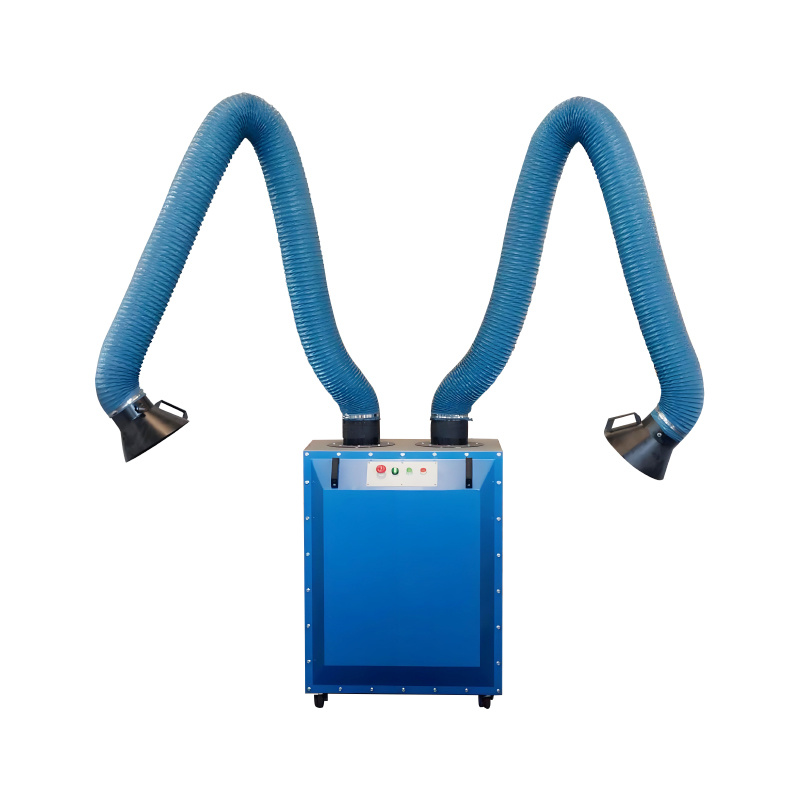
A construction company utilized mobile dust collectors on-site, resulting in a safer working environment. This not only complied with OSHA regulations but also fostered a culture of safety that enhanced employee morale.
FAQs About Dust Collectors and Workplace Safety
1. What types of dust collectors are available for industrial use?
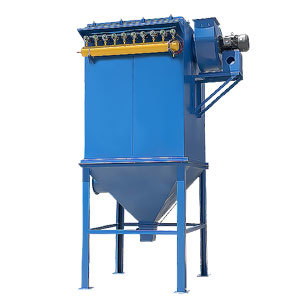
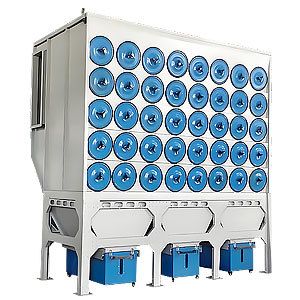
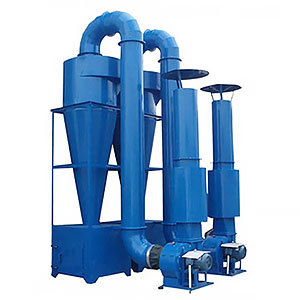
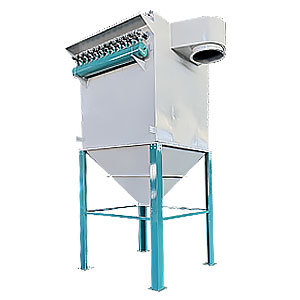
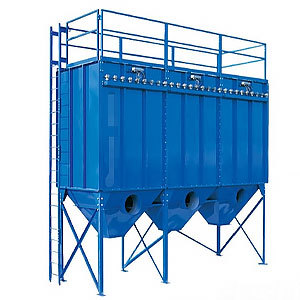
There are several types of dust collectors, including baghouse dust collectors, cartridge dust collectors, and cyclonic dust collectors. Each type is suited for different applications and dust types.
2. How often should dust collectors be maintained?
Regular maintenance is crucial. It's recommended to perform inspections monthly, with thorough maintenance checks every six months to a year.
3. Can dust collectors eliminate all types of dust?
While dust collectors significantly reduce airborne particles, they may not eliminate all dust types—especially if not appropriately matched to the specific dust characteristics.
4. Are there any environmental benefits to using dust collectors?
Yes, dust collectors improve air quality both inside and outside the facility, contributing to a healthier environment and potentially reducing regulatory fines.
5. How can businesses justify the investment in dust collection systems?
The investment can be justified through improved employee health, reduced sick days, increased productivity, compliance with regulations, and long-term cost savings from reduced health care costs.
Conclusion: Prioritizing Workplace Safety through Effective Dust Management
In conclusion, the role of dust collectors in enhancing workplace safety in industrial settings is undeniable. They not only protect employees from the myriad health risks associated with dust exposure but also ensure compliance with regulatory standards. By investing in advanced dust collection technologies and implementing best practices, businesses can create a safer and more efficient working environment. Prioritizing dust management is not merely a compliance issue; it is a fundamental aspect of fostering a thriving industrial workplace.
Hot Tags:
PREVIOUS:


Contact Us
Tel:
WeChat:
WhatsApp:
E-mail:
Address:
338 National Road South, Longfengdian Village, Botou City, Hebei Province, China
JiuznTomine is expertly delivering technically complicated projects in markets & provides custom solutions for their customized need.


CONTACT INFO
Tel: +86 18531710311
WeChat: +86-18531710311
338 National Road South, Longfengdian Village, Botou City, Hebei Province, China