











Top Features to Look for in a Grinding Platform Dust Collector
Dec 08,2025
Top Features to Look for in a Grinding Platform Dust Collector
Dust collection systems are essential in industrial settings, particularly in grinding applications where fine particulates can pose health risks and operational hazards. Choosing the right grinding platform dust collector involves understanding the features that enhance performance, efficiency, and safety. In this article, we will exp

Top Features to Look for in a Grinding Platform Dust Collector
Dust collection systems are essential in industrial settings, particularly in grinding applications where fine particulates can pose health risks and operational hazards. Choosing the right grinding platform dust collector involves understanding the features that enhance performance, efficiency, and safety. In this article, we will explore the critical characteristics that a top-tier dust collector should possess, ensuring you make an informed decision for your facility.
1. Understanding the Importance of Dust Collection
Dust collection is crucial for maintaining a clean and safe work environment. Grinding processes produce fine dust and particulate matter, which can lead to respiratory problems and reduce productivity. An effective dust collector minimizes these risks by capturing airborne particles before they disperse in the facility.
2. Key Features to Consider in a Grinding Platform Dust Collector
When evaluating dust collectors for grinding platforms, several features stand out as essential. Here are the primary attributes to focus on:
2.1 Filtration Efficiency
The filtration efficiency of a dust collector is paramount. It determines how effectively the system can capture and retain dust particles. Look for filters with high efficiency particulate air (HEPA) ratings, which can trap 99.97% of particles as small as 0.3 microns. This level of filtration is crucial for ensuring compliance with health and safety standards.
2.2 Airflow Capacity
Airflow capacity, measured in cubic feet per minute (CFM), indicates the volume of air that the dust collector can process. A higher CFM rating means the system can handle larger volumes of dust and particulates. Select a dust collector that can maintain optimal airflow rates, especially during prolonged grinding operations, to ensure consistent performance.
2.3 Dust Collection Method
Dust collectors utilize different collection methods, including bag filters, cartridge filters, and cyclonic separation. Each method has its advantages:
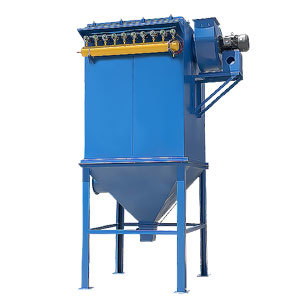
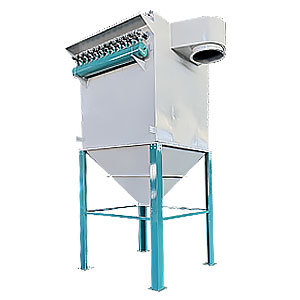
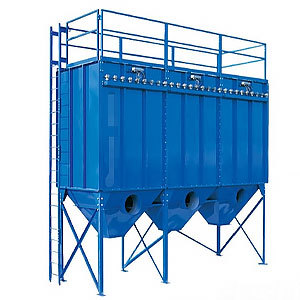
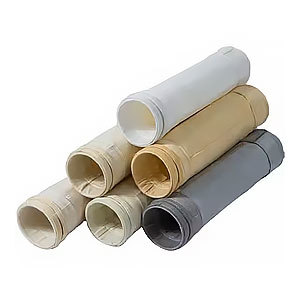
- **Bag Filters**: Ideal for applications with larger particles. They offer ease of maintenance and cleaning.
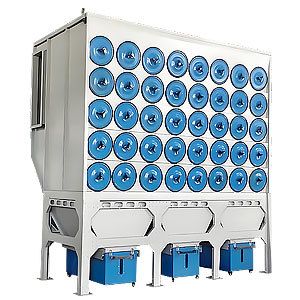
- **Cartridge Filters**: Best suited for fine dust, providing high filtration efficiency and a compact design.
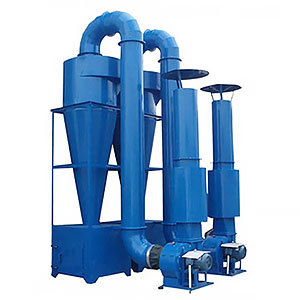
- **Cyclonic Separation**: Efficient in removing larger particles before they reach the filter, extending filter life.
Assess your specific needs to determine which method aligns best with your grinding processes.
2.4 Noise Level
Noise can be a significant concern in industrial environments. Dust collectors can generate considerable sound levels, which may affect worker comfort and productivity. Look for models that operate quietly, ideally below 85 decibels, to maintain a conducive working atmosphere.
2.5 Energy Efficiency
Energy consumption can lead to increased operating costs. Choose dust collectors that are designed for energy efficiency, featuring variable speed drives (VSD) and optimized airflow designs. Energy-efficient models not only save on costs but also contribute to environmental sustainability efforts.
2.6 Ease of Maintenance
Regular maintenance is essential for ensuring the longevity and efficacy of dust collectors. Opt for systems that offer easy access to filters and collection bags, minimizing downtime during maintenance. Automatic filter cleaning features can also enhance operational efficiency by reducing manual intervention.
2.7 Compact Design
In many industrial setups, space is a premium. A compact dust collector design can maximize floor space while providing effective dust management. Look for units that can be mounted on walls or ceilings to free up valuable ground space.
2.8 Compliance with Regulations
Ensure that the dust collector complies with local and national regulations regarding air quality and worker safety. Systems that meet Occupational Safety and Health Administration (OSHA) and Environmental Protection Agency (EPA) standards provide peace of mind and safeguard your workforce.
3. Types of Grinding Platform Dust Collectors
Different types of dust collectors are available depending on your specific grinding application. Understanding these options can help you make a more informed choice.
3.1 Portable Dust Collectors
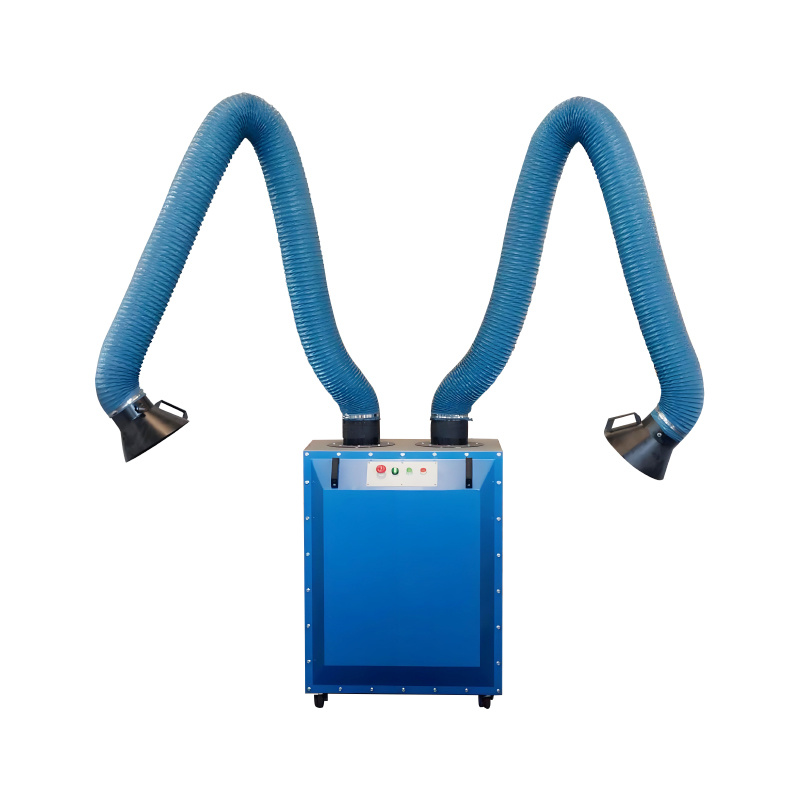
Portable dust collectors are ideal for smaller workshops or operations where mobility is required. They can be easily moved to different grinding stations, offering flexibility for various tasks.
3.2 Centralized Dust Collection Systems
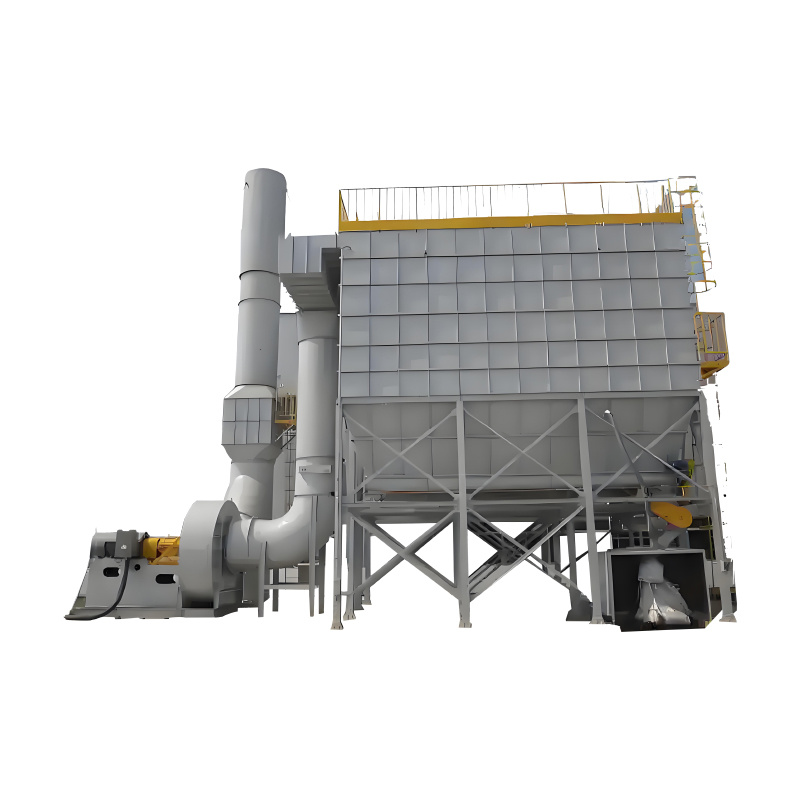
Centralized systems are designed for larger facilities with multiple grinding stations. These systems connect to various machines through ductwork, providing a comprehensive dust management solution across the entire workspace.
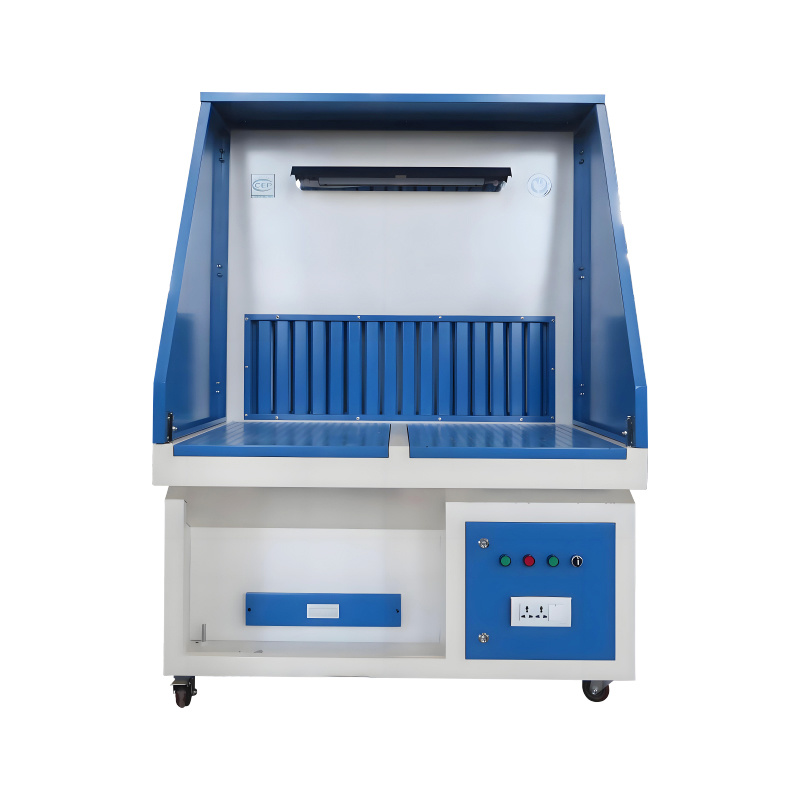
3.3 Bench-top Dust Collectors
Bench-top models are compact units designed for individual workstations. They are perfect for small-scale grinding tasks and can be utilized in hobbyist or home workshop setups.
4. Benefits of Investing in a High-Quality Dust Collector
Investing in a high-quality dust collector yields numerous benefits beyond simple dust removal. Here are some key advantages:
4.1 Improved Worker Health and Safety
By effectively capturing harmful dust particles, a dust collector plays a crucial role in protecting worker health. A cleaner work environment reduces the risk of respiratory issues and enhances overall workplace safety.
4.2 Enhanced Productivity
A well-functioning dust collection system minimizes downtime caused by equipment malfunctions or excessive cleaning. Workers can focus on their tasks without the distraction of a dusty environment, leading to increased productivity.
4.3 Longer Equipment Lifespan
Excessive dust can lead to premature wear and tear on machinery. By investing in a quality dust collector, you can protect your equipment, extending its lifespan and reducing maintenance costs.
4.4 Regulatory Compliance
Maintaining compliance with health and safety regulations is essential for any industrial operation. A reliable dust collector helps ensure adherence to standards, protecting your business from potential fines and legal issues.
5. Selecting the Right Manufacturer
Choosing a reputable manufacturer is critical to obtaining a reliable dust collector. Look for manufacturers that offer:
5.1 Established Reputation
Research the manufacturer's history and customer reviews. An established company with positive feedback is more likely to provide quality products and customer support.
5.2 Warranty and Support
A robust warranty and customer support system indicate confidence in their products. Ensure that the manufacturer provides adequate support for troubleshooting and maintenance.
5.3 Innovation and Technology
Industry advancements are continually evolving. Opt for manufacturers that utilize the latest technology and innovative designs to enhance the performance and efficiency of their dust collectors.
6. Installation and Setup Considerations
Proper installation and setup are crucial for optimal dust collector performance. Here are some factors to consider:
6.1 Professional Installation
While some systems may be suitable for DIY installation, consider hiring professionals for complex setups. Proper installation ensures that the system functions as intended and adheres to safety standards.
6.2 System Configuration
Evaluate the layout of your facility and configure the dust collection system accordingly. Ensure that ductwork is appropriately sized and the collector's placement maximizes airflow efficiency.
6.3 Training for Employees
Provide training for employees on the operation and maintenance of the dust collector. Educating staff on best practices can enhance safety and efficiency.
7. Frequently Asked Questions (FAQs)
7.1 What is the ideal CFM rating for a grinding platform dust collector?
The ideal CFM rating depends on the number of machines and the type of grinding processes. As a general rule, each machine requires approximately 350 CFM for effective dust collection.
7.2 How often should I clean or replace filters in a dust collector?
Filter maintenance depends on usage and the type of dust collected. It's recommended to inspect filters monthly and replace them every 6-12 months, or as needed.
7.3 Can I use a dust collector for multiple machines?
Yes, centralized dust collection systems can effectively service multiple machines if properly configured with the appropriate ductwork.
7.4 Are there portable options for smaller grinding applications?
Yes, portable dust collectors are available and are ideal for smaller workshops or jobs that require mobility.
7.5 How do I know if my dust collector meets regulatory standards?
Check for compliance certifications from relevant authorities (like OSHA or EPA) and consult the manufacturer’s specifications to ensure adherence to regulations.
8. Conclusion
Selecting the right grinding platform dust collector is critical for maintaining a safe and efficient work environment. By understanding the essential features—such as filtration efficiency, airflow capacity, dust collection methods, and more—you can make an informed choice that meets your industrial needs. Investing in a quality dust collector not only protects the health of your workforce but also enhances productivity and compliance with safety regulations. Consider the factors discussed in this article to choose a dust collection system that will serve your operations effectively for years to come.
Hot Tags:
PREVIOUS:


Contact Us
Tel:
WeChat:
WhatsApp:
E-mail:
Address:
338 National Road South, Longfengdian Village, Botou City, Hebei Province, China
JiuznTomine is expertly delivering technically complicated projects in markets & provides custom solutions for their customized need.


CONTACT INFO
Tel: +86 18531710311
WeChat: +86-18531710311
338 National Road South, Longfengdian Village, Botou City, Hebei Province, China