











Optimize Your Workspace: The Essential Guide to Welding Fume Dust Collectors
Dec 06,2025
Welding processes, while essential for many industries, generate hazardous fumes and dust that can pose serious health risks to workers. A welding fume dust collector is an advanced solution designed to capture and filter these harmful particles from the air, ensuring a cleaner workspace. Understanding the importance of welding fume dust collectors can help you protect your employees and comply wi
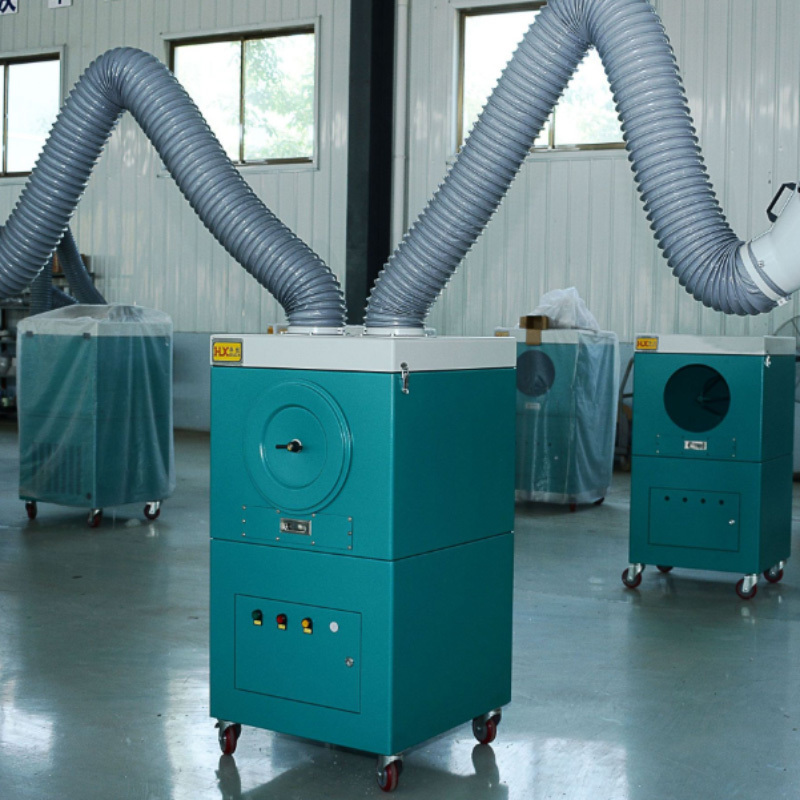
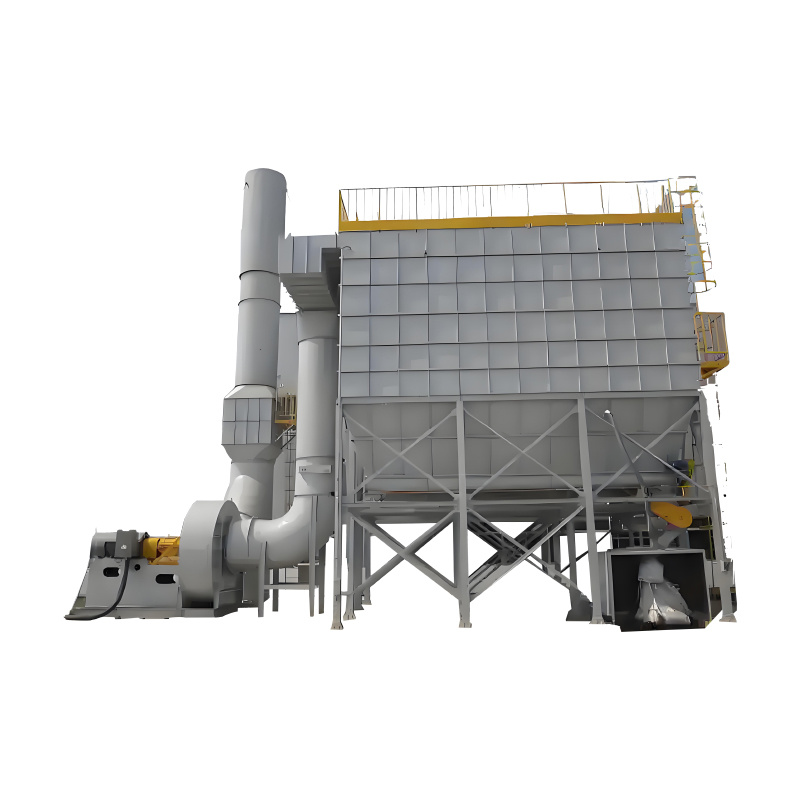
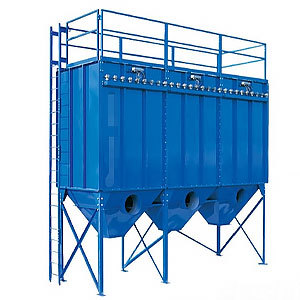
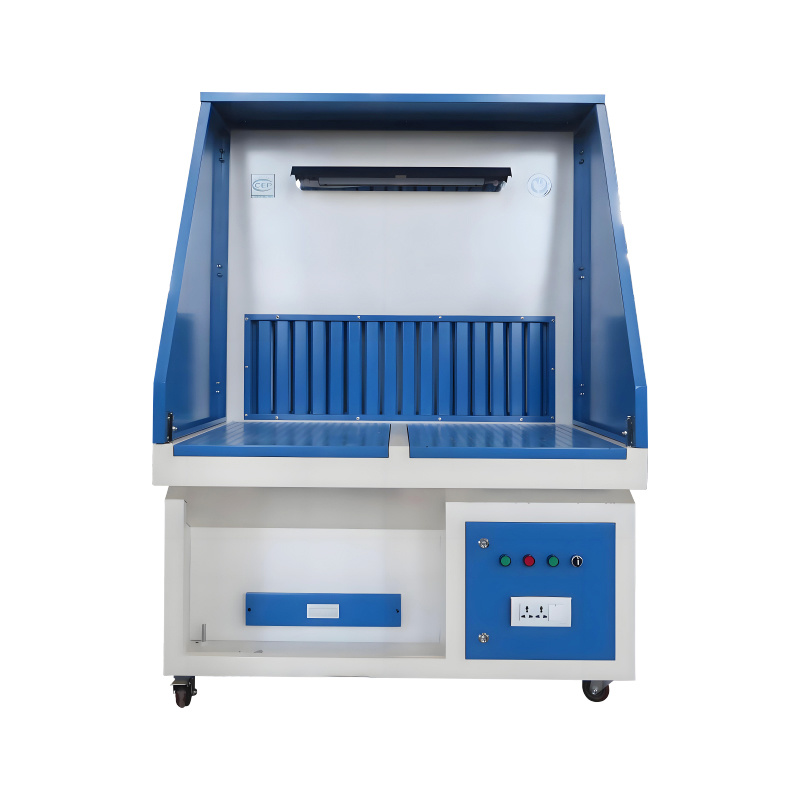
Welding processes, while essential for many industries, generate hazardous fumes and dust that can pose serious health risks to workers. A welding fume dust collector is an advanced solution designed to capture and filter these harmful particles from the air, ensuring a cleaner workspace. Understanding the importance of welding fume dust collectors can help you protect your employees and comply with safety regulations.
The primary function of a welding fume dust collector is to trap airborne contaminants generated during welding operations. These contaminants can include metal particles, oxides, and other toxic substances that may lead to respiratory issues and other health concerns. By integrating a dust collector into your welding processes, you can significantly reduce the concentration of these harmful agents in the air.
When selecting a welding fume dust collector, it's vital to consider several key factors. First, assess the volume of fumes and dust your operations generate. This will help you determine the appropriate airflow rate and filter efficiency required for your dust collector. Maintaining a sufficient airflow rate ensures that the system can adequately capture and filter contaminants before they disperse into the work environment.
Another important consideration is the type of filtration system. Welding fume dust collectors commonly use various filtration methods, including HEPA filters, electrostatic precipitators, and cartridge filters. HEPA filters, for instance, are highly effective at capturing fine particulate matter, making them an excellent choice for facilities with stringent air quality requirements. On the other hand, electrostatic precipitators are efficient in removing larger particles and are often used in heavy-duty applications.
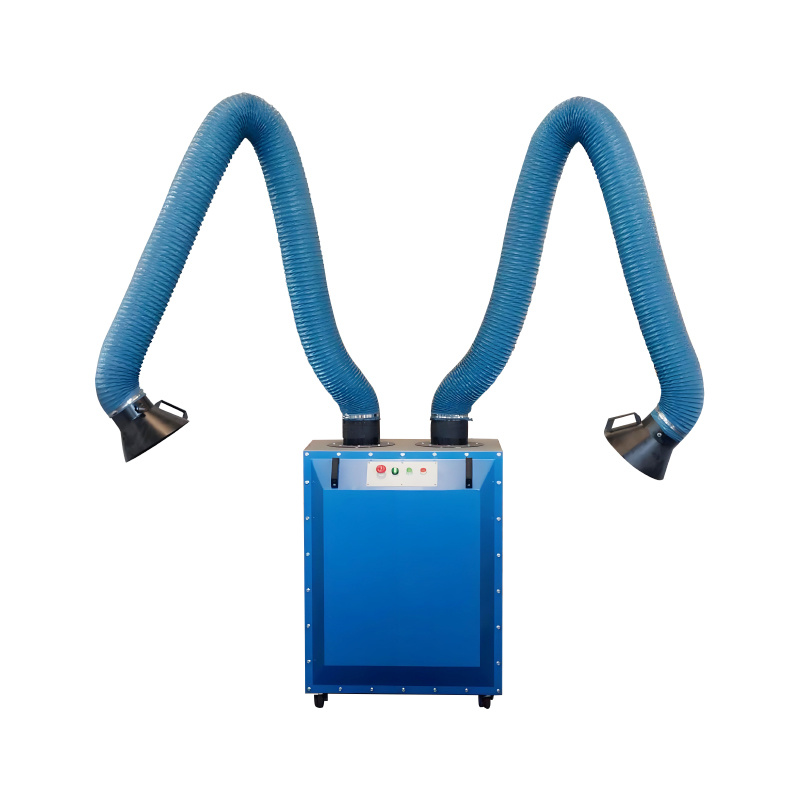
The mobility of the welding fume dust collector is also a crucial factor. For operations that involve multiple welding stations or require flexibility, portable dust collectors can be an ideal solution. These units are designed to be easily moved and positioned near the source of fumes, enhancing capture efficiency.
Regular maintenance of your welding fume dust collector is essential for optimal performance. Periodic cleaning and filter replacement will ensure that the system continues to operate effectively and prolong its lifespan. Additionally, consider implementing a monitoring system to track air quality and filter status, which can help you manage maintenance schedules proactively.
In conclusion, investing in a welding fume dust collector is not just about compliance; it's about safeguarding the health and safety of your workforce. By understanding the operational needs and making informed choices regarding filtration methods and maintenance practices, you can create a safer, more efficient work environment. Taking the time to select the right welding fume dust collector can lead to significant long-term benefits for your organization.
The primary function of a welding fume dust collector is to trap airborne contaminants generated during welding operations. These contaminants can include metal particles, oxides, and other toxic substances that may lead to respiratory issues and other health concerns. By integrating a dust collector into your welding processes, you can significantly reduce the concentration of these harmful agents in the air.
When selecting a welding fume dust collector, it's vital to consider several key factors. First, assess the volume of fumes and dust your operations generate. This will help you determine the appropriate airflow rate and filter efficiency required for your dust collector. Maintaining a sufficient airflow rate ensures that the system can adequately capture and filter contaminants before they disperse into the work environment.
Another important consideration is the type of filtration system. Welding fume dust collectors commonly use various filtration methods, including HEPA filters, electrostatic precipitators, and cartridge filters. HEPA filters, for instance, are highly effective at capturing fine particulate matter, making them an excellent choice for facilities with stringent air quality requirements. On the other hand, electrostatic precipitators are efficient in removing larger particles and are often used in heavy-duty applications.
The mobility of the welding fume dust collector is also a crucial factor. For operations that involve multiple welding stations or require flexibility, portable dust collectors can be an ideal solution. These units are designed to be easily moved and positioned near the source of fumes, enhancing capture efficiency.
Regular maintenance of your welding fume dust collector is essential for optimal performance. Periodic cleaning and filter replacement will ensure that the system continues to operate effectively and prolong its lifespan. Additionally, consider implementing a monitoring system to track air quality and filter status, which can help you manage maintenance schedules proactively.
In conclusion, investing in a welding fume dust collector is not just about compliance; it's about safeguarding the health and safety of your workforce. By understanding the operational needs and making informed choices regarding filtration methods and maintenance practices, you can create a safer, more efficient work environment. Taking the time to select the right welding fume dust collector can lead to significant long-term benefits for your organization.
Hot Tags:


Contact Us
Tel:
WeChat:
WhatsApp:
E-mail:
Address:
338 National Road South, Longfengdian Village, Botou City, Hebei Province, China
JiuznTomine is expertly delivering technically complicated projects in markets & provides custom solutions for their customized need.


CONTACT INFO
Tel: +86 18531710311
WeChat: +86-18531710311
338 National Road South, Longfengdian Village, Botou City, Hebei Province, China