












How Weather Conditions Impact the Efficiency of Galvanized Dust Removal Skeletons
Dec 04,2025
Understanding Galvanized Dust Removal Skeletons
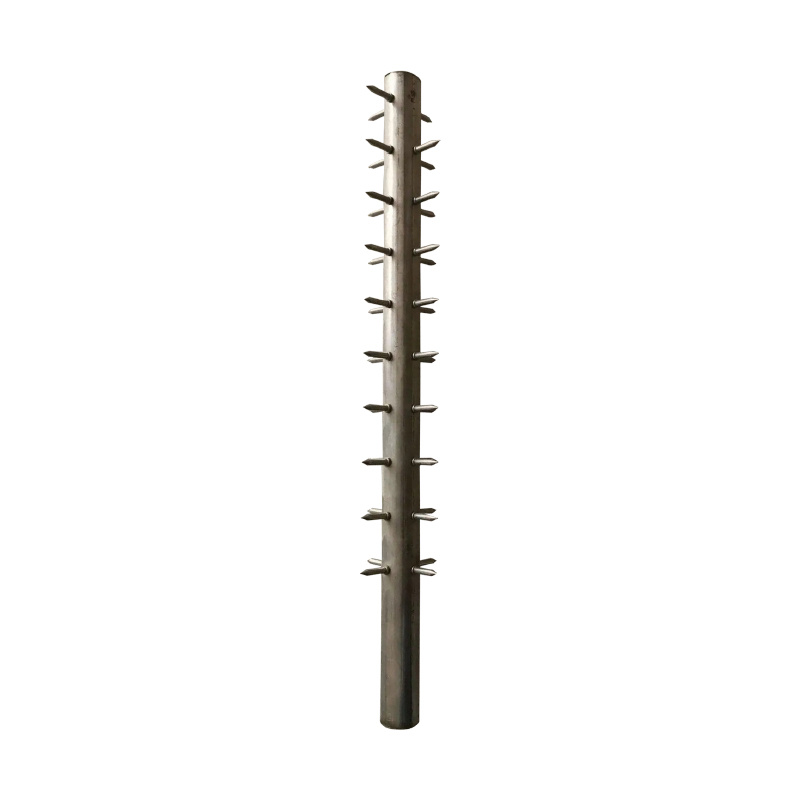
Galvanized dust removal skeletons play a vital role in industrial environments, serving as essential components in dust collection systems. Their primary function is to support filter media, ensuring efficient dust capture while maintaining structural integrity under various operational conditions. The effectiveness of these skeletons is significan

Understanding Galvanized Dust Removal Skeletons
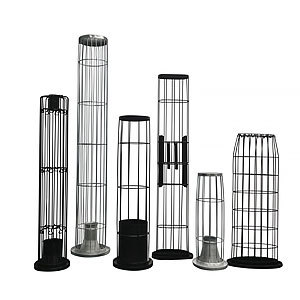
Galvanized dust removal skeletons play a vital role in industrial environments, serving as essential components in dust collection systems. Their primary function is to support filter media, ensuring efficient dust capture while maintaining structural integrity under various operational conditions. The effectiveness of these skeletons is significantly influenced by weather conditions, which can alter their performance and longevity.
The Importance of Weather Conditions in Industrial Settings
Weather conditions encompass a range of environmental factors, including temperature, humidity, precipitation, and wind speed. Each of these elements can affect the performance of galvanized dust removal skeletons in specific ways:
Temperature Variations
Temperature fluctuations can have a profound impact on the materials used in dust removal systems. High temperatures may lead to thermal expansion, potentially causing warping or structural failure in the skeleton. Conversely, extremely low temperatures can make materials brittle, increasing the risk of cracks and breaks. It's crucial to consider the temperature extremes prevalent in your area when selecting materials and designing your dust removal system.
Humidity Levels and Their Effects
Humidity plays a critical role in the operation of dust collection systems. High humidity can lead to the accumulation of moisture on the skeleton, which can promote corrosion and shorten the lifespan of the equipment. **Galvanization** provides a protective layer, but in continually damp conditions, even galvanized materials can succumb to rust over time. Lower humidity, while less likely to cause corrosion, can lead to static electricity buildup, which may affect dust collection efficiency.
Precipitation and Its Impact
Rain and snow can introduce additional challenges for dust removal systems. The presence of water can lead to clumping of dust particles, making them harder to capture efficiently. Additionally, if rainwater gets into the dust collection system, it can cause damage to internal components, necessitating costly repairs. Adequate drainage systems should be implemented to mitigate these risks.
Wind Speed and Direction
Wind can significantly influence the performance of dust collection systems, particularly in outdoor settings. High winds can disturb settled dust, leading to re-entrainment in the environment. Moreover, wind direction can affect the loading of dust particles on the skeleton, necessitating a design that can withstand varying wind pressures and maintain optimal performance.
Galvanized Dust Removal Skeleton Design Considerations
When designing a dust removal system, several factors should be considered to optimize performance under varying weather conditions.
Material Selection and Coating Options
Selecting the right material for the skeleton is critical. While galvanized steel is a popular choice due to its corrosion resistance, alternative materials such as stainless steel or powder-coated options may provide enhanced durability in specific environments. Evaluating the long-term costs associated with maintenance and replacement can also guide material selection.
Optimal Structural Design
The design of the dust removal skeleton should account for the specific weather conditions of the installation site. For example, in areas prone to high winds, a more robust frame design may be necessary to withstand pressure fluctuations. Additionally, incorporating features such as sloped surfaces can help facilitate the drainage of moisture.
Maintenance Strategies for Galvanized Dust Removal Skeletons
Regular maintenance is essential to ensure the longevity and efficiency of galvanized dust removal skeletons, particularly in challenging weather conditions.
Inspection and Cleaning Protocols
Developing a routine inspection and cleaning schedule will allow for early detection of potential issues such as rust or structural damage. Cleaning the skeleton regularly can prevent dust buildup, which can lead to operational inefficiencies.
Protective Coatings and Treatments
Applying protective coatings can extend the life of galvanized skeletons. **Anti-corrosive treatments** can provide an additional layer of defense against environmental factors, particularly in humid or corrosive environments.
Case Studies: Performance Under Different Weather Conditions
Examining real-world examples can provide valuable insights into how weather conditions impact the performance of galvanized dust removal skeletons.
Case Study 1: Coastal Environments
In coastal areas, where high humidity and saltwater exposure are prevalent, galvanized dust removal skeletons have shown signs of rapid corrosion. Regular inspections, coupled with protective coatings, have proven effective in extending the life of these systems.
Case Study 2: Arid Regions
In arid environments, the primary concerns have been dust particle size and static electricity. Here, the design adapted to include anti-static features, ensuring optimal dust capture even in low-humidity conditions.
Future Trends in Dust Removal Technologies
As industries continue to evolve, so do technologies surrounding dust removal systems.
Innovative Materials and Designs
Research into new materials that offer greater resistance to environmental factors without compromising structural integrity is ongoing. Advanced composites and nanotechnology-based coatings may revolutionize the industry, offering longer-lasting solutions.
Smart Dust Collection Systems
The emergence of smart technologies is transforming dust removal systems. Sensors that monitor environmental conditions and system performance in real-time can lead to more efficient operations and lower maintenance costs.
Conclusion
Understanding how weather conditions affect the performance of galvanized dust removal skeletons is crucial for maintaining effective dust collection systems. By considering factors such as temperature, humidity, precipitation, and wind, industries can make informed decisions regarding design and maintenance strategies. Emphasizing regular inspections and adopting innovative technologies will further enhance the efficiency and longevity of these essential components in industrial environments.
FAQs
What are galvanized dust removal skeletons?
Galvanized dust removal skeletons are structural components used in dust collection systems, providing support for filter media and enhancing dust capture efficiency.
How does humidity affect dust collection efficiency?
High humidity can lead to moisture accumulation on the skeleton, promoting corrosion and potentially impacting the system's overall performance.
What maintenance practices are essential for galvanized dust removal skeletons?
Regular inspections, cleaning, and applying protective coatings are critical maintenance practices to extend the life of galvanized dust removal skeletons.
Can high temperatures damage galvanized dust removal systems?
Yes, high temperatures can cause thermal expansion, leading to potential warping or structural failure in the skeleton if not designed appropriately.
What future trends should we expect in dust removal technology?
Expect to see advancements in materials, the adoption of smart technologies, and the development of more efficient dust collection systems, tailored to specific environmental conditions.
Hot Tags:


Contact Us
Tel:
WeChat:
WhatsApp:
E-mail:
Address:
338 National Road South, Longfengdian Village, Botou City, Hebei Province, China
JiuznTomine is expertly delivering technically complicated projects in markets & provides custom solutions for their customized need.


CONTACT INFO
Tel: +86 18531710311
WeChat: +86-18531710311
338 National Road South, Longfengdian Village, Botou City, Hebei Province, China