



































Understanding the Role of ESP Discharge Electrodes in Industrial Air Purification
Dec 02,2025
Electrostatic Precipitators (ESPs) are crucial components in industrial air purification systems, designed to remove particulate matter from exhaust gases. A key element within these systems is the ESP discharge electrode, which plays a vital role in the electrostatic precipitation process. Understanding how these electrodes function can greatly enhance the efficiency and efficacy of air pollution
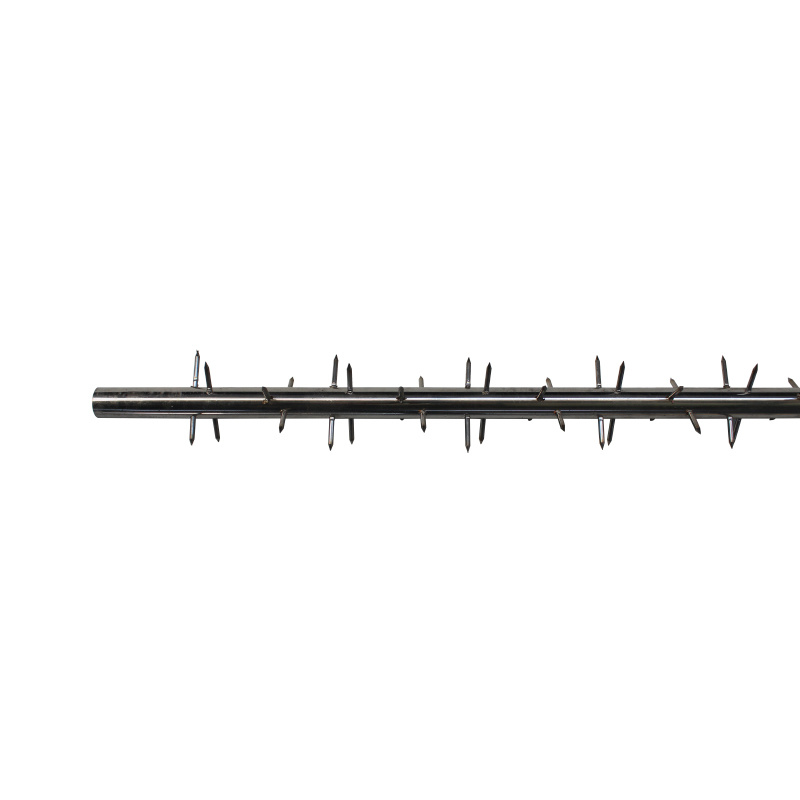
Electrostatic Precipitators (ESPs) are crucial components in industrial air purification systems, designed to remove particulate matter from exhaust gases. A key element within these systems is the ESP discharge electrode, which plays a vital role in the electrostatic precipitation process. Understanding how these electrodes function can greatly enhance the efficiency and efficacy of air pollution control devices.
ESPs operate on the principle of electrostatics, where particles suspended in the air are charged and subsequently collected on oppositely charged surfaces. The discharge electrode is responsible for generating a high-voltage electric field that ionizes the gas molecules around it, thus charging the particles. These charged particles are then attracted to the collection plates, which are grounded, facilitating their removal from the exhaust stream.
In industrial applications, the quality and design of ESP discharge electrodes significantly influence the overall performance of the air purification system. Factors such as material selection, electrode geometry, and spacing can affect the ionization efficiency and the rate at which particles are captured. Commonly used materials for discharge electrodes include stainless steel and other corrosion-resistant alloys, which ensure durability and longevity, especially in harsh industrial environments.
Regular maintenance of ESP discharge electrodes is crucial to maintain optimal performance. Over time, electrodes can become coated with dust, ash, or other contaminants, which can impede their ability to generate the necessary electric field. Routine inspections and cleaning protocols should be established to ensure that the electrodes remain effective. Additionally, monitoring the electrical parameters, such as voltage and current, can provide valuable insights into the health of the system and signal when maintenance is required.
The impact of well-functioning ESP discharge electrodes extends beyond mere compliance with air quality regulations; they are essential for optimizing the performance of the entire air purification system. By effectively removing particles from emissions, industries can significantly reduce their environmental footprint while also enhancing workplace safety and health for employees.
In conclusion, ESP discharge electrodes are integral to the success of air purification systems in industrial settings. Understanding their function, maintenance needs, and overall significance can lead to better air quality management practices and improved operational efficiency. With the proper attention to these critical components, industries can achieve both regulatory compliance and enhanced environmental performance.
ESPs operate on the principle of electrostatics, where particles suspended in the air are charged and subsequently collected on oppositely charged surfaces. The discharge electrode is responsible for generating a high-voltage electric field that ionizes the gas molecules around it, thus charging the particles. These charged particles are then attracted to the collection plates, which are grounded, facilitating their removal from the exhaust stream.
In industrial applications, the quality and design of ESP discharge electrodes significantly influence the overall performance of the air purification system. Factors such as material selection, electrode geometry, and spacing can affect the ionization efficiency and the rate at which particles are captured. Commonly used materials for discharge electrodes include stainless steel and other corrosion-resistant alloys, which ensure durability and longevity, especially in harsh industrial environments.
Regular maintenance of ESP discharge electrodes is crucial to maintain optimal performance. Over time, electrodes can become coated with dust, ash, or other contaminants, which can impede their ability to generate the necessary electric field. Routine inspections and cleaning protocols should be established to ensure that the electrodes remain effective. Additionally, monitoring the electrical parameters, such as voltage and current, can provide valuable insights into the health of the system and signal when maintenance is required.
The impact of well-functioning ESP discharge electrodes extends beyond mere compliance with air quality regulations; they are essential for optimizing the performance of the entire air purification system. By effectively removing particles from emissions, industries can significantly reduce their environmental footprint while also enhancing workplace safety and health for employees.
In conclusion, ESP discharge electrodes are integral to the success of air purification systems in industrial settings. Understanding their function, maintenance needs, and overall significance can lead to better air quality management practices and improved operational efficiency. With the proper attention to these critical components, industries can achieve both regulatory compliance and enhanced environmental performance.
Hot Tags:


Contact Us
Tel:
WeChat:
WhatsApp:
E-mail:
Address:
338 National Road South, Longfengdian Village, Botou City, Hebei Province, China
JiuznTomine is expertly delivering technically complicated projects in markets & provides custom solutions for their customized need.


CONTACT INFO
Tel: +86 18531710311
WeChat: +86-18531710311
338 National Road South, Longfengdian Village, Botou City, Hebei Province, China