











Top Features to Look for in High-Quality ESP Collecting Plates
Nov 30,2025
Introduction to ESP Collecting Plates
In the realm of industrial air purification, **Electrostatic Precipitators (ESPs)** play a pivotal role in controlling emissions and enhancing air quality. Among the critical components of ESPs are the **collecting plates**, which are responsible for capturing dust particles and other pollutants from the gas stream. In this article, we will delve deeply into
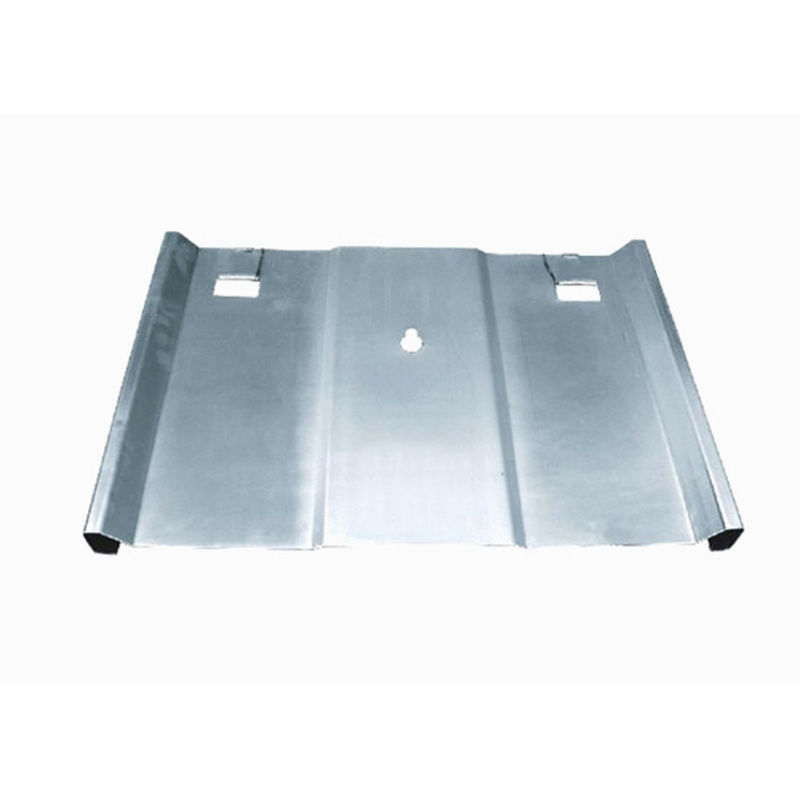
Introduction to ESP Collecting Plates
In the realm of industrial air purification, **Electrostatic Precipitators (ESPs)** play a pivotal role in controlling emissions and enhancing air quality. Among the critical components of ESPs are the **collecting plates**, which are responsible for capturing dust particles and other pollutants from the gas stream. In this article, we will delve deeply into the **top features to look for in high-quality ESP collecting plates**, ensuring they meet industry standards and perform optimally in various applications.
Understanding the Functionality of ESP Collecting Plates
To appreciate the features of high-quality ESP collecting plates, it's crucial to understand their functionality. ESPs utilize electrical charges to attract and capture particulate matter from industrial exhaust gases. The collecting plates serve as the surface where these particles adhere after being charged by the ionization process.
Key Operational Mechanisms of ESP Collecting Plates
1. **Ionization Process**: The gas stream is ionized, creating charged particles.
2. **Particle Attraction**: The charged particles are attracted to the oppositely charged collecting plates.
3. **Dust Accumulation**: As particles accumulate on the plates, they must be effectively removed to maintain efficiency.
Top Features of High-Quality ESP Collecting Plates
When evaluating ESP collecting plates, several features are paramount. These factors not only influence the efficiency and longevity of the equipment but also its overall performance in air purification.
Durability and Material Composition
**Durability** is one of the foremost features to consider. High-quality ESP collecting plates are typically constructed from materials that can withstand harsh industrial environments. Common materials include:
- **Stainless Steel**: Offers excellent corrosion resistance, ensuring longevity.
- **Carbon Steel**: While less expensive, it should be coated to enhance durability against corrosion.
Resistance to Abrasion and Temperature
In addition to corrosion resistance, the collecting plates must withstand **high temperatures** and **abrasive particles** without degrading. Selecting plates with high heat resistance can significantly reduce maintenance needs and prolong service life.
Surface Area and Design Efficiency
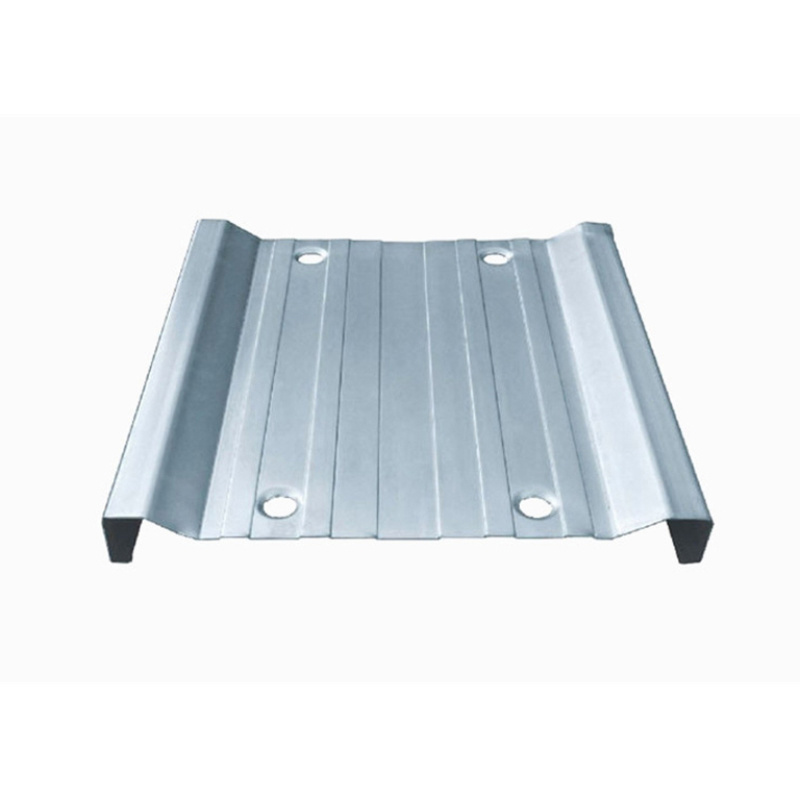
The design and surface area of the collecting plates directly affect their efficiency in capturing particles. Key design factors include:
- **Plate Spacing**: Optimal spacing allows for effective gas flow and particle collection without causing backpressure.
- **Surface Texturing**: Textured surfaces increase the effective surface area, enhancing dust adhesion.
Innovative Designs for Enhanced Collection
Some high-quality plates incorporate innovative designs, such as **corrugated patterns**. These designs can improve particle collection efficiency by increasing turbulence in the gas flow, allowing for more effective dust capture.
Electrical Conductivity and Charge Retention
Quality ESP collecting plates must possess **excellent electrical conductivity** to maintain optimal charge retention during operation. This characteristic ensures that particles remain attracted to the plates until they can be removed effectively.
Coatings and Treatments for Enhanced Performance
Some manufacturers apply specialized coatings that improve the plates' electrical properties, increase resistance to corrosion, or enhance dust release capabilities. These treatments can significantly improve the performance and lifespan of collecting plates.
Maintenance and Cleanability of ESP Collecting Plates
Maintenance is a crucial aspect of the overall efficiency of ESP systems. High-quality collecting plates should be designed for easy cleaning and maintenance.
Ease of Access
Designs that facilitate easy access to the collecting plates make routine maintenance less labor-intensive. Consider plates that can be removed without extensive disassembly of the ESP system.
Cleaning Methods
Optimal collecting plates support various cleaning methods, including:
- **Mechanical Cleaning**: Using brushes or scrapers to remove built-up dust.
- **Compressed Air Blowing**: A method that uses air pressure to dislodge dust particles.
Longevity and Replacement Considerations
The lifespan of collecting plates is a critical factor in operational costs. High-quality plates should not only resist wear and damage but also maintain their efficiency over time. Regular inspections can help determine when it’s necessary to replace or repair them.
Environmental Impact and Compliance with Regulations
High-quality ESP collecting plates contribute to the overall environmental performance of industrial operations. Compliance with local and international regulations regarding emissions is imperative.
Reducing Emissions and Improving Air Quality
Effective ESP collecting plates significantly reduce emissions of particulate matter into the atmosphere, thereby improving air quality. This compliance is essential for industries facing stringent regulatory scrutiny.
Choosing Plates that Meet Industry Standards
Opting for collecting plates that adhere to established industry standards, such as those set by the **Environmental Protection Agency (EPA)** or other regulatory bodies, ensures that operations remain compliant while promoting environmental sustainability.
Economic Considerations: Cost vs. Quality
When selecting ESP collecting plates, balancing cost and quality is essential. While lower-priced options may seem appealing, their long-term performance and maintenance costs can lead to increased expenses.
Return on Investment (ROI)
Investing in high-quality collecting plates may require a larger upfront expenditure but often results in lower maintenance needs, extended service life, and enhanced operational efficiencies. This balance contributes to a more favorable ROI in the long run.
Evaluating Suppliers and Manufacturers
When purchasing ESP collecting plates, it is crucial to evaluate potential suppliers based on:
- **Reputation**: Look for manufacturers with a proven track record of high-quality products.
- **Warranty and Support**: A strong warranty and customer support indicate confidence in product quality.
Conclusion
In conclusion, the selection of high-quality ESP collecting plates is critical for the effective operation of Electrostatic Precipitators within industrial environments. By focusing on **durability**, **design efficiency**, and **ease of maintenance**, industries can ensure superior performance and compliance with environmental regulations. Investing in quality plates not only enhances operational efficiency but also contributes to long-term cost savings and improved air quality. Remember, the right choices today can lead to better environmental responsibility and profitability tomorrow.
FAQs
1. What are ESP collecting plates made from?
High-quality ESP collecting plates are typically made from materials like stainless steel or carbon steel, often treated to resist corrosion and abrasion.
2. How often should ESP collecting plates be cleaned?
The frequency of cleaning depends on the dust load and operational conditions. Regular inspections can help determine the optimal cleaning schedule.
3. Can collecting plates be recycled?
Yes, many materials used in ESP collecting plates, such as metals, can be recycled after their service life.
4. What is the expected lifespan of ESP collecting plates?
The lifespan varies based on material and operational conditions but can typically range from several years to over a decade with proper maintenance.
5. Are there specific regulations for ESP emissions?
Yes, various regulations exist, typically set by environmental protection agencies, which govern acceptable emissions levels for industrial operations.
Hot Tags:


Contact Us
Tel:
WeChat:
WhatsApp:
E-mail:
Address:
338 National Road South, Longfengdian Village, Botou City, Hebei Province, China
JiuznTomine is expertly delivering technically complicated projects in markets & provides custom solutions for their customized need.


CONTACT INFO
Tel: +86 18531710311
WeChat: +86-18531710311
338 National Road South, Longfengdian Village, Botou City, Hebei Province, China