











Comprehensive Guide to Baghouse Dust Collectors: Enhancing Industrial Air Quality
Nov 28,2025
Baghouse Dust Collectors are vital components in various industrial processes that generate airborne dust and particulate matter. These systems utilize a series of fabric filters or envelopes to capture dust particles from the air, ensuring cleaner emissions and providing a healthier workspace. The principle behind baghouse systems is relatively straightforward; as the contaminated air passes thro
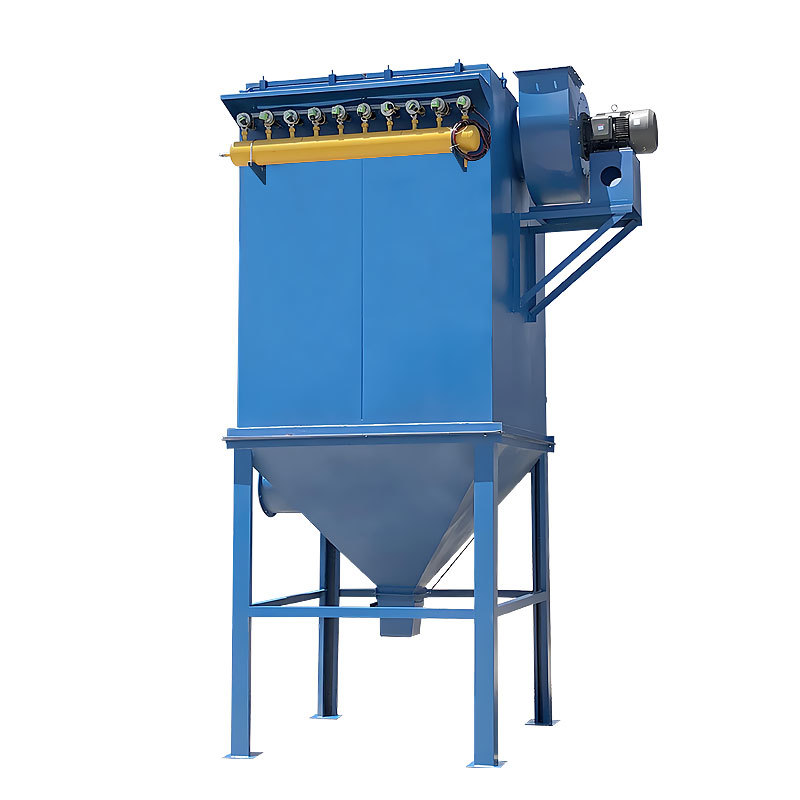
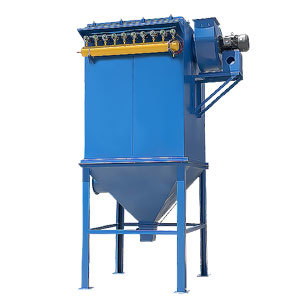
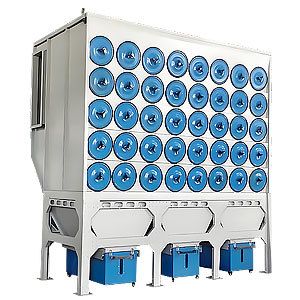
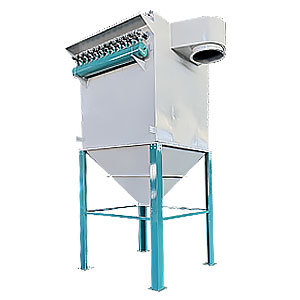
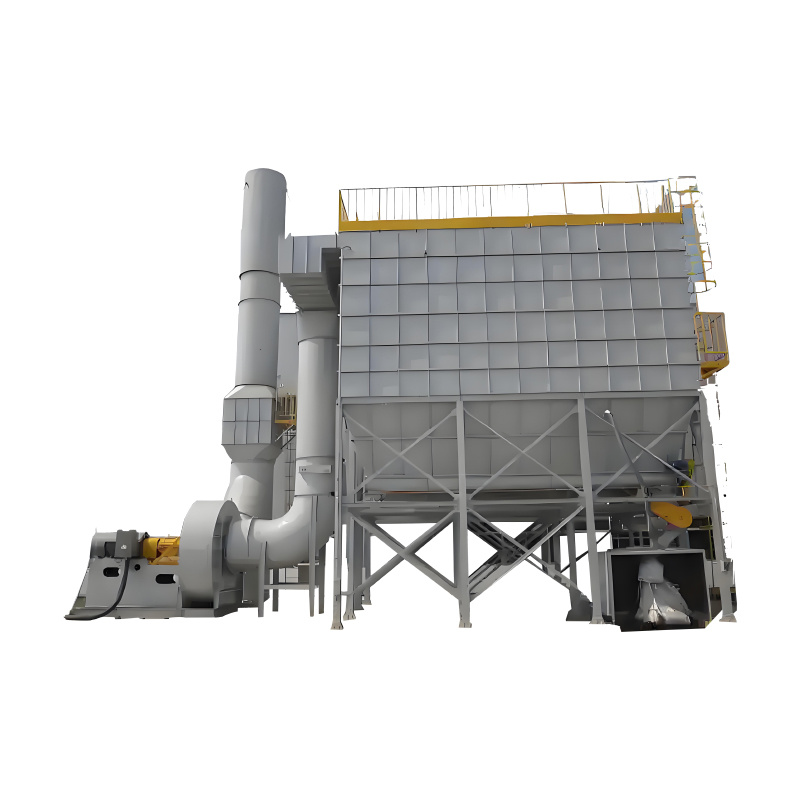
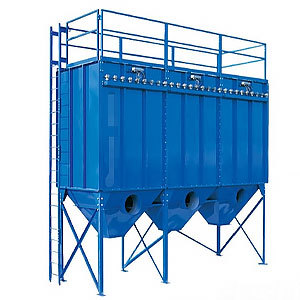
Baghouse Dust Collectors are vital components in various industrial processes that generate airborne dust and particulate matter. These systems utilize a series of fabric filters or envelopes to capture dust particles from the air, ensuring cleaner emissions and providing a healthier workspace. The principle behind baghouse systems is relatively straightforward; as the contaminated air passes through the filter bags, dust particles are trapped while clean air is released back into the atmosphere.
One of the primary advantages of Baghouse Dust Collectors is their efficiency in capturing a high percentage of fine particles. Depending on the application, they can achieve dust collection efficiencies exceeding 99%. This is crucial in industries such as metalworking, woodworking, food processing, and pharmaceuticals, where airborne particulates can pose health risks and violate regulatory standards.
Furthermore, Baghouse Dust Collectors are designed to handle a wide range of particulate sizes, from large wood chips to fine powders. The flexibility in design allows these systems to be customized based on the specific dust characteristics and operational conditions. For example, certain models may include features like self-cleaning mechanisms, which help maintain airflow and filter longevity, reducing operational downtime and maintenance costs.
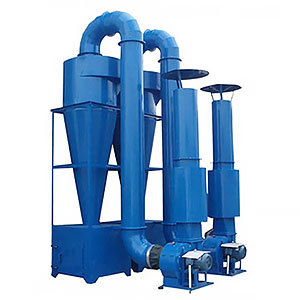
In addition to their dust collection capabilities, Baghouse systems can be integrated with other technologies, such as cyclones or scrubbers, to enhance overall air quality management. This versatility is particularly beneficial in complex industrial setups where multiple sources of dust generation exist. By combining technologies, facilities can implement a comprehensive air pollution control strategy that maximizes efficiency and compliance with environmental regulations.
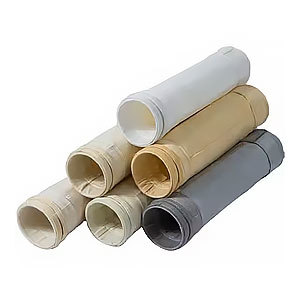
When selecting a Baghouse Dust Collector, it’s essential to consider factors such as air volume, particulate size, and the specific industry requirements. Understanding the system’s filtration media is also critical, as different materials offer distinct advantages in terms of dust release, temperature tolerance, and chemical resistance.
Ultimately, investing in a Baghouse Dust Collector not only improves air quality but also contributes to a safer work environment and potentially higher productivity. By minimizing dust accumulation, these systems can reduce equipment wear and tear, leading to lower maintenance costs and extended equipment lifespan.
In conclusion, Baghouse Dust Collectors are indispensable devices in the industrial landscape, offering effective solutions for dust management and air purification. Their robust design and operational efficiency make them a preferred choice for many industries looking to enhance their air quality while meeting stringent regulatory requirements. Understanding how these systems work and their benefits can empower businesses to make informed decisions about their air pollution control strategies.
One of the primary advantages of Baghouse Dust Collectors is their efficiency in capturing a high percentage of fine particles. Depending on the application, they can achieve dust collection efficiencies exceeding 99%. This is crucial in industries such as metalworking, woodworking, food processing, and pharmaceuticals, where airborne particulates can pose health risks and violate regulatory standards.
Furthermore, Baghouse Dust Collectors are designed to handle a wide range of particulate sizes, from large wood chips to fine powders. The flexibility in design allows these systems to be customized based on the specific dust characteristics and operational conditions. For example, certain models may include features like self-cleaning mechanisms, which help maintain airflow and filter longevity, reducing operational downtime and maintenance costs.
In addition to their dust collection capabilities, Baghouse systems can be integrated with other technologies, such as cyclones or scrubbers, to enhance overall air quality management. This versatility is particularly beneficial in complex industrial setups where multiple sources of dust generation exist. By combining technologies, facilities can implement a comprehensive air pollution control strategy that maximizes efficiency and compliance with environmental regulations.
When selecting a Baghouse Dust Collector, it’s essential to consider factors such as air volume, particulate size, and the specific industry requirements. Understanding the system’s filtration media is also critical, as different materials offer distinct advantages in terms of dust release, temperature tolerance, and chemical resistance.
Ultimately, investing in a Baghouse Dust Collector not only improves air quality but also contributes to a safer work environment and potentially higher productivity. By minimizing dust accumulation, these systems can reduce equipment wear and tear, leading to lower maintenance costs and extended equipment lifespan.
In conclusion, Baghouse Dust Collectors are indispensable devices in the industrial landscape, offering effective solutions for dust management and air purification. Their robust design and operational efficiency make them a preferred choice for many industries looking to enhance their air quality while meeting stringent regulatory requirements. Understanding how these systems work and their benefits can empower businesses to make informed decisions about their air pollution control strategies.
Hot Tags:


Contact Us
Tel:
WeChat:
WhatsApp:
E-mail:
Address:
338 National Road South, Longfengdian Village, Botou City, Hebei Province, China
JiuznTomine is expertly delivering technically complicated projects in markets & provides custom solutions for their customized need.


CONTACT INFO
Tel: +86 18531710311
WeChat: +86-18531710311
338 National Road South, Longfengdian Village, Botou City, Hebei Province, China