











Essential Bag Dust Collector Maintenance Tips for Enhanced Performance
Nov 26,2025
Essential Bag Dust Collector Maintenance Tips for Enhanced Performance
Bag dust collectors play a crucial role in maintaining air quality and ensuring compliance with industrial standards. Regular maintenance not only enhances their performance but also extends their lifespan. This article provides detailed maintenance tips for bag dust collectors, ensuring they operate at peak efficiency.
Underst
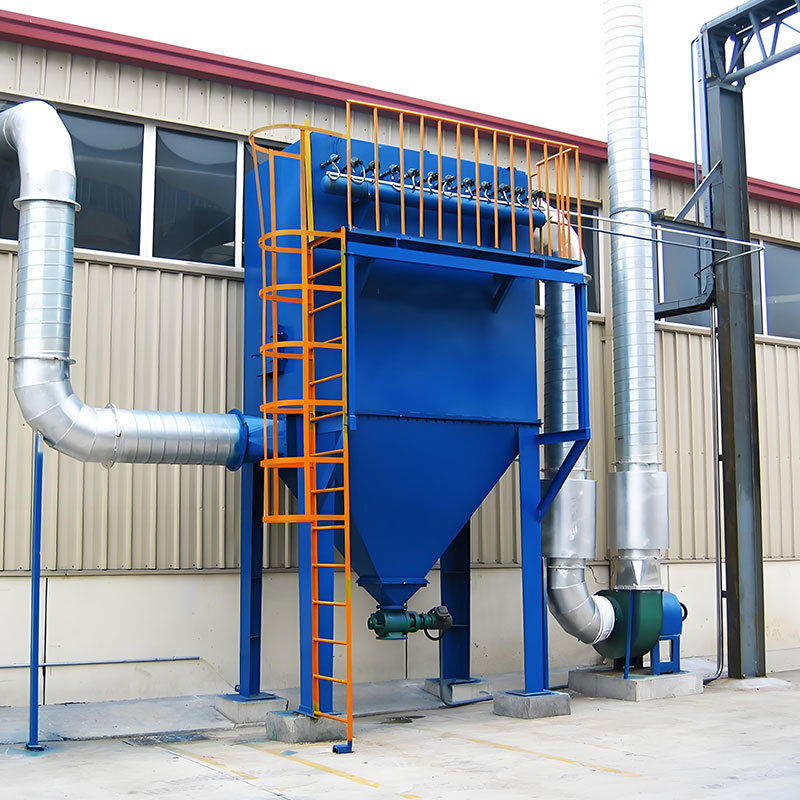
Essential Bag Dust Collector Maintenance Tips for Enhanced Performance
Bag dust collectors play a crucial role in maintaining air quality and ensuring compliance with industrial standards. Regular maintenance not only enhances their performance but also extends their lifespan. This article provides detailed maintenance tips for bag dust collectors, ensuring they operate at peak efficiency.
Understanding Bag Dust Collectors
Bag dust collectors are devices designed to capture and filter particles from the air. They work using a combination of mechanical and electrical components to remove dust and other contaminants from the environment, ensuring a safer workplace.
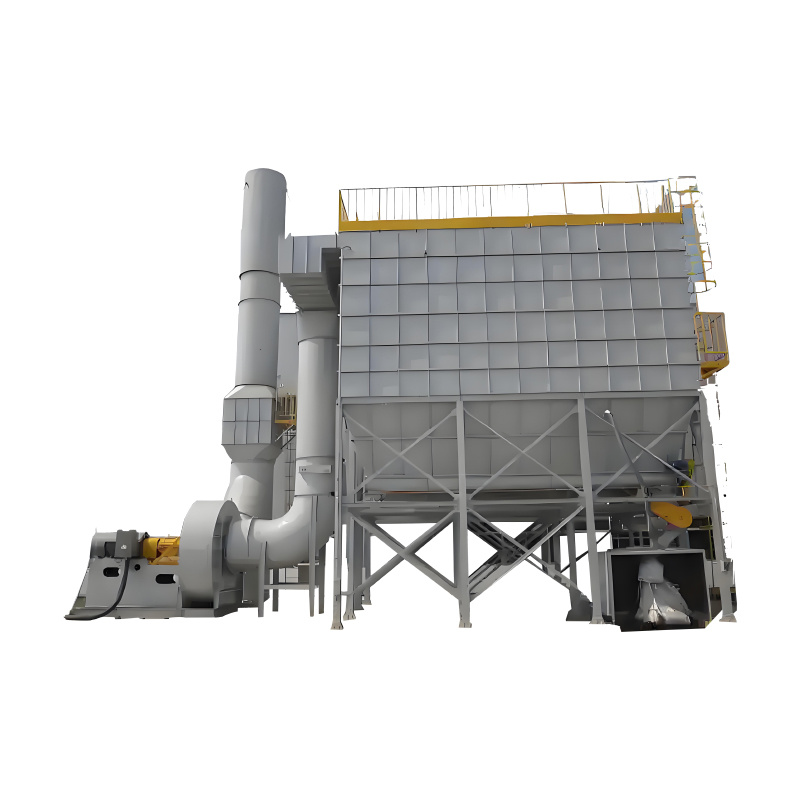
Key Components of Bag Dust Collectors
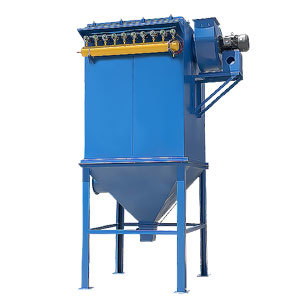
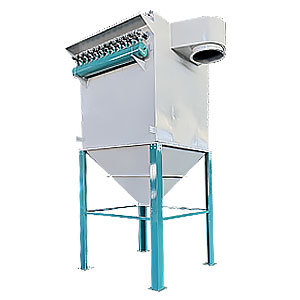
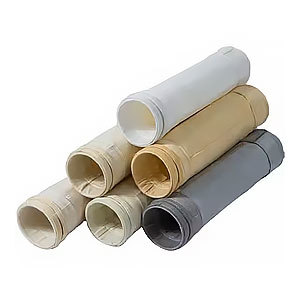
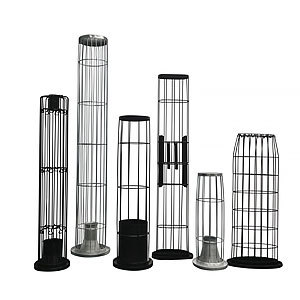
1. **Filter Bags**: The primary component that traps dust particles. Regular inspection and replacement of filter bags are essential for optimal performance.
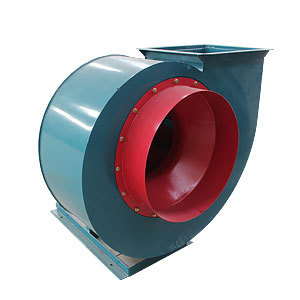
2. **Fan and Blower**: These components create the airflow necessary for the dust collection process. Proper maintenance ensures uninterrupted airflow.
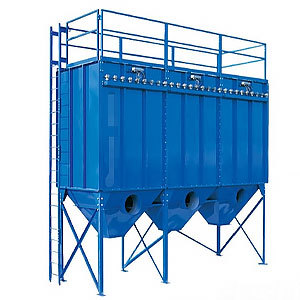
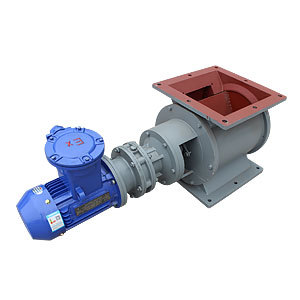
3. **Hoppers and Discharge Mechanisms**: These collect the captured dust. Ensuring they are free from blockages is crucial for maintaining efficiency.
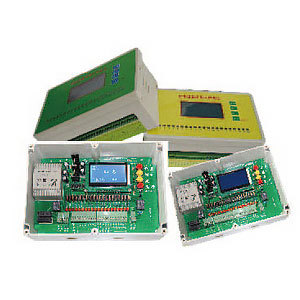
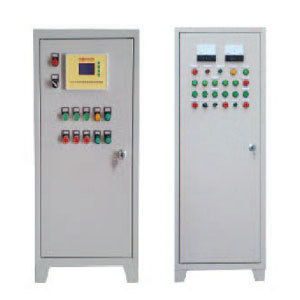
4. **Control Systems**: Automated settings help monitor and optimize the collector’s performance. Regular software updates and checks are necessary for reliable operation.
The Importance of Regular Maintenance
Conducting regular maintenance on bag dust collectors is essential for several reasons:
1. Improved Air Quality
Maintaining proper airflow and filtration helps reduce airborne contaminants, ensuring a healthier work environment.
2. Enhanced Efficiency
Clean and well-maintained dust collectors operate more efficiently, leading to reduced energy consumption and lower operational costs.
3. Prolonged Equipment Life
Regular maintenance minimizes wear and tear on components, extending the overall lifespan of the dust collection system.
4. Compliance with Regulations
Regular maintenance ensures compliance with environmental and safety regulations, reducing the risk of fines and legal issues.
Bag Dust Collector Maintenance Checklist
To ensure your bag dust collector runs smoothly, adhere to the following maintenance checklist:
1. Regular Inspection
Inspect filter bags, hoppers, and discharge mechanisms weekly for signs of wear or blockage. Early detection of issues can prevent more significant problems down the line.
2. Cleaning Filter Bags
Use compressed air to clean filter bags regularly. This process removes accumulated dust, prevents clogging, and maintains airflow.
3. Check for Leaks
Inspect all joints and seals for air leaks. Addressing leaks quickly prevents loss of suction and maintains system efficiency.
4. Monitor Airflow Rates
Regularly check the airflow rates against manufacturer specifications. Significant deviations may indicate filter bag blockage or fan issues.
5. Conduct Electrical and Mechanical Checks
Ensure all electrical components and mechanical parts function correctly. Look for signs of wear, and replace any faulty parts to avoid breakdowns.
Best Practices for Bag Dust Collector Maintenance
Implementing best practices can lead to a more efficient dust collection system.
1. Develop a Maintenance Schedule
Creating a detailed maintenance schedule helps ensure that all tasks are completed in a timely manner. Include daily, weekly, monthly, and quarterly tasks for thorough maintenance.
2. Train Personnel
Ensure that all personnel involved in operating and maintaining the dust collector are well-trained. Providing proper training enhances safety and efficiency.
3. Keep Documentation
Maintain detailed records of all maintenance activities, inspections, and repairs. This documentation can help identify patterns, predict failures, and improve future maintenance strategies.
4. Use Quality Replacement Parts
When replacing components, always opt for high-quality, OEM (original equipment manufacturer) parts. This ensures compatibility and reliability.
Common Issues and Troubleshooting Tips
Even with regular maintenance, issues may arise. Here are some common problems and troubleshooting tips:
1. Reduced Airflow
If you notice a drop in airflow, check for clogged filter bags, blockages in ductwork, or malfunctioning fans. Address the issue promptly to restore performance.
2. Excessive Dust Emission
If dust is escaping into the environment, inspect the filter bags for tears or damage. Replace any compromised bags immediately.
3. Unusual Noises
Strange noises may indicate mechanical issues within the fan or other moving parts. Shut down the system and investigate the source of the noise before continuing operation.
4. Frequent System Shutdowns
Frequent shutdowns may be due to overloading or electrical issues. Check the control system and review airflow rates to find the root cause.
Safety Considerations During Maintenance
Safety should be a priority during maintenance activities. Here are some safety considerations:
1. Personal Protective Equipment (PPE)
Always wear appropriate PPE, including masks, gloves, and goggles, to protect against dust exposure and potential hazards.
2. Lockout/Tagout Procedures
Implement lockout/tagout procedures to ensure that the dust collector cannot be accidentally turned on during maintenance.
3. Training and Awareness
Regularly train staff on safety practices and emergency protocols to minimize the risk of accidents during maintenance.
FAQs About Bag Dust Collector Maintenance
1. How often should I replace filter bags in my dust collector?
It depends on usage, but typically every 6-12 months. Monitor their condition regularly for signs of wear.
2. What are the signs that my dust collector needs maintenance?
Signs include reduced airflow, excessive noise, and dust leakage. Address these issues immediately to maintain performance.
3. Can I clean filter bags myself?
Yes, you can clean filter bags using compressed air. However, ensure you follow safety protocols and manufacturer recommendations.
4. How can I improve the lifespan of my dust collector?
Regular maintenance, proper training, and using quality replacement parts will greatly enhance the lifespan of your dust collector.
5. What should I do if I encounter a malfunction?
If you encounter a malfunction, stop using the dust collector and conduct a thorough inspection. Consult a professional if necessary to troubleshoot the issue.
Conclusion
In conclusion, regular maintenance of bag dust collectors is essential for ensuring optimal performance and extending equipment lifespan. By following these tips and best practices, you can enhance air quality, improve efficiency, and maintain compliance with industry regulations. Remember to prioritize safety during maintenance activities and keep thorough records to track your system's performance. With proper care, your bag dust collector will serve your industrial needs efficiently for years to come.
Hot Tags:


Contact Us
Tel:
WeChat:
WhatsApp:
E-mail:
Address:
338 National Road South, Longfengdian Village, Botou City, Hebei Province, China
JiuznTomine is expertly delivering technically complicated projects in markets & provides custom solutions for their customized need.


CONTACT INFO
Tel: +86 18531710311
WeChat: +86-18531710311
338 National Road South, Longfengdian Village, Botou City, Hebei Province, China