













Understanding Baghouse Dust Collection Systems: A Comprehensive Guide for Industrial Professionals
Apr 04,2025
Baghouse dust collection systems play a crucial role in maintaining air quality and ensuring compliance with environmental regulations in various industrial settings. These systems are designed to capture and filter airborne dust, particulate matter, and other pollutants generated during manufacturing processes, thus minimizing their release into the atmosphere.
The core component of a baghouse d

Baghouse dust collection systems play a crucial role in maintaining air quality and ensuring compliance with environmental regulations in various industrial settings. These systems are designed to capture and filter airborne dust, particulate matter, and other pollutants generated during manufacturing processes, thus minimizing their release into the atmosphere.
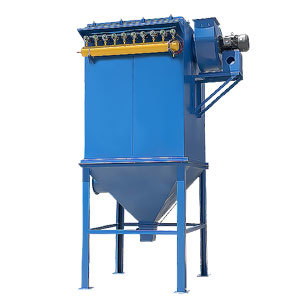
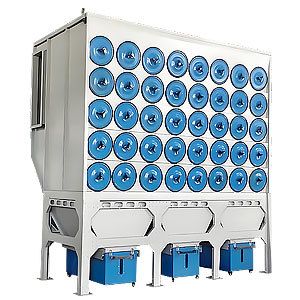
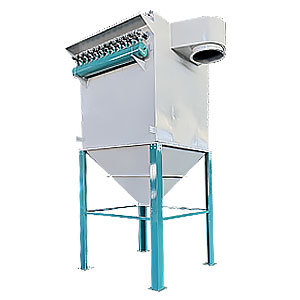
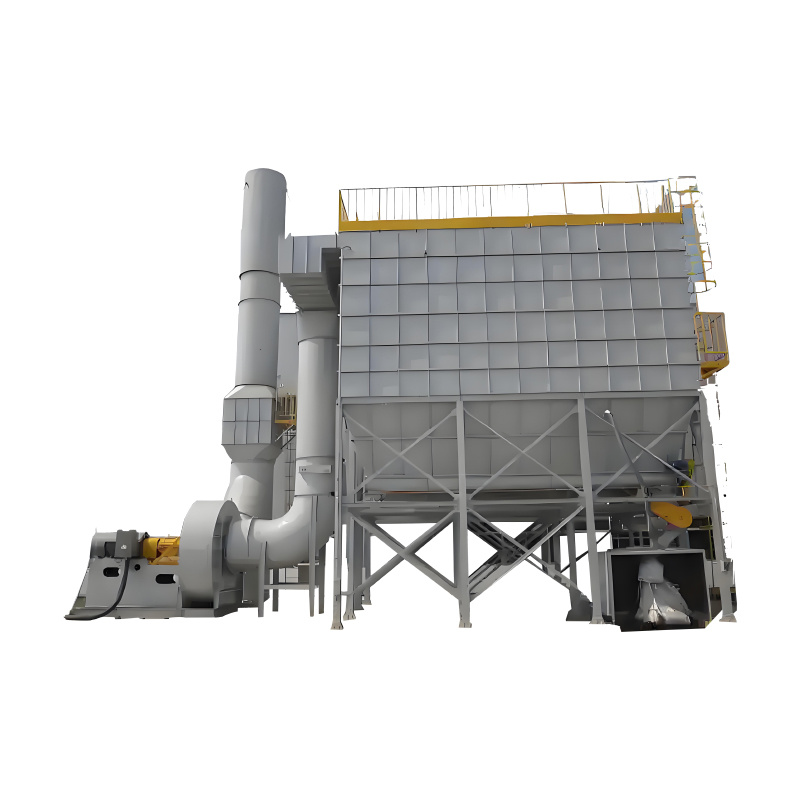
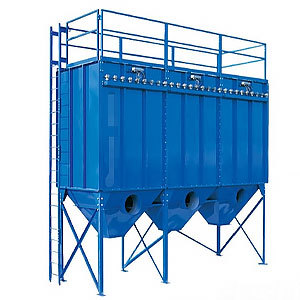
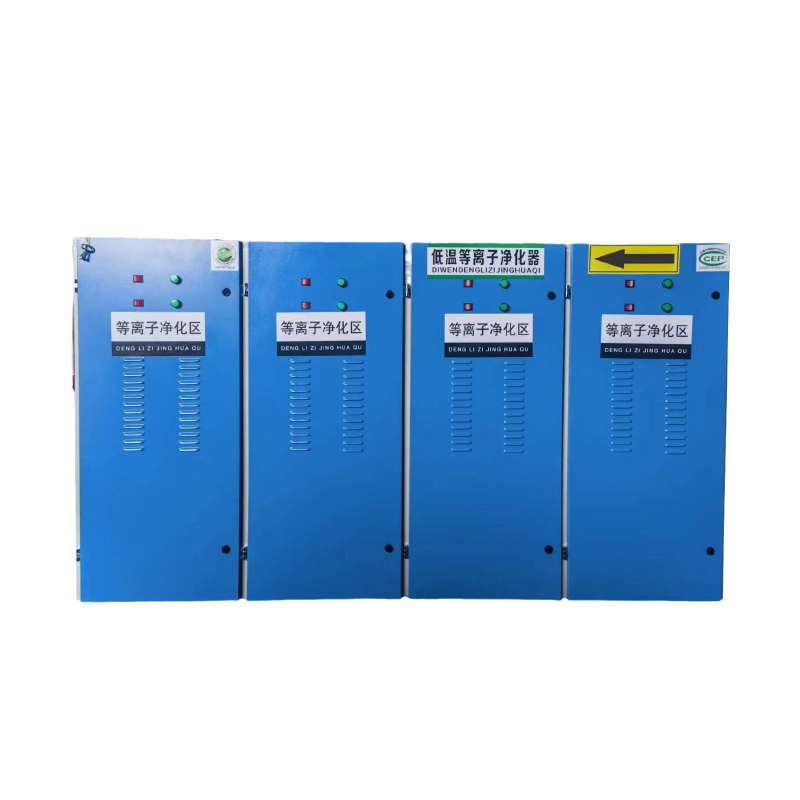
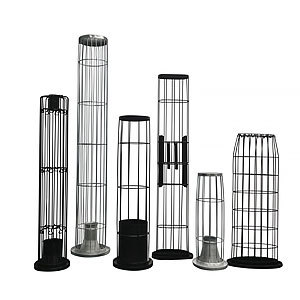
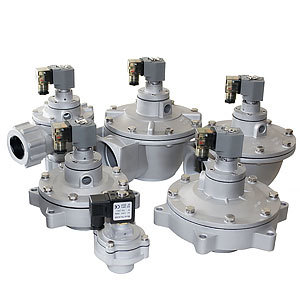
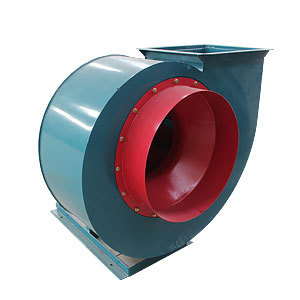
The core component of a baghouse dust collection system is the filtration media, typically made from woven or felted fabric material. This media is housed in a large container, or "baghouse," where it effectively captures dust particles while allowing clean air to pass through. The captured dust is then periodically removed, either through mechanical shaking or pneumatic systems, to maintain the efficiency of the filter and ensure optimal airflow.
One of the primary advantages of baghouse dust collection systems is their ability to handle large volumes of dust. Many industrial processes, such as those in the pharmaceutical, metalworking, and wood processing industries, produce significant amounts of particulate matter. Baghouse systems are engineered to accommodate these high dust loads without compromising performance, making them ideal for various applications.
Moreover, baghouse systems can be customized to suit specific needs. Different types of filter bags can be utilized, depending on the nature of the dust being collected. For instance, some materials are better suited for high-temperature environments, while others are designed to resist chemical exposure. This versatility ensures that industries can maintain efficient dust control tailored to their operational parameters.
Another critical aspect to consider is the maintenance of baghouse systems. Regular inspections and cleaning are vital to ensure the longevity and efficiency of the filters. Implementing a routine maintenance schedule can help identify potential issues early and reduce downtime, ultimately leading to improved workplace safety and productivity.
The installation of a baghouse dust collection system also plays a significant role in regulatory compliance. Many industries are subject to strict air quality regulations, and a properly functioning baghouse can help meet these standards, protecting both the environment and public health. Furthermore, by reducing airborne contaminants, these systems contribute to a safer working environment, which can lead to fewer health-related issues among employees.
In conclusion, baghouse dust collection systems are an integral part of industrial air quality management. Their ability to effectively capture and filter dust not only ensures compliance with environmental regulations but also promotes a healthier workplace. By understanding the various components, maintenance requirements, and benefits of these systems, industrial professionals can make informed decisions that enhance operational efficiency and safety.
The core component of a baghouse dust collection system is the filtration media, typically made from woven or felted fabric material. This media is housed in a large container, or "baghouse," where it effectively captures dust particles while allowing clean air to pass through. The captured dust is then periodically removed, either through mechanical shaking or pneumatic systems, to maintain the efficiency of the filter and ensure optimal airflow.
One of the primary advantages of baghouse dust collection systems is their ability to handle large volumes of dust. Many industrial processes, such as those in the pharmaceutical, metalworking, and wood processing industries, produce significant amounts of particulate matter. Baghouse systems are engineered to accommodate these high dust loads without compromising performance, making them ideal for various applications.
Moreover, baghouse systems can be customized to suit specific needs. Different types of filter bags can be utilized, depending on the nature of the dust being collected. For instance, some materials are better suited for high-temperature environments, while others are designed to resist chemical exposure. This versatility ensures that industries can maintain efficient dust control tailored to their operational parameters.
Another critical aspect to consider is the maintenance of baghouse systems. Regular inspections and cleaning are vital to ensure the longevity and efficiency of the filters. Implementing a routine maintenance schedule can help identify potential issues early and reduce downtime, ultimately leading to improved workplace safety and productivity.
The installation of a baghouse dust collection system also plays a significant role in regulatory compliance. Many industries are subject to strict air quality regulations, and a properly functioning baghouse can help meet these standards, protecting both the environment and public health. Furthermore, by reducing airborne contaminants, these systems contribute to a safer working environment, which can lead to fewer health-related issues among employees.
In conclusion, baghouse dust collection systems are an integral part of industrial air quality management. Their ability to effectively capture and filter dust not only ensures compliance with environmental regulations but also promotes a healthier workplace. By understanding the various components, maintenance requirements, and benefits of these systems, industrial professionals can make informed decisions that enhance operational efficiency and safety.
Hot Tags:


Contact Us
Tel:
WeChat:
WhatsApp:
E-mail:
Address:
338 National Road South, Longfengdian Village, Botou City, Hebei Province, China
JiuznTomine is expertly delivering technically complicated projects in markets & provides custom solutions for their customized need.


CONTACT INFO
Tel: +86 18531710311
WeChat: +86-18531710311
338 National Road South, Longfengdian Village, Botou City, Hebei Province, China