













Understanding the Importance of a Baghouse Dust Collector in Industrial Air Quality
Apr 09,2025
Understanding the Importance of a Baghouse Dust Collector in Industrial Air Quality
Table of Contents
1. Introduction
2. What Is a Baghouse Dust Collector?
3. How Baghouse Dust Collectors Work
4. Benefits of Baghouse Dust Collectors
5. Regulatory Standards and Air Quality Management
6. Design Considerations for Baghouse Systems
7. Maintenance Best Practices for Baghous

Understanding the Importance of a Baghouse Dust Collector in Industrial Air Quality
Table of Contents
- 1. Introduction
- 2. What Is a Baghouse Dust Collector?
- 3. How Baghouse Dust Collectors Work
- 4. Benefits of Baghouse Dust Collectors
- 5. Regulatory Standards and Air Quality Management
- 6. Design Considerations for Baghouse Systems
- 7. Maintenance Best Practices for Baghouse Dust Collectors
- 8. Conclusion
- 9. FAQs
1. Introduction
In today's industrial landscape, the importance of maintaining optimal air quality cannot be overstated. Facilities that manage dust and airborne particulates effectively not only comply with regulations but also enhance workplace safety and productivity. Baghouse dust collectors are pivotal in achieving these objectives. This article explores the fundamental role these systems play in improving air quality in industrial settings, focusing on their operation, benefits, design, and maintenance.
2. What Is a Baghouse Dust Collector?
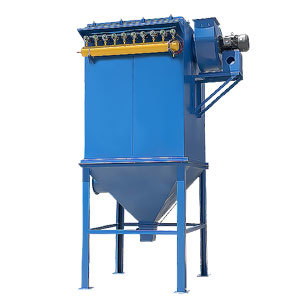
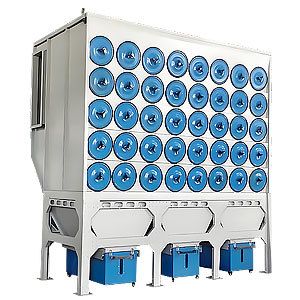
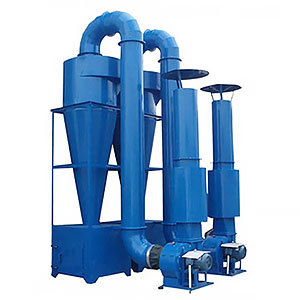
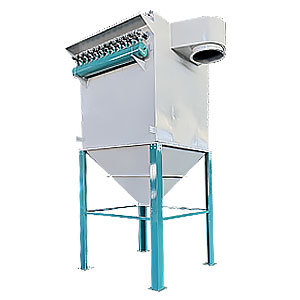
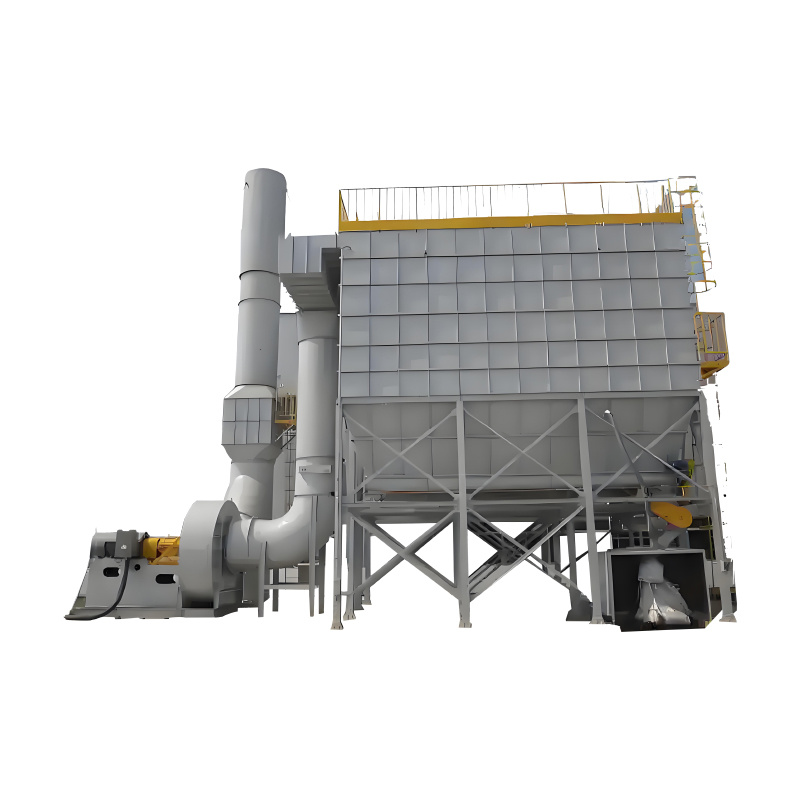
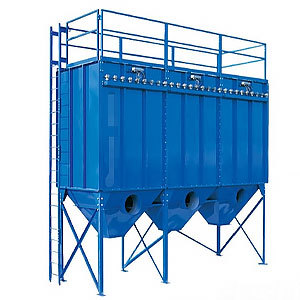
A baghouse dust collector is a specialized air pollution control device designed to filter and capture particulate matter from industrial processes. These systems utilize fabric filter bags to trap dust and other contaminants, ensuring that clean air is released into the environment. Baghouse systems are widely used in various industries, including manufacturing, pharmaceuticals, food processing, and mining, due to their efficiency and reliability.
Types of Baghouse Dust Collectors
Baghouse dust collectors come in various configurations to suit different operational needs. The primary types include:
- **Pulse Jet Baghouse Collectors:** These systems utilize compressed air pulses to clean the filter bags, allowing for continuous operation while effectively removing accumulated dust.
- **Shaker Baghouse Collectors:** In this design, the filter bags are mechanically shaken to dislodge dust, making it suitable for applications with less demanding filtration requirements.
- **Reverse Air Baghouse Collectors:** These systems use reverse airflow to clean the bags, often employed in applications requiring high dust removal efficiency.
3. How Baghouse Dust Collectors Work
The operation of a baghouse dust collector involves several key steps:
1. **Dust-Laden Air Inlet:** Air containing dust and particulates enters the baghouse through an inlet.
2. **Filtration Process:** The air passes through fabric filter bags, which capture dust particles while allowing clean air to flow through.
3. **Dust Accumulation:** As dust accumulates on the surface of the filter bags, the airflow resistance increases.
4. **Cleaning Cycle:** Depending on the type of baghouse, a cleaning mechanism (either pulse jet or shaker) is activated to remove the accumulated dust from the bags.
5. **Collection of Dust:** The dislodged dust falls into a hopper or bin for proper disposal or recycling.
6. **Exhaust Outlet:** The cleaned air is then discharged back into the atmosphere, meeting air quality standards.
4. Benefits of Baghouse Dust Collectors
Implementing a baghouse dust collector offers numerous advantages, including but not limited to:
Enhanced Air Quality
By effectively capturing dust and particulates, baghouse systems significantly improve air quality, ensuring a healthier work environment.
Regulatory Compliance
Baghouse collectors help facilities meet stringent environmental regulations, reducing the risk of penalties and enhancing corporate responsibility.
Increased Worker Safety
Cleaner air translates to fewer respiratory problems and other health issues for workers, leading to improved overall safety and productivity.
Cost Efficiency
Although the initial investment may be substantial, the long-term savings on healthcare costs, regulatory fines, and improved operational efficiency often outweigh the expenditure.
Versatility
Baghouse dust collectors can be tailored to meet the specific needs and processes of various industries, making them highly adaptable.
5. Regulatory Standards and Air Quality Management
Air quality regulations are enforced by various organizations, including the Environmental Protection Agency (EPA) in the United States and similar bodies globally. These regulations set permissible limits for particulate emissions, compelling industries to implement effective air pollution control measures.
Understanding Compliance Requirements
Failure to comply with air quality regulations can lead to severe consequences, including hefty fines, operational shutdowns, and reputational damage. Baghouse dust collectors are instrumental in helping businesses adhere to these requirements, making them an essential part of environmental management strategies.
6. Design Considerations for Baghouse Systems
When selecting a baghouse dust collector, several design factors should be considered to ensure optimal performance:
Airflow Requirements
Understanding the volume of air that needs filtration is crucial for selecting the appropriate baghouse design and sizing.
Material Properties
The type of material being processed will influence the choice of filter media. Different fabrics have varying resistance to chemicals, temperatures, and abrasion.
Dust Characteristics
The size, shape, and composition of the dust particles will dictate the filtration efficiency required, affecting bag selection and design.
Space Availability
Consideration must be given to the available space for installation, as baghouse systems can vary significantly in size and configuration.
7. Maintenance Best Practices for Baghouse Dust Collectors
Proper maintenance is essential for ensuring the longevity and efficiency of baghouse dust collectors. Here are several best practices:
Regular Inspections
Conduct routine inspections to identify potential issues before they escalate. Check for wear and tear on filter bags, seals, and other components.
Bag Replacement Schedule
Establish a schedule for replacing filter bags based on the manufacturer's recommendations and actual usage. Regular replacement ensures optimal filtration performance.
Cleaning Protocols
Follow recommended cleaning protocols for the type of baghouse system in use. Ensure that the cleaning mechanism is functioning correctly to maintain efficiency.
Monitor System Performance
Implement monitoring systems to track airflow, pressure drop, and emissions levels. Anomalies may indicate maintenance needs or operational issues.
8. Conclusion
The significance of a baghouse dust collector in enhancing industrial air quality cannot be overstated. These systems not only capture harmful particulates but also contribute to regulatory compliance and worker safety. By understanding how baghouse systems operate, their benefits, and the best practices for maintenance, industries can significantly improve their air quality management strategies. Investing in a quality baghouse dust collector is not merely an operational decision; it is a commitment to health, safety, and environmental stewardship.
9. FAQs
What types of industries benefit from baghouse dust collectors?
Baghouse dust collectors are beneficial in industries such as manufacturing, pharmaceuticals, food processing, mining, and more, where dust control is crucial.
How often should baghouse filters be replaced?
The replacement schedule for baghouse filters varies based on usage and operating conditions. Regular inspections can help determine the appropriate schedule.
Can baghouse dust collectors handle wet or sticky materials?
Yes, specialized baghouse designs can accommodate wet or sticky materials, although additional considerations may be required for effective filtration.
What maintenance is required for a baghouse dust collector?
Regular inspections, cleaning, and timely replacement of filter bags are essential for maintaining optimal performance and compliance with air quality standards.
How do baghouse dust collectors contribute to worker safety?
By reducing airborne dust and particulates, baghouse dust collectors help minimize health risks for workers, leading to a safer working environment.
By comprehensively understanding and implementing baghouse dust collectors, industries can not only meet regulatory requirements but also foster a healthier, more productive workplace.
Hot Tags:


Contact Us
Tel:
WeChat:
WhatsApp:
E-mail:
Address:
338 National Road South, Longfengdian Village, Botou City, Hebei Province, China
JiuznTomine is expertly delivering technically complicated projects in markets & provides custom solutions for their customized need.


CONTACT INFO
Tel: +86 18531710311
WeChat: +86-18531710311
338 National Road South, Longfengdian Village, Botou City, Hebei Province, China