


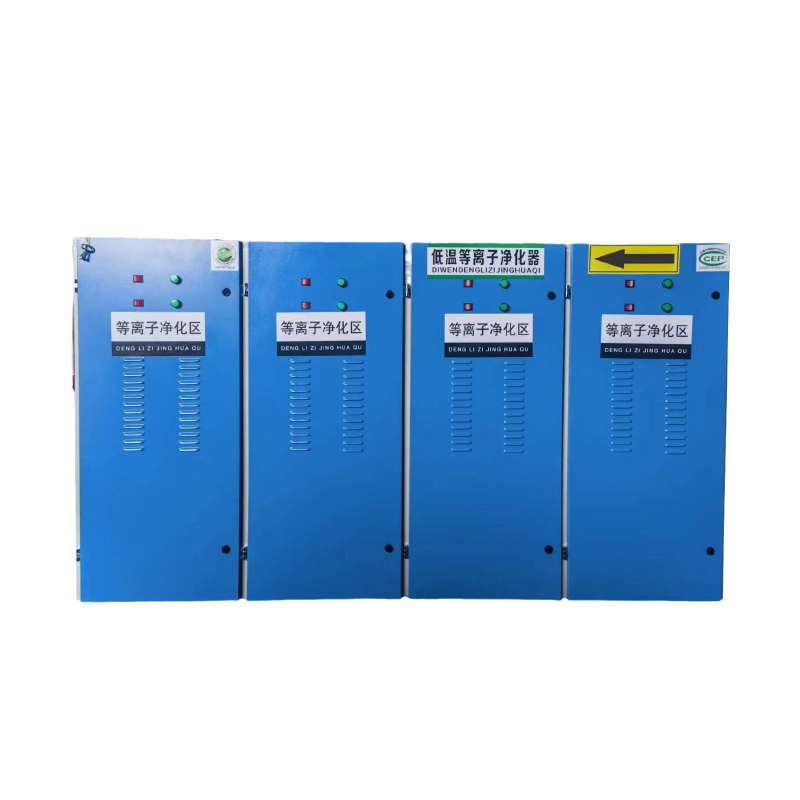

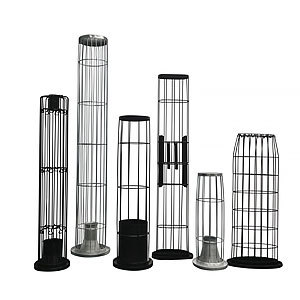
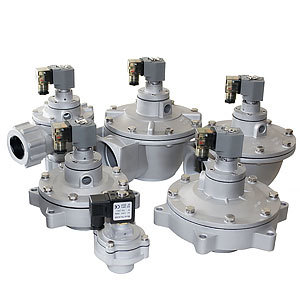
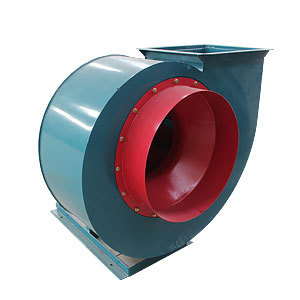









How to Choose the Right Baghouse Dust Collector for Your Application
Mar 30,2025
How to Choose the Right Baghouse Dust Collector for Your Application
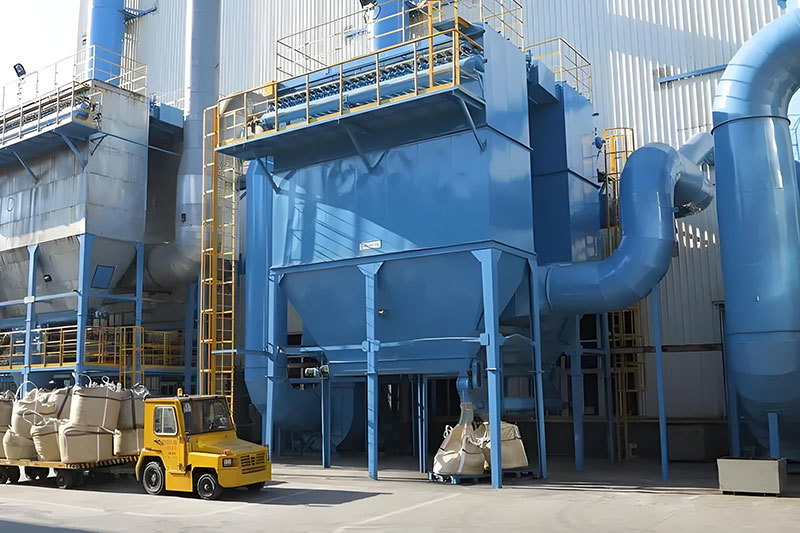
In today’s industrial landscape, maintaining air quality is paramount, especially when dealing with dust and particulate matter. A baghouse dust collector is an essential piece of equipment designed to eliminate unwanted dust from the air, ensuring a cleaner and safer workspace. Choosing the right baghouse dust collector for your specific application can be a daunting task, given the various options available and the technical specifications involved. In this guide, we will explore the critical factors to consider when selecting a baghouse dust collector, the different types available, and the best practices for optimizing performance.
Table of Contents
- Understanding Baghouse Dust Collectors
- Types of Baghouse Dust Collectors
- Key Features to Consider
- Performance Metrics to Evaluate
- Application-Specific Considerations
- Cost Analysis and Budgeting
- Installation and Maintenance
- Regulatory Compliance and Environmental Standards
- Conclusion
- FAQs
Understanding Baghouse Dust Collectors
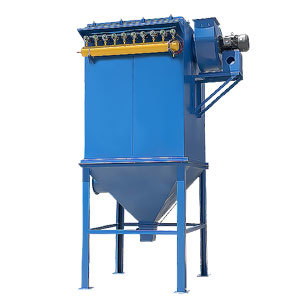
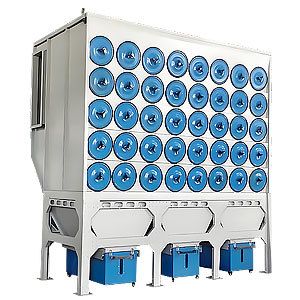
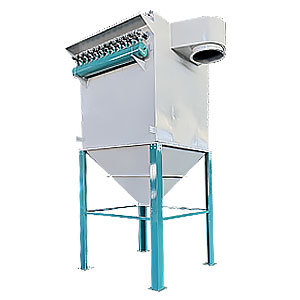
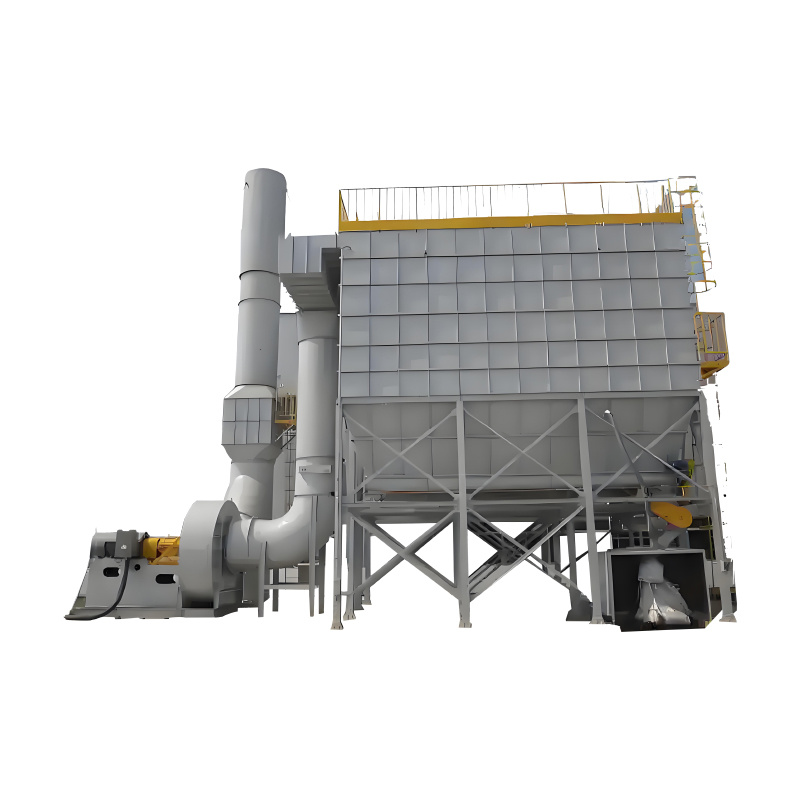
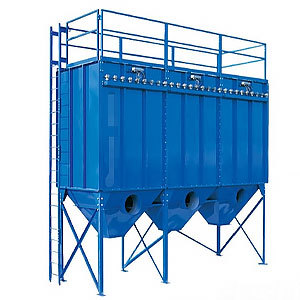
A baghouse dust collector is a filtration system that uses fabric filter bags to capture airborne dust particles. When air laden with contaminants passes through the baghouse, the dust adheres to the filter bags while clean air exits the system. This mechanism is vital for industries involved in manufacturing, woodworking, pharmaceuticals, and food processing, among others.
Investing in the right baghouse dust collector not only helps meet regulatory standards but also promotes a healthier working environment. Understanding the fundamental operation and benefits of baghouse dust collectors is the first step in making an informed choice.
Types of Baghouse Dust Collectors
Baghouse dust collectors come in various configurations and designs tailored to different applications. The two primary types are:
1. Offline Baghouse Systems
Offline systems allow for individual bag replacement without shutting down the entire system. They are suitable for applications with high dust loads and provide flexibility in maintenance schedules.
2. Continuous Baghouse Systems
Continuous baghouse systems operate continuously, collecting dust while maintaining airflow. This type is ideal for processes that generate a constant flow of dust.
Additionally, baghouse systems can be further categorized based on their design and configuration:
3. Reverse Air Baghouse Collectors
These systems use reverse air flow to clean filter bags, reducing the amount of compressed air needed for maintenance. They are energy-efficient and effective for handling fine dust.
4. Pulse Jet Baghouse Collectors
Pulse jet systems utilize bursts of compressed air to clean filter bags automatically. This type is advantageous for handling high dust loads and is commonly used in heavy industries.
Key Features to Consider
When selecting a baghouse dust collector, several features play a critical role in its performance and suitability for your application:
1. Bag Material
The choice of bag material affects dust collection efficiency and durability. Common materials include polyester, polypropylene, and PTFE, each offering different levels of filtration efficiency and resistance to specific chemicals.
2. Airflow Capacity
Understanding your process's airflow requirements is vital. The dust collector must handle the total volume of air generated in your application efficiently.
3. Filtration Efficiency
Look for baghouse dust collectors with high filtration efficiency ratings, typically expressed in microns. This ensures effective capture of fine dust particles.
4. Ease of Maintenance
A system that simplifies maintenance tasks, such as bag replacement and cleaning, can significantly reduce downtime and operational costs.
Performance Metrics to Evaluate
Performance metrics are essential for understanding how well a baghouse dust collector will operate in your specific setting. Key metrics include:
1. Pressure Drop
Pressure drop indicates the resistance to airflow through the filter bags. A lower pressure drop is desirable, as it signifies efficient operation and reduced energy consumption.
2. Dust Collection Rate
The dust collection rate reflects how effectively the system captures airborne particulates. This metric is vital for understanding the system's overall efficiency.
3. Clean Air Standards
Ensure that the baghouse dust collector meets or exceeds local air quality standards, which define the allowable levels of airborne contaminants.
Application-Specific Considerations
Different industrial sectors have unique requirements that influence baghouse selection. Consider the following:
1. Type of Dust
Understanding the type of dust generated—whether it is fibrous, fine, or abrasive—will guide you in selecting materials and design features that can effectively manage those particulates.
2. Environmental Conditions
Consider environmental factors such as temperature and humidity that may impact filter performance. Choose materials and designs that are resilient under specific conditions.
3. Space Constraints
Evaluate your facility’s layout to determine available space for the baghouse system. Compact designs may be necessary for facilities with limited space.
Cost Analysis and Budgeting
Budgeting for a baghouse dust collector involves more than just the initial purchase price. Consider the following factors:
1. Total Cost of Ownership
Account for installation, maintenance, and operating costs over the system's lifespan. A higher initial investment can lead to lower total costs if the system is more efficient and requires less maintenance.
2. Energy Efficiency
Systems designed for energy efficiency can significantly reduce operational costs, making them a wise long-term investment.
3. Return on Investment (ROI)
Evaluate the potential ROI by assessing how the baghouse dust collector can enhance productivity, reduce downtime, and improve overall air quality.
Installation and Maintenance
Proper installation and ongoing maintenance are critical for ensuring the longevity and efficiency of your baghouse dust collector:
1. Professional Installation
Engaging professionals for installation ensures that the system is set up correctly and operates at peak efficiency from day one.
2. Regular Maintenance Schedule
Establishing a regular maintenance schedule helps identify issues before they escalate, ensuring optimal performance and extending the system's lifespan.
Regulatory Compliance and Environmental Standards
Compliance with environmental regulations is non-negotiable. Ensuring that your baghouse dust collector meets local, state, and federal regulations is critical for legal operation and corporate responsibility.
1. Knowledge of Local Regulations
Stay informed about local air quality regulations and ensure your dust collector complies with all standards to avoid legal repercussions.
2. Documentation and Reporting
Maintain records of emissions testing, maintenance, and any regulatory communications to demonstrate compliance when required.
Conclusion
Choosing the right baghouse dust collector for your application is a crucial step in maintaining air quality and operational efficiency in your industrial processes. By understanding the different types of baghouse systems, evaluating key features, and considering application-specific factors, you can make informed decisions that enhance your facility's performance. Remember to include cost analysis, installation, and maintenance in your planning to ensure long-term success. With the right equipment in place, you’ll not only comply with regulations but also foster a safer and healthier working environment.
FAQs
1. What is the primary function of a baghouse dust collector?
The primary function is to filter airborne dust particles from industrial processes, improving air quality and compliance with environmental regulations.
2. How do I know which type of baghouse system is best for my application?
Consider factors such as the type of dust, airflow requirements, and available space. Consulting with a professional can also provide valuable insights.
3. What maintenance is required for a baghouse dust collector?
Regular maintenance includes checking filter bags, monitoring pressure drop, and ensuring the cleaning system is functioning. Establishing a consistent maintenance schedule is crucial.
4. Are there specific materials for filter bags that work better for certain dust types?
Yes, different materials provide varying levels of filtration efficiency and chemical resistance. Match the bag material to the type of dust generated for optimal performance.
5. How can I improve the energy efficiency of my baghouse dust collector?
Investing in energy-efficient designs, regular maintenance, and optimizing the airflow can significantly improve the system's overall energy efficiency.
Hot Tags:
PREVIOUS:


Contact Us
Tel:
WeChat:
WhatsApp:
E-mail:
Address:
338 National Road South, Longfengdian Village, Botou City, Hebei Province, China
JiuznTomine is expertly delivering technically complicated projects in markets & provides custom solutions for their customized need.


CONTACT INFO
Tel: +86 18531710311
WeChat: +86-18531710311
338 National Road South, Longfengdian Village, Botou City, Hebei Province, China