













Understanding Baghouse Dust Collection Systems: Essential Insights for Industrial Applications
Mar 25,2025
Baghouse dust collection systems play a crucial role in industrial environments where airborne particulates can pose significant health risks and impact operational efficiency. These systems are designed to capture and filter dust, ensuring cleaner air and safer working conditions. The primary components of a baghouse include a series of fabric filter bags, a fan for air movement, and a dust colle
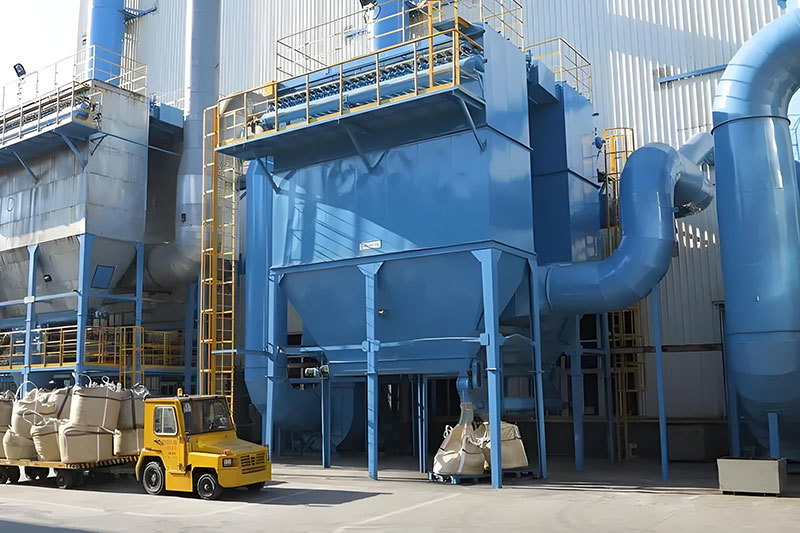
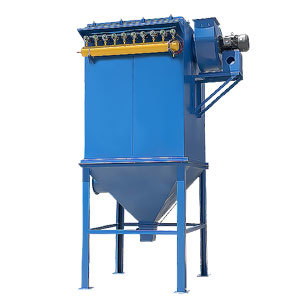
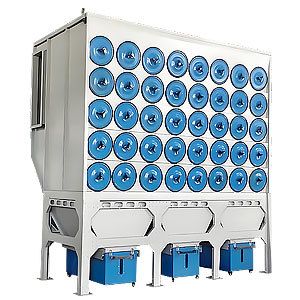
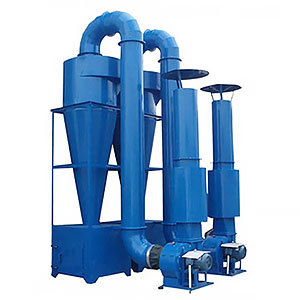
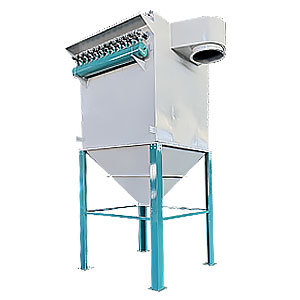
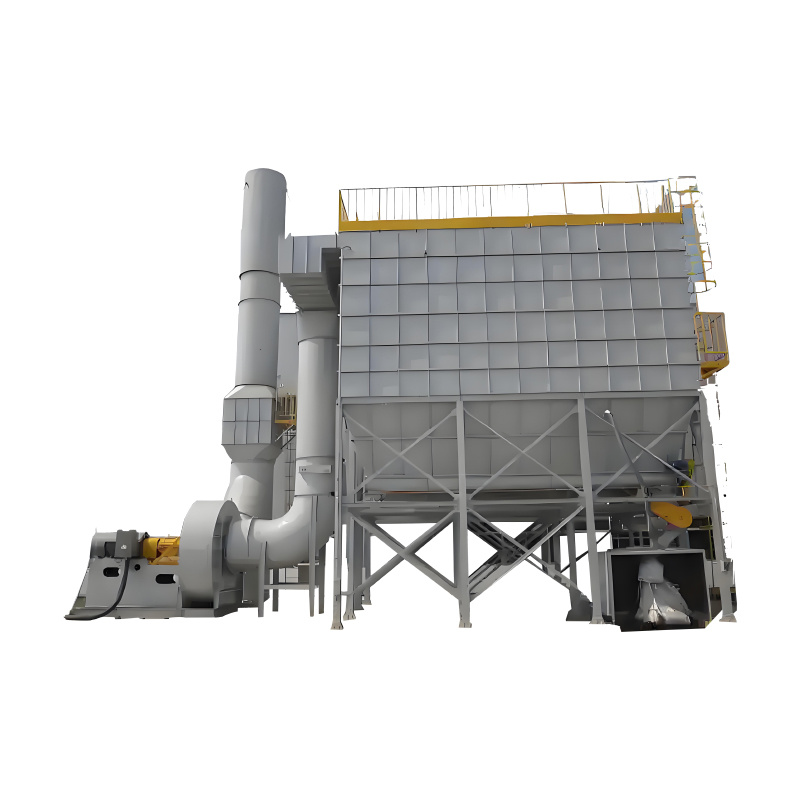
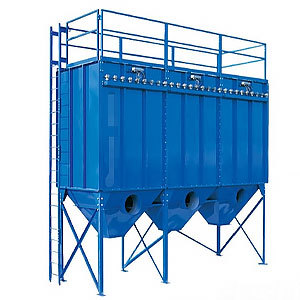
Baghouse dust collection systems play a crucial role in industrial environments where airborne particulates can pose significant health risks and impact operational efficiency. These systems are designed to capture and filter dust, ensuring cleaner air and safer working conditions. The primary components of a baghouse include a series of fabric filter bags, a fan for air movement, and a dust collection hopper.
When dust-laden air enters the baghouse, it is directed through the filter bags. The fabric of these bags traps the dust particles while allowing clean air to pass through. Over time, dust accumulates on the surface of the bags, forming a cake layer that enhances filtration efficiency. This layer captures even finer particles. Periodically, the dust cake is removed through a cleaning process, typically involving reverse air flow or shaking, allowing the system to function optimally.
One of the key benefits of baghouse dust collection systems is their ability to significantly improve air quality within industrial facilities. By capturing harmful particles, they help reduce the risk of respiratory issues among workers and create a safer workplace environment. In addition to health benefits, improved air quality can lead to enhanced productivity as workers are less likely to experience fatigue or health-related absences.
Moreover, baghouse systems can aid in compliance with environmental regulations. Many industries are required to meet specific standards for airborne emissions. By utilizing an efficient dust collection system, companies can demonstrate their commitment to environmental responsibility and avoid potential fines associated with non-compliance.
Another aspect worth noting is the customization of baghouse systems. Depending on the type and volume of dust produced, systems can be tailored to meet specific operational needs. Whether it’s selecting the appropriate type of filter media or adjusting the airflow, these systems are versatile enough to handle various industrial applications, from woodworking and metal fabrication to food processing and pharmaceuticals.
In conclusion, baghouse dust collection systems are essential for maintaining clean air and safe working environments in industrial settings. Their ability to capture dust and comply with regulations not only safeguards employee health but also contributes to operational efficiency. Understanding the function and benefits of these systems can empower businesses to make informed decisions that enhance both productivity and sustainability. Investing in a reliable baghouse system is not just a regulatory requirement; it is a proactive step toward ensuring a healthier workplace and a cleaner environment.
When dust-laden air enters the baghouse, it is directed through the filter bags. The fabric of these bags traps the dust particles while allowing clean air to pass through. Over time, dust accumulates on the surface of the bags, forming a cake layer that enhances filtration efficiency. This layer captures even finer particles. Periodically, the dust cake is removed through a cleaning process, typically involving reverse air flow or shaking, allowing the system to function optimally.
One of the key benefits of baghouse dust collection systems is their ability to significantly improve air quality within industrial facilities. By capturing harmful particles, they help reduce the risk of respiratory issues among workers and create a safer workplace environment. In addition to health benefits, improved air quality can lead to enhanced productivity as workers are less likely to experience fatigue or health-related absences.
Moreover, baghouse systems can aid in compliance with environmental regulations. Many industries are required to meet specific standards for airborne emissions. By utilizing an efficient dust collection system, companies can demonstrate their commitment to environmental responsibility and avoid potential fines associated with non-compliance.
Another aspect worth noting is the customization of baghouse systems. Depending on the type and volume of dust produced, systems can be tailored to meet specific operational needs. Whether it’s selecting the appropriate type of filter media or adjusting the airflow, these systems are versatile enough to handle various industrial applications, from woodworking and metal fabrication to food processing and pharmaceuticals.
In conclusion, baghouse dust collection systems are essential for maintaining clean air and safe working environments in industrial settings. Their ability to capture dust and comply with regulations not only safeguards employee health but also contributes to operational efficiency. Understanding the function and benefits of these systems can empower businesses to make informed decisions that enhance both productivity and sustainability. Investing in a reliable baghouse system is not just a regulatory requirement; it is a proactive step toward ensuring a healthier workplace and a cleaner environment.
Hot Tags:


Contact Us
Tel:
WeChat:
WhatsApp:
E-mail:
Address:
338 National Road South, Longfengdian Village, Botou City, Hebei Province, China
JiuznTomine is expertly delivering technically complicated projects in markets & provides custom solutions for their customized need.


CONTACT INFO
Tel: +86 18531710311
WeChat: +86-18531710311
338 National Road South, Longfengdian Village, Botou City, Hebei Province, China