













How to Optimize Your Dust Collection System with Galvanized Dust Removal Skeletons
Dec 09,2024
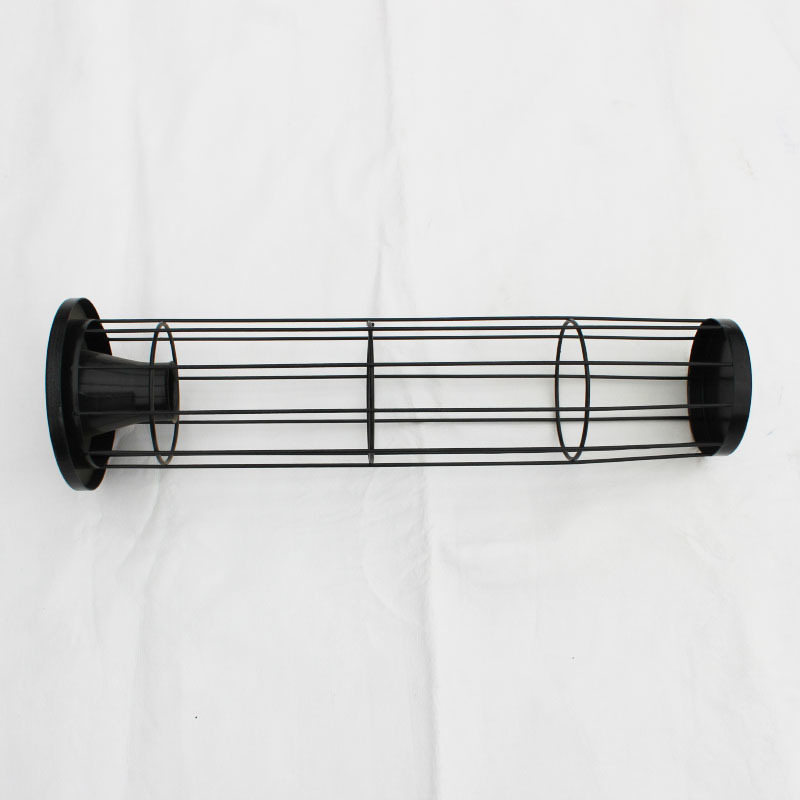
How to Optimize Your Dust Collection System with Galvanized Dust Removal Skeletons
Understanding Dust Collection Systems
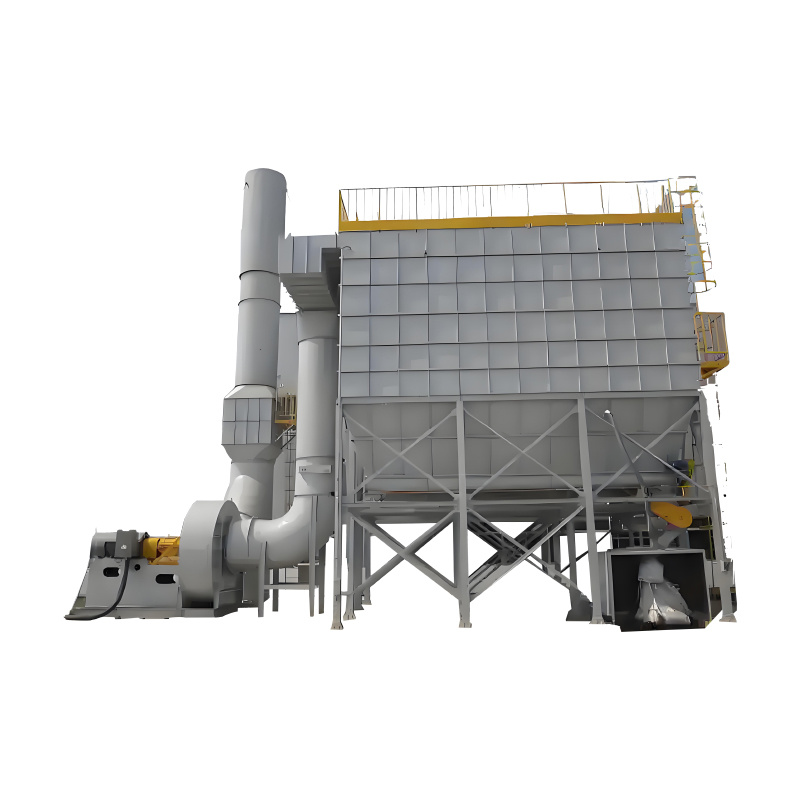
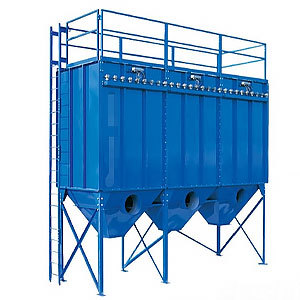
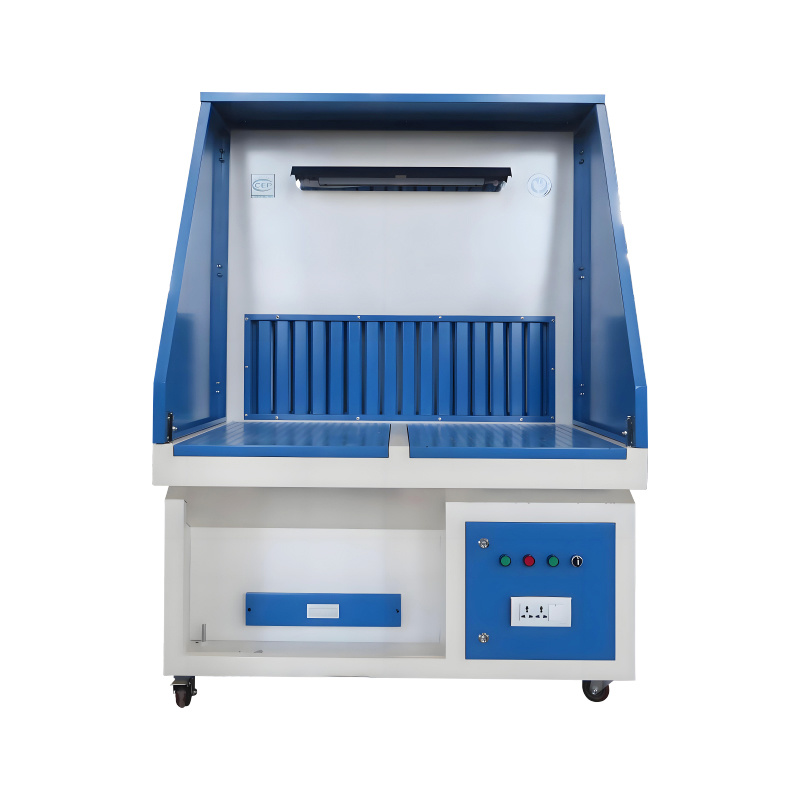
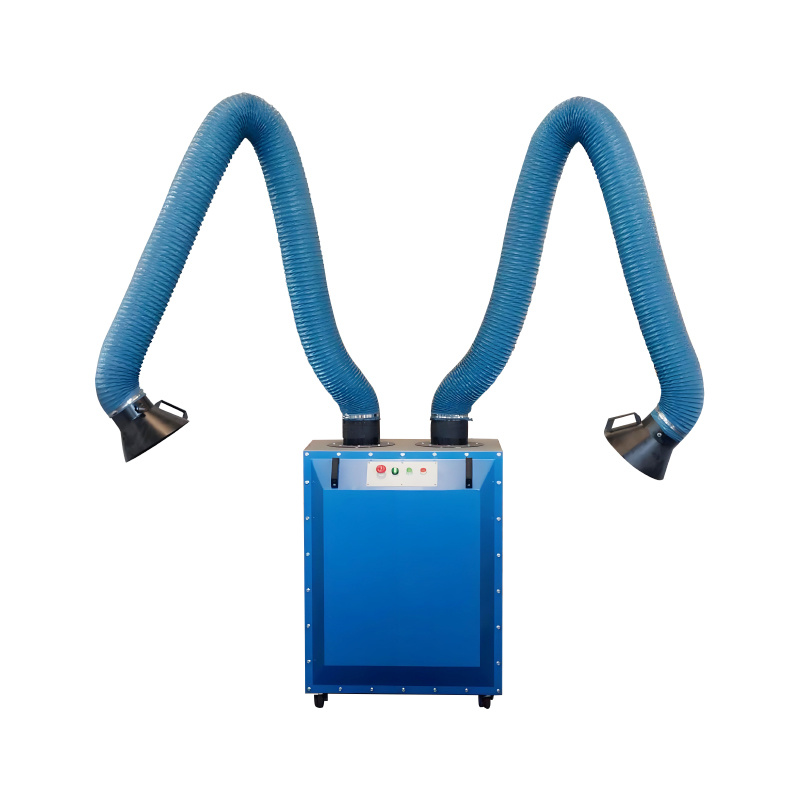
Dust collection systems play a crucial role in maintaining a clean and safe workplace, particularly in industries that generate significant amounts of dust and particulate matter. At their core, these systems are designed to capture and filter out airborne contaminants, protecting both workers and equipment. To optimize their efficiency, it is essential to consider various components, including the use of galvanized dust removal skeletons.
What Are Galvanized Dust Removal Skeletons?
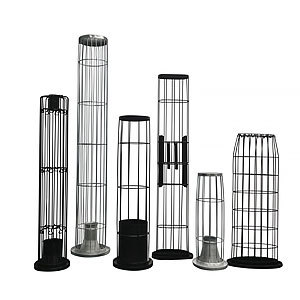
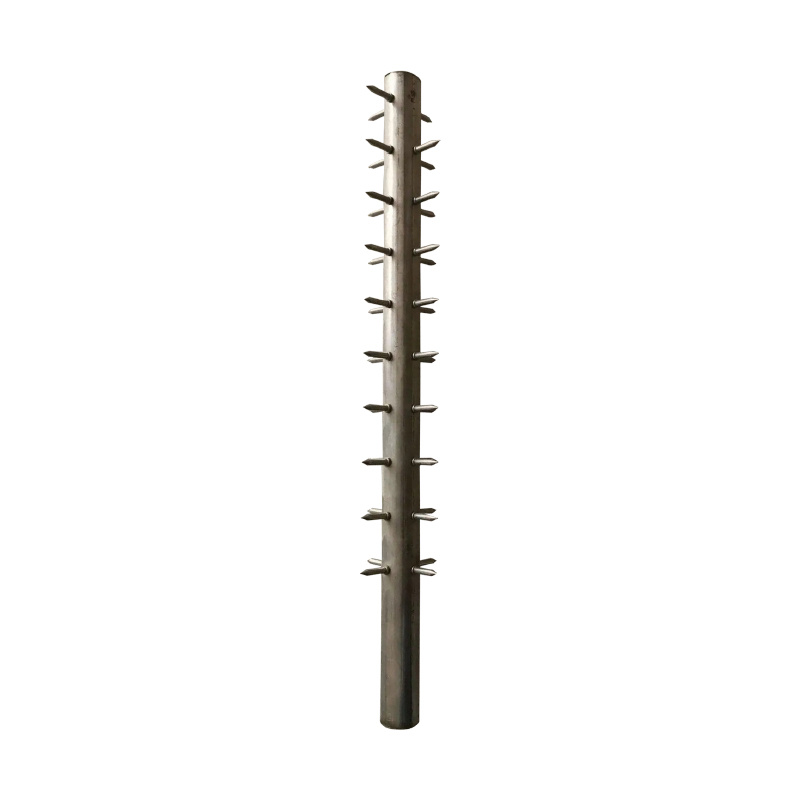
Galvanized dust removal skeletons are structural components made from galvanized steel, designed to support the dust collection system's filters and hoods. Their durability and corrosion resistance make them an ideal choice for environments where moisture and dust are prevalent. By utilizing galvanized materials, we can enhance the longevity and reliability of our dust collection systems.
The Benefits of Using Galvanized Dust Removal Skeletons
Incorporating galvanized dust removal skeletons into your dust collection system comes with several distinct advantages:
1. Corrosion Resistance
Galvanized steel undergoes a protective zinc coating process, rendering it highly resistant to rust and corrosion. This feature ensures that the skeletons maintain their structural integrity over time, even in challenging industrial environments.
2. Enhanced Durability
Due to their robust construction, galvanized dust removal skeletons withstand harsh conditions and heavy use. This durability translates to lower maintenance costs and reduced downtime for your dust collection system.
3. Improved Airflow
These skeletons are designed to optimize the airflow within the dust collection system. Proper airflow is crucial for effective dust capture, and galvanized skeletons help ensure that air is directed efficiently through the filters.
4. Cost-Effectiveness
While the initial investment may be higher than alternative materials, the long-term benefits of using galvanized skeletons—such as reduced maintenance and replacement costs—make them a cost-effective choice for many businesses.
5. Environmental Benefits
By improving the efficiency of dust collection systems, galvanized skeletons contribute to a cleaner workplace and reduce the amount of dust released into the environment. This benefit aligns with modern sustainability goals.
Key Components of an Optimized Dust Collection System
To maximize the effectiveness of your dust collection system, it is vital to understand the various components that work together. Here are the essential elements:
1. Dust Hoods
Dust hoods are strategically placed at the source of dust generation to capture particles before they disperse into the air. The design and placement of these hoods can greatly affect the efficiency of the system.
2. Ductwork
The ductwork connects the dust hoods to the collection unit. Proper sizing and layout of the ducts are critical to minimize airflow resistance and ensure effective dust transport.
3. Filters
Filters are responsible for capturing dust particles from the airstream. The choice of filter media and its maintenance are fundamental to the system's performance.
4. Collection Unit
The collection unit houses the dust storage and is where the captured dust accumulates. Ensuring this unit is appropriately sized for your operation is vital.
5. Fans and Blowers
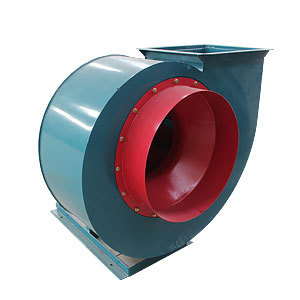
Fans and blowers create the necessary airflow to draw dust into the system. Selecting the right type and size is essential for optimal performance.
Steps to Optimize Your Dust Collection System
Now that we understand the components and benefits of using galvanized dust removal skeletons, let’s delve into actionable steps to optimize your dust collection system.
Step 1: Conduct a Dust Survey
Before implementing changes, perform a thorough dust survey of your facility. Identify areas with high dust generation and assess the current effectiveness of your dust collection system. This assessment will guide your optimization efforts.
Step 2: Evaluate Current Equipment
Review your existing dust collection equipment. Are the dust hoods positioned correctly? Is the ductwork appropriately sized? Understanding these elements will inform your decisions moving forward.
Step 3: Choose the Right Galvanized Skeletons
When selecting galvanized dust removal skeletons, consider factors such as size, load-bearing capacity, and compatibility with existing equipment. The right skeletons will support airflow and filtering efficiency.
Step 4: Optimize Ductwork Design
Ensure that the ductwork is designed for minimal airflow resistance. Use smooth, straight ducts wherever possible, and avoid sharp bends that can disrupt airflow.
Step 5: Regular Maintenance and Monitoring
Establish a routine maintenance schedule to ensure that all components of the dust collection system, including the galvanized skeletons, are in optimal condition. Regularly monitor performance metrics to identify potential issues early.
Common Challenges and Solutions
While optimizing your dust collection system, you may encounter several challenges. Here are common issues and their solutions:
1. Insufficient Airflow
If you notice that airflow is inadequate, inspect the ductwork for clogs or leaks. Ensure that the fans are appropriately sized and functioning correctly.
2. High Maintenance Costs
Over time, maintenance costs can escalate. If you’re experiencing frequent breakdowns, consider upgrading to more durable components, such as galvanized dust removal skeletons, which may reduce long-term expenses.
3. Ineffective Dust Capture
If dust is escaping into the air, reassess the positioning of dust hoods and the overall layout of the system. Adjusting the hoods for better coverage can significantly improve dust capture rates.
FAQs about Dust Collection Systems and Galvanized Skeletons
1. What is the primary purpose of a dust collection system?
The primary purpose is to capture and filter airborne dust and particulate matter, improving air quality and ensuring workplace safety.
2. How do galvanized dust removal skeletons enhance dust collection?
They provide structural support, optimize airflow, and resist corrosion, contributing to the overall durability and efficiency of the dust collection system.
3. What are the signs of a poorly functioning dust collection system?
Common signs include reduced airflow, visible dust escaping, frequent filter clogs, and increased maintenance needs.
4. How often should I maintain my dust collection system?
A regular maintenance schedule is recommended, typically every six months, but this may vary based on usage and dust levels in your facility.
5. Can I retrofit my existing system with galvanized skeletons?
Yes, galvanized dust removal skeletons can often be integrated into existing systems. Consult with a professional to ensure compatibility and optimal installation.
Conclusion
Optimizing your dust collection system with galvanized dust removal skeletons offers numerous benefits, from enhanced durability to improved performance. By understanding the components of your dust collection system and implementing strategic improvements, you can create a cleaner and safer workplace. Regular maintenance and monitoring will ensure your system remains effective, allowing you to focus on your core business operations without the burden of dust-related issues. Investing in galvanized skeletons is not just a choice; it's a commitment to quality, safety, and environmental responsibility.
Hot Tags:


Contact Us
Tel:
WeChat:
WhatsApp:
E-mail:
Address:
338 National Road South, Longfengdian Village, Botou City, Hebei Province, China
JiuznTomine is expertly delivering technically complicated projects in markets & provides custom solutions for their customized need.


CONTACT INFO
Tel: +86 18531710311
WeChat: +86-18531710311
338 National Road South, Longfengdian Village, Botou City, Hebei Province, China