











Understanding ESP Collecting Plates: Key Components of Air Filtration Systems
Dec 08,2024
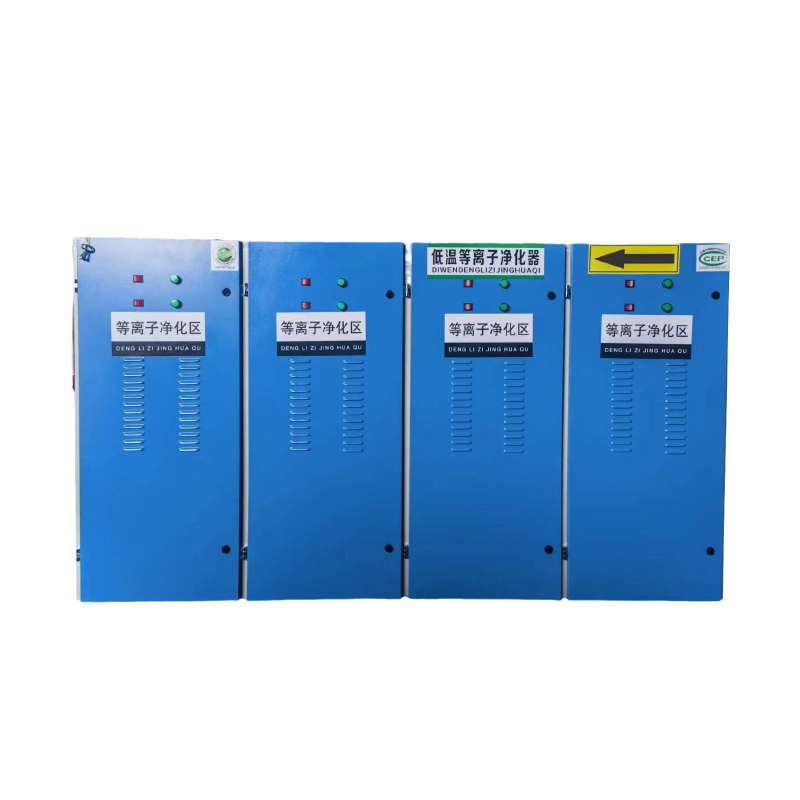
Electrostatic Precipitators (ESPs) are essential components in industrial air purification systems, particularly for dust collection. One of the critical elements within an ESP is the collecting plate. Understanding the function and operation of ESP collecting plates can greatly enhance your knowledge of air filtration technology and its importance in maintaining healthy and clean work environment
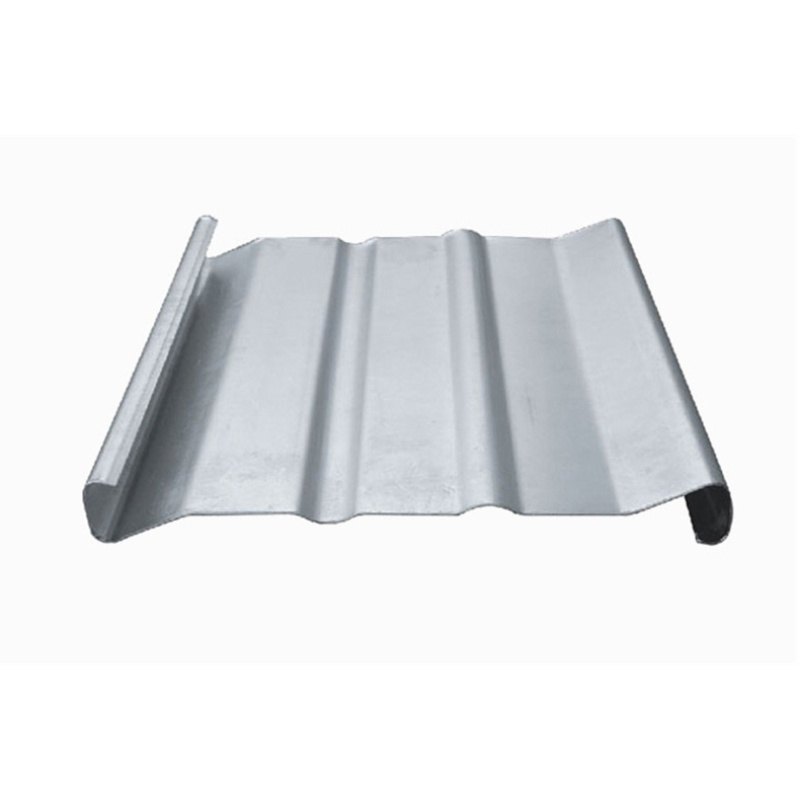
Electrostatic Precipitators (ESPs) are essential components in industrial air purification systems, particularly for dust collection. One of the critical elements within an ESP is the collecting plate. Understanding the function and operation of ESP collecting plates can greatly enhance your knowledge of air filtration technology and its importance in maintaining healthy and clean work environments.
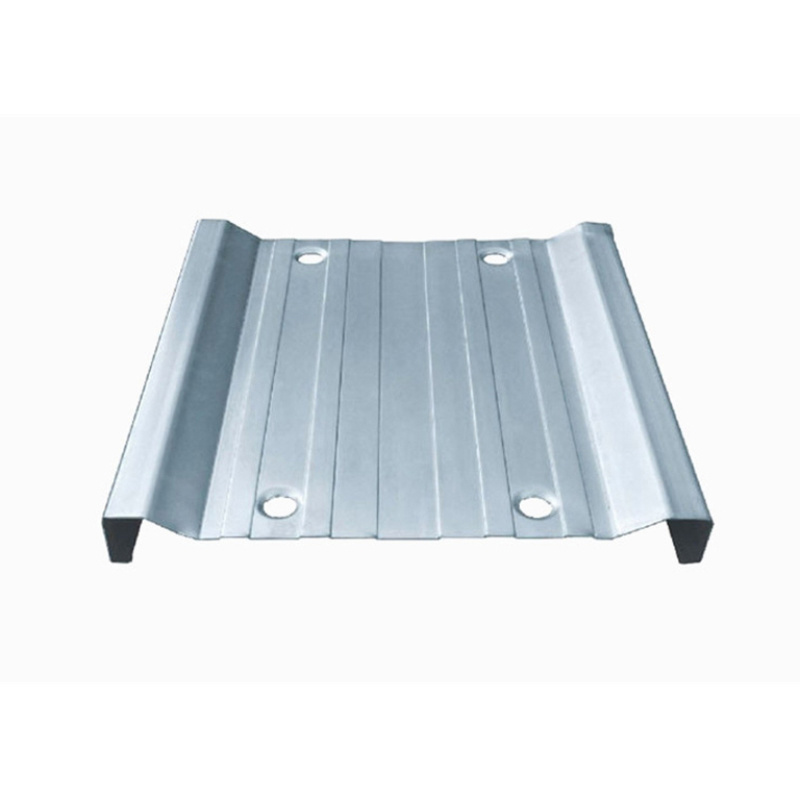
ESP collecting plates serve as the surface where charged dust and particles are deposited after being ionized by an electric field. The working principle of these plates involves the charging of particles as they pass through the ionization section of the ESP. Once these particles gain a charge, they are attracted to the oppositely charged collecting plates, thus removing them from the air stream. This process is highly efficient, making ESPs a popular choice in various industries for managing particulate matter.
The design of ESP collecting plates is integral to their performance. Typically made from conductive materials, these plates must possess high durability to withstand the harsh conditions often found in industrial settings. Additionally, the surface area and spacing of the collecting plates can significantly impact the overall efficiency of the electrostatic precipitator. An optimal design ensures that particles have sufficient time to adhere to the plates, thus maximizing dust collection rates.
Regular maintenance and cleaning of ESP collecting plates are crucial for ensuring their effectiveness. Over time, dust accumulation can lead to decreased performance, making it essential to establish a routine inspection and cleaning schedule. Proper maintenance not only prolongs the lifespan of the collecting plates but also enhances the overall efficiency of the air purification system.
Moreover, the efficiency of ESP collecting plates can be influenced by various factors, including the type of dust being collected and the operating conditions of the ESP. Understanding these variables can help in optimizing the performance of the entire air filtration system. In applications where specific dust characteristics are present, customizing the ESP setup can lead to significant improvements in air quality and compliance with environmental regulations.
In conclusion, ESP collecting plates are vital components of industrial air purification systems. Their role in the efficient collection of dust and particulate matter cannot be overstated. By comprehending the functionality, maintenance, and design considerations of these plates, professionals can make informed decisions that enhance air quality in their operations. As industries increasingly prioritize environmental responsibility, the importance of effective dust collection systems, particularly those utilizing ESP technology, will continue to grow.
ESP collecting plates serve as the surface where charged dust and particles are deposited after being ionized by an electric field. The working principle of these plates involves the charging of particles as they pass through the ionization section of the ESP. Once these particles gain a charge, they are attracted to the oppositely charged collecting plates, thus removing them from the air stream. This process is highly efficient, making ESPs a popular choice in various industries for managing particulate matter.
The design of ESP collecting plates is integral to their performance. Typically made from conductive materials, these plates must possess high durability to withstand the harsh conditions often found in industrial settings. Additionally, the surface area and spacing of the collecting plates can significantly impact the overall efficiency of the electrostatic precipitator. An optimal design ensures that particles have sufficient time to adhere to the plates, thus maximizing dust collection rates.
Regular maintenance and cleaning of ESP collecting plates are crucial for ensuring their effectiveness. Over time, dust accumulation can lead to decreased performance, making it essential to establish a routine inspection and cleaning schedule. Proper maintenance not only prolongs the lifespan of the collecting plates but also enhances the overall efficiency of the air purification system.
Moreover, the efficiency of ESP collecting plates can be influenced by various factors, including the type of dust being collected and the operating conditions of the ESP. Understanding these variables can help in optimizing the performance of the entire air filtration system. In applications where specific dust characteristics are present, customizing the ESP setup can lead to significant improvements in air quality and compliance with environmental regulations.
In conclusion, ESP collecting plates are vital components of industrial air purification systems. Their role in the efficient collection of dust and particulate matter cannot be overstated. By comprehending the functionality, maintenance, and design considerations of these plates, professionals can make informed decisions that enhance air quality in their operations. As industries increasingly prioritize environmental responsibility, the importance of effective dust collection systems, particularly those utilizing ESP technology, will continue to grow.
Hot Tags:


Contact Us
Tel:
WeChat:
WhatsApp:
E-mail:
Address:
338 National Road South, Longfengdian Village, Botou City, Hebei Province, China
JiuznTomine is expertly delivering technically complicated projects in markets & provides custom solutions for their customized need.


CONTACT INFO
Tel: +86 18531710311
WeChat: +86-18531710311
338 National Road South, Longfengdian Village, Botou City, Hebei Province, China