











How to Choose the Right Welding Fume Dust Collector for Your Workshop
Dec 07,2024
How to Choose the Right Welding Fume Dust Collector for Your Workshop
Understanding Welding Fume Dust Collectors
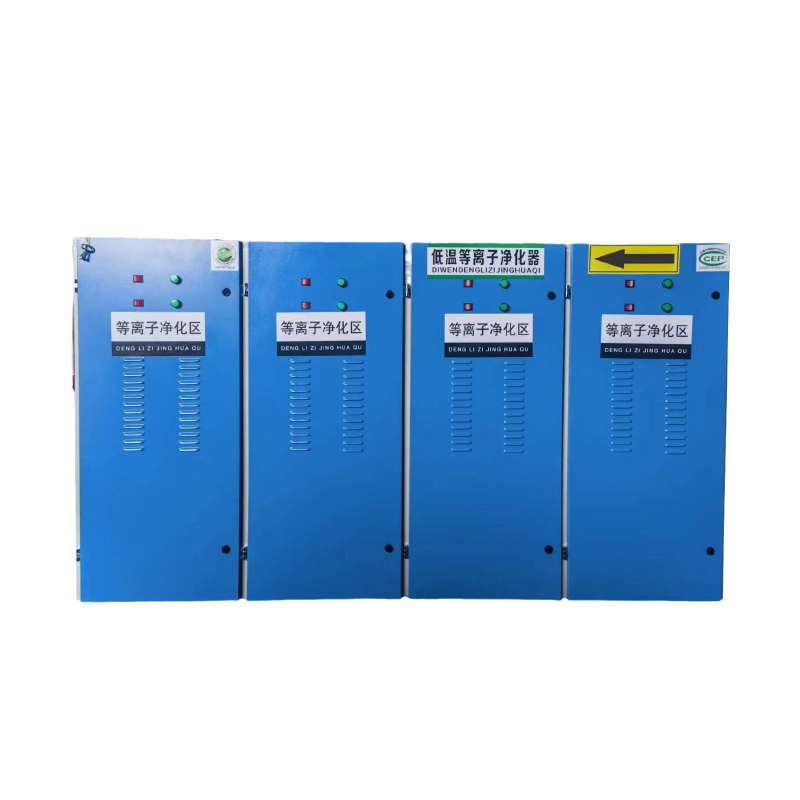
Welding operations can generate hazardous fumes and particulate matter, posing serious health risks to workers. **Welding fume dust collectors** are essential tools designed to filter and remove these contaminants from the air, ensuring a safer working environment. Choosing the right co
How to Choose the Right Welding Fume Dust Collector for Your Workshop
Understanding Welding Fume Dust Collectors
Welding operations can generate hazardous fumes and particulate matter, posing serious health risks to workers. **Welding fume dust collectors** are essential tools designed to filter and remove these contaminants from the air, ensuring a safer working environment. Choosing the right collector for your workshop requires an understanding of various factors that influence its efficiency and performance.
Why Air Quality Matters in Welding Workshops
Maintaining good air quality in welding workshops is critical for several reasons. Poor air quality can lead to respiratory problems, reduced productivity, and long-term health issues for workers. By investing in an effective dust collector, you not only protect your team but also comply with occupational safety regulations.
Common Hazards Associated with Welding Fumes
Welding fumes are a cocktail of various harmful substances, including:
- **Metal oxides**
- **Silica dust**
- **Carbon monoxide**
- **Nitrogen oxides**
Exposure to these contaminants can lead to serious health issues, including:
- **Lung diseases**
- **Neurological disorders**
- **Cancer**
Key Factors to Consider When Choosing a Welding Fume Dust Collector
1. Type of Dust Collector
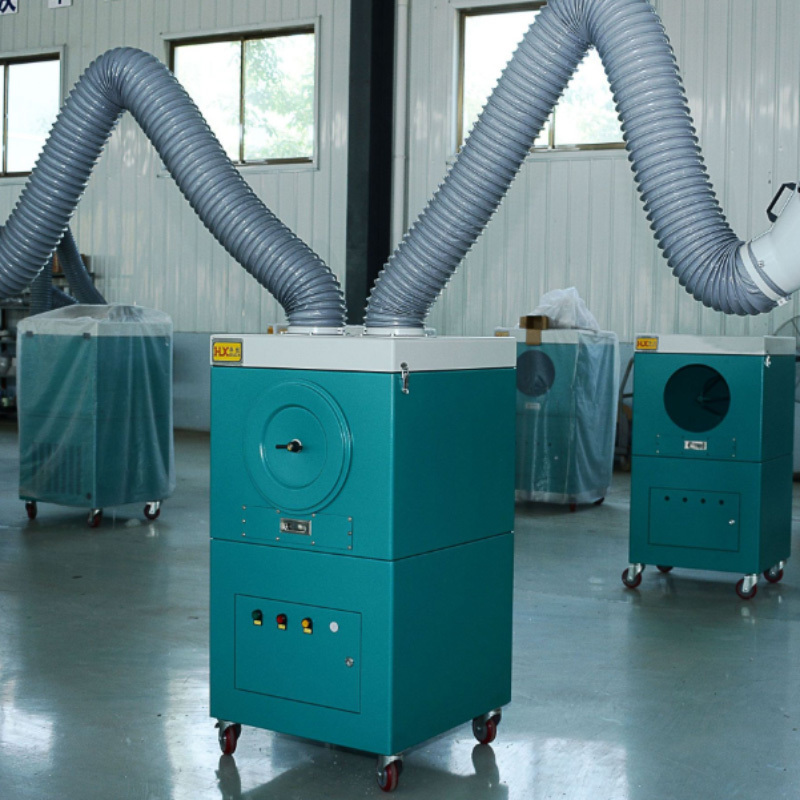
Welding fume dust collectors come in various types, each suited for specific applications. The two most common types are:
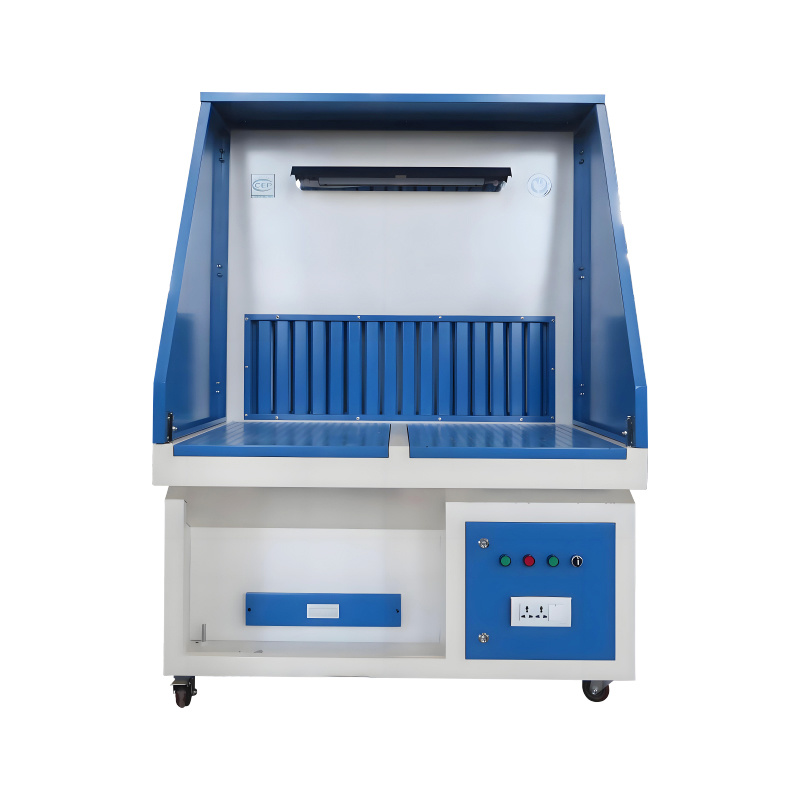
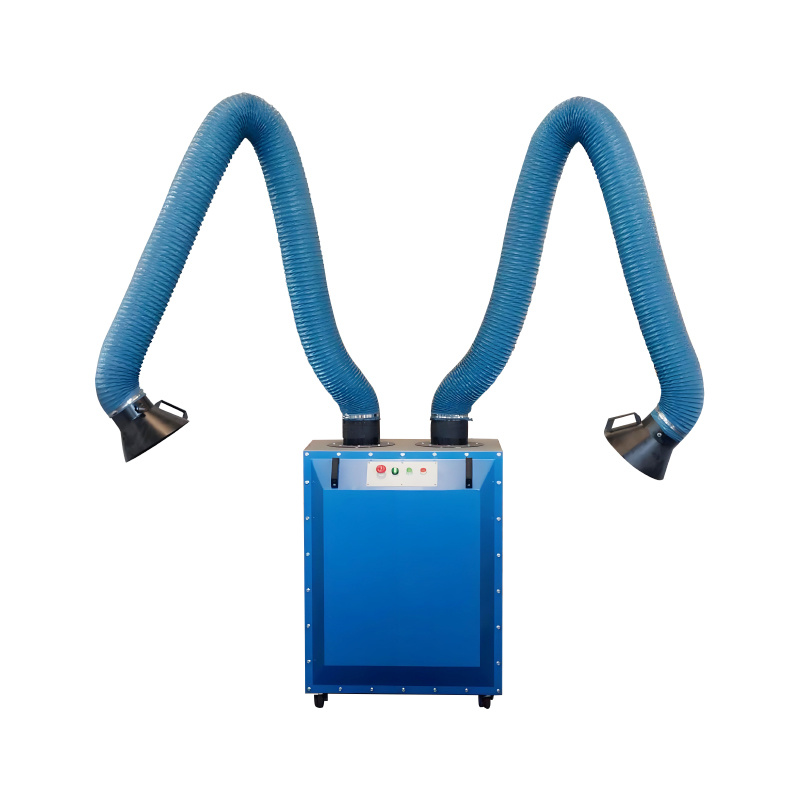
- **Portable Welding Fume Extractors**: Ideal for small workshops or job sites. They offer flexibility and can be moved easily to different locations.
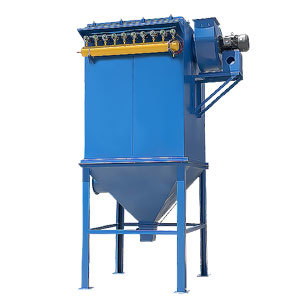
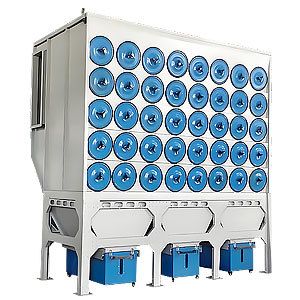
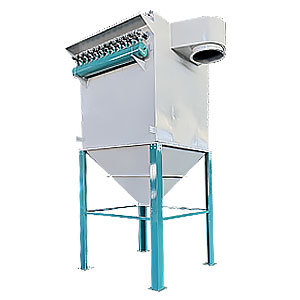
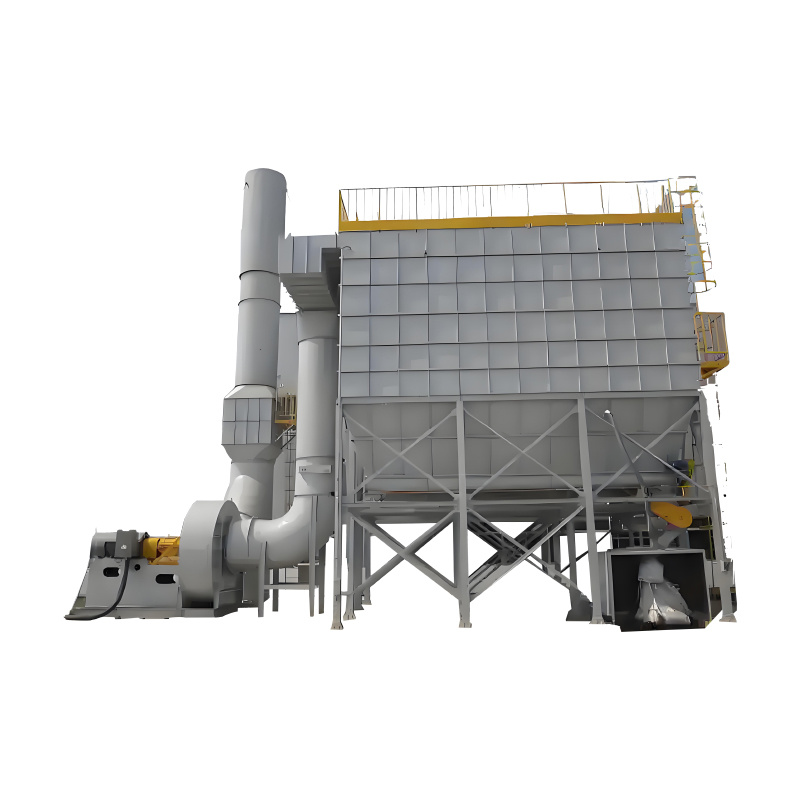
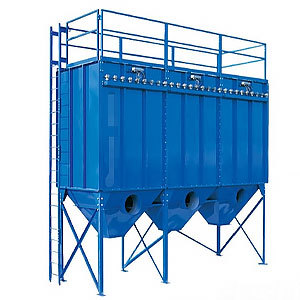
- **Centralized Dust Collection Systems**: Suitable for larger workshops. They provide a more permanent solution and can handle higher volumes of fumes and dust.
2. Airflow Capacity
The **airflow capacity**, measured in cubic feet per minute (CFM), is crucial for determining how effectively the dust collector can remove fumes from the air. A higher CFM indicates greater capacity, which is essential for workshops with multiple welding stations or heavy-duty operations.
3. Filtration Efficiency
The **filtration efficiency** of the dust collector directly affects its ability to capture welding fumes. Look for units equipped with High-Efficiency Particulate Air (HEPA) filters, which are proven to trap 99.97% of particles as small as 0.3 microns.
Types of Filters
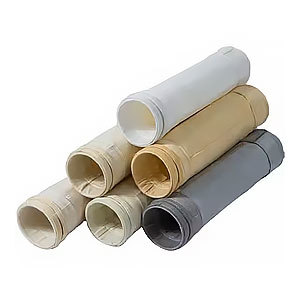
- **Pre-filters**: These capture larger particles and extend the life of the main filter.
- **HEPA filters**: Essential for capturing fine fumes and particulate matter.
- **Activated Carbon Filters**: Ideal for removing odors and certain gases.
4. Noise Levels
Noise can be a significant concern in welding environments. When selecting a dust collector, consider its **decibel rating**. Units with lower noise levels will contribute to a more comfortable working atmosphere.
5. Maintenance Requirements
Routine maintenance is crucial to ensure the longevity and effectiveness of your dust collector. Consider how easy it is to access and replace filters, as well as any additional maintenance tasks required, such as cleaning or inspections.
6. Size and Space Considerations
Evaluate the **available floor space** in your workshop and the size of the dust collector. Ensure the unit you choose fits comfortably without obstructing workstations or pathways.
7. Cost and Budget
While it’s essential to find a high-quality dust collector, budget constraints often play a significant role in the decision-making process. Compare the costs of various models and factor in operational costs, such as energy consumption and maintenance.
8. Safety Features
Look for dust collectors that come with built-in safety features, such as:
- **Automatic shut-off systems**
- **Overload protection**
- **Fire suppression systems**
How to Properly Install and Maintain Your Welding Fume Dust Collector
Installation Guidelines
Proper installation is vital for optimal performance. Follow these guidelines:
- **Position the collector** close to the source of fumes to minimize duct length.
- **Ensure adequate ventilation** around the unit for efficient airflow.
- **Follow manufacturer instructions** for electrical connections and grounding.
Maintenance Best Practices
To extend the lifespan of your dust collector:
- **Regularly check and replace filters** as needed.
- **Clean the unit** periodically to prevent dust buildup.
- **Inspect all components** for wear and tear.
Frequently Asked Questions (FAQs)
1. What is the primary purpose of a welding fume dust collector?
The primary purpose of a welding fume dust collector is to remove harmful fumes and particulate matter from the air, thus ensuring a safer working environment for welders.
2. How often should I replace the filters in my dust collector?
Filter replacement frequency depends on usage, but generally, you should check them monthly and replace them every 3-6 months or as needed.
3. Can I use a residential air purifier for welding fumes?
No, residential air purifiers are not designed for the high volumes and specific contaminants produced during welding. It is essential to use a dust collector specifically designed for welding applications.
4. Are portable welding fume extractors effective?
Yes, portable welding fume extractors can be very effective, especially for small operations or jobsites, as they provide localized extraction at the source of the fumes.
5. What should I consider if I have multiple welding stations?
For multiple welding stations, consider a centralized dust collection system with sufficient airflow capacity and filtration efficiency to handle the increased demand.
Conclusion
Selecting the right welding fume dust collector for your workshop is a crucial decision that impacts worker safety and operational efficiency. By considering factors such as type, airflow capacity, filtration efficiency, and maintenance needs, you can make an informed choice that meets your workshop’s specific requirements. Investing in a quality dust collector not only enhances air quality but also promotes a healthier and more productive work environment.
Hot Tags:


Contact Us
Tel:
WeChat:
WhatsApp:
E-mail:
Address:
338 National Road South, Longfengdian Village, Botou City, Hebei Province, China
JiuznTomine is expertly delivering technically complicated projects in markets & provides custom solutions for their customized need.


CONTACT INFO
Tel: +86 18531710311
WeChat: +86-18531710311
338 National Road South, Longfengdian Village, Botou City, Hebei Province, China