


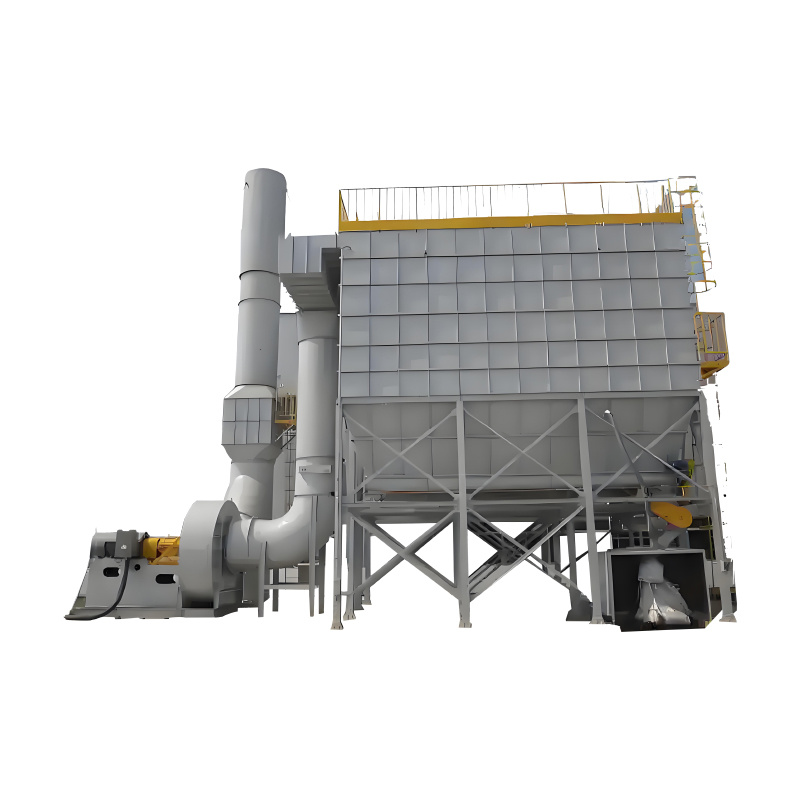
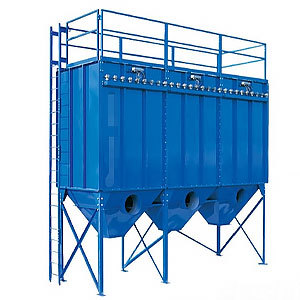
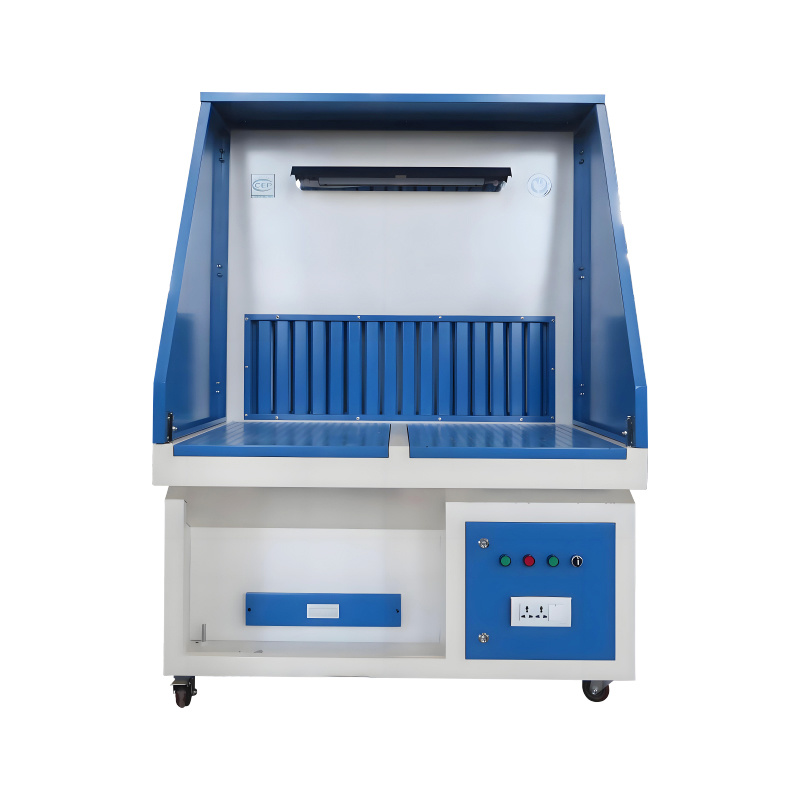
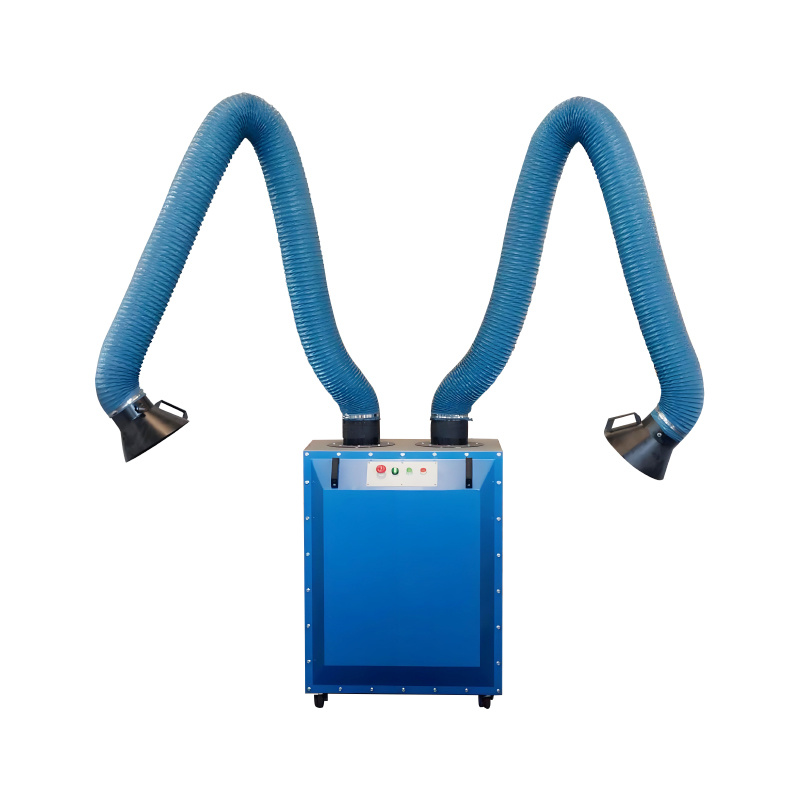









Several commonly used dust cleaning methods for bag filters
Aug 09,2025
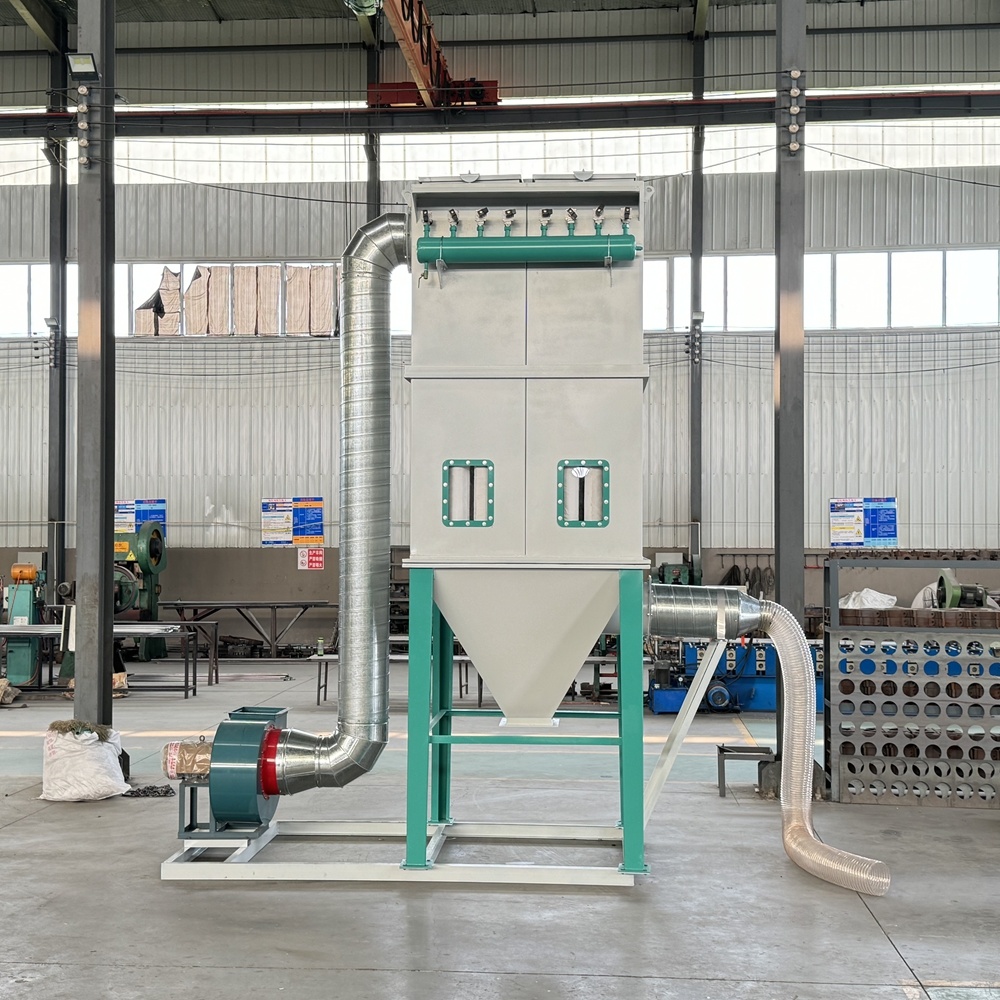
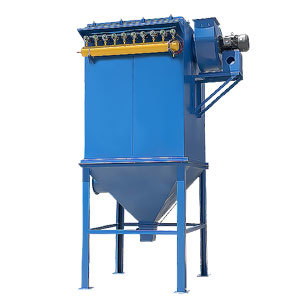
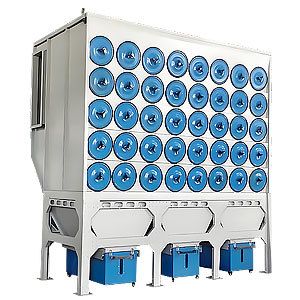
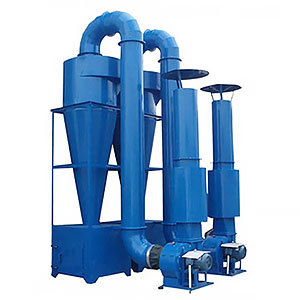
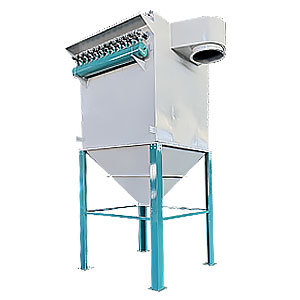
Dust cleaning is the core process for maintaining efficient operation of bag filters, and its method directly affects the lifespan of filter bags, dust removal efficiency, and operating costs. According to different industry operating conditions and international market demands, bag filters commonly use the following cleaning methods, each with its own adaptation scenarios and advantages.
1、 Pulse jet cleaning: the mainstream choice for efficient and intelligent cleaning
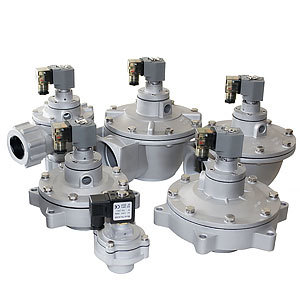
Working principle: By instantly blowing compressed air (usually at a pressure of 0.5-0.7 MPa), a shock wave is formed inside the filter bag, causing it to rapidly expand and contract, and shaking off surface dust. The spraying is controlled by a pulse valve and can be timed or blocked for dust cleaning through a PLC system. The single valve spraying time is only 0.1-0.2 seconds.
Features: High dust cleaning intensity and efficiency, significant effect on fine dust and viscous dust, and does not affect the normal filtration of filter bags. It can be cleaned online (without stopping the machine). The filter bag has minimal wear and can last for 2-3 years.
Applicable scenarios: Industries such as electronics, food, and chemical industries that require high dust removal efficiency (emission concentration ≤ 10mg/m ³), especially suitable for European and American factories with high automation levels. For example, bag filters in German automotive parts factories often use this method, combined with intelligent control systems to achieve unmanned operation.
2、 Anti blowing dust removal: an economical choice for high air flow conditions
Working principle: By using a fan to generate reverse airflow, the filter bag is deformed (from an external filter to an internal filter state), and dust is removed through airflow flushing and the elastic force of the filter bag itself. The blowback time is relatively long (usually 10-30 seconds), and it is necessary to clean the dust offline in different chambers (by closing the inlet valve of a certain filter bag chamber).
Features: Low energy consumption (no need for high-pressure gas source), simple structure, low maintenance cost, but weak dust cleaning intensity, better effect on coarse dust.
Applicable scenarios: working conditions with high air volume (over 100000 m ³/h) and moderate dust concentration, such as electricity and garbage incineration. In small and medium-sized power plants in Southeast Asia, reverse blowing ash removal is widely used due to low initial investment and easy maintenance. Combined with timed ash removal mode, it can meet local environmental standards (emission concentration ≤ 50mg/m ³).
3、 Mechanical vibration dust cleaning: a basic solution for simple working conditions
Working principle: The eccentric wheel or cam is driven by a motor to generate mechanical vibration (horizontal or vertical direction) in the filter bag frame, and the vibration inertia is used to detach the dust from the surface of the filter bag. Offline operation is required for dust cleaning, and the vibration frequency is usually 50-100 times/minute.
Characteristics: The structure is the simplest and the cost is the lowest, but the cleaning is uneven, which can easily cause local wear of the filter bag, and the cleaning effect on fine dust is limited.
Applicable scenarios: Small workshops (such as furniture polishing, small feed processing) and working conditions with low dust concentration (≤ 50g/m ³). In emerging markets such as Africa and South America, many small businesses choose this method, combined with regular manual inspections, to meet basic environmental requirements (emission concentration ≤ 100mg/m ³).
4、 Joint dust cleaning: customized solution for complex working conditions
For high concentration, high viscosity, or high-temperature dust, the above methods can be combined to form a joint dust cleaning, such as "mechanical vibration+reverse blowing", "pulse blowing+auxiliary vibration", etc. A certain Indian cement plant adopts a combination of "pulse spraying+back blowing" for dust cleaning, which not only solves the problem of high viscosity of cement dust, but also reduces the energy consumption of a single dust cleaning method, and stabilizes the emission concentration below 30mg/m ³.
Suggestions for international market selection
1) In the European and American markets, pulse jet cleaning is preferred, and it is necessary to adapt its automation control system (such as supporting Modbus protocol) and meet energy consumption standards (such as the EU ERP directive).
2) Southeast Asian/South American markets: Anti blowing or mechanical vibration dust cleaning have more cost advantages, and attention should be paid to the equipment's moisture resistance and corrosion resistance.
3) High end manufacturing industries (electronics, pharmaceuticals) must use pulse jet cleaning and obtain certifications such as FDA and ISO to ensure no secondary pollution.
Choosing the appropriate dust cleaning method requires a comprehensive judgment based on dust characteristics, processing air volume, local environmental standards, and operation and maintenance capabilities. A scientific dust cleaning solution not only ensures the long-term and efficient operation of bag filters, but also reduces cross-border operation and maintenance costs for foreign trade enterprises, which is an important prerequisite for the smooth entry of equipment into the international market.
Hot Tags:


Contact Us
Tel:
WeChat:
WhatsApp:
E-mail:
Address:
338 National Road South, Longfengdian Village, Botou City, Hebei Province, China
JiuznTomine is expertly delivering technically complicated projects in markets & provides custom solutions for their customized need.


CONTACT INFO
Tel: +86 18531710311
WeChat: +86-18531710311
338 National Road South, Longfengdian Village, Botou City, Hebei Province, China