











Baghouse Vs Electrostatic Precipitator
Aug 04,2024
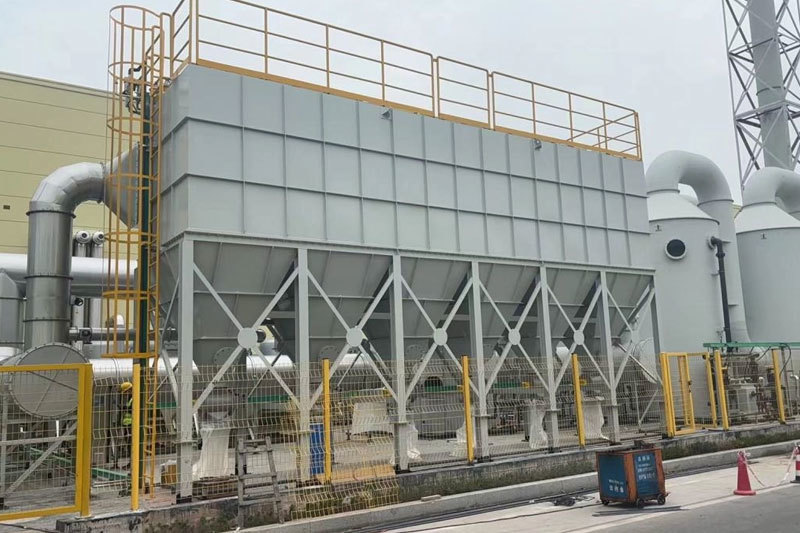
Are you interested in knowing the differences between baghouse dust collectors and electrostatic precipitators? What are their respective advantages and characteristics? How should factories choose a dust collector? This article will provide a detailed comparison and analysis of the two types of dust collectors.
What are Baghouse Dust Collectors And Electrostatic Precipitators?
Baghouse Dust Collector Introduce
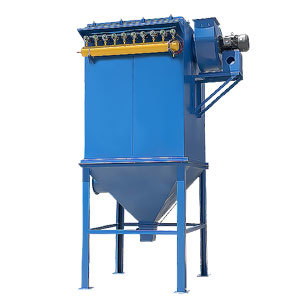
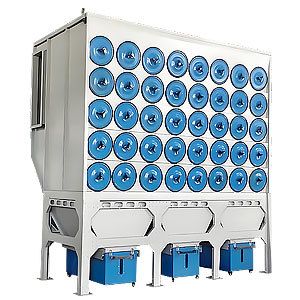
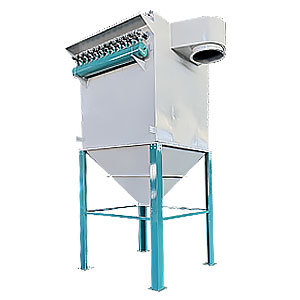
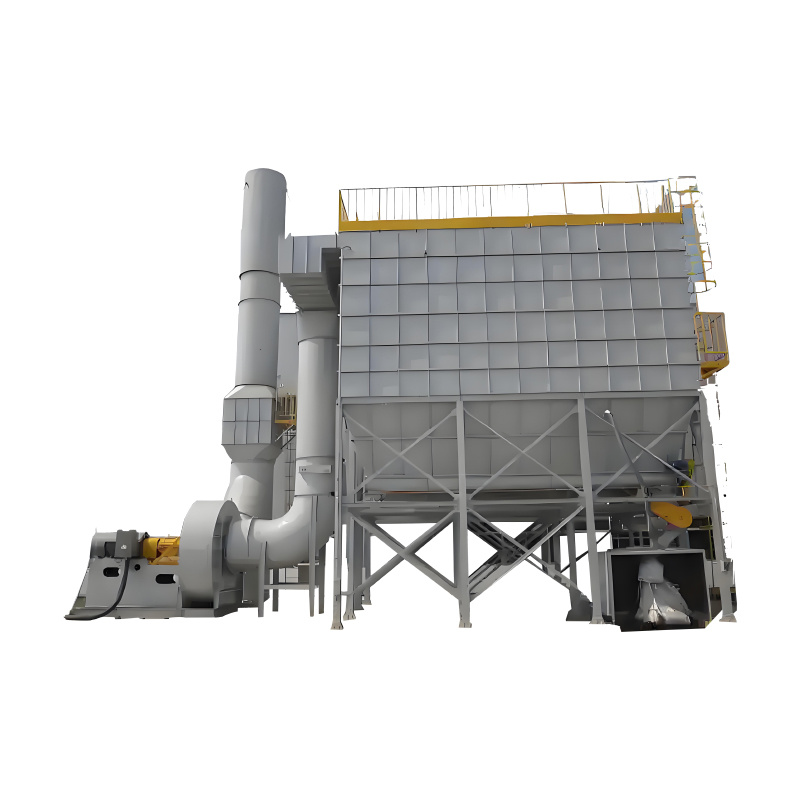
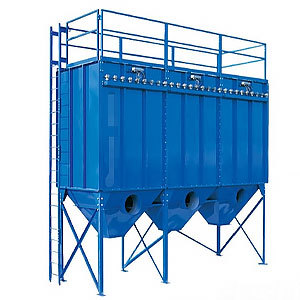
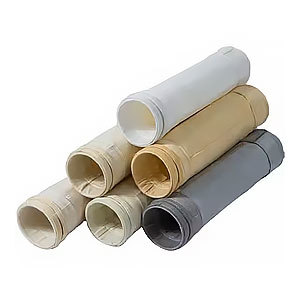
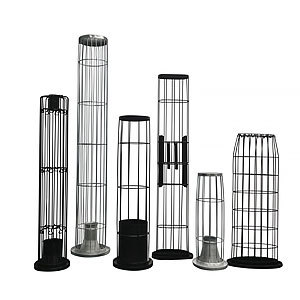
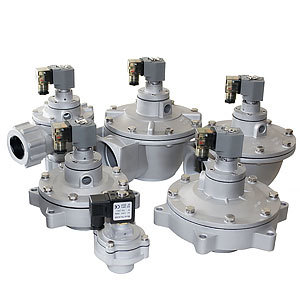
Baghouse dust collectors use bag filters to capture dust, which accumulates on the surface of the bag filters. When the dust reaches a certain level, the cleaning system activates to remove the dust from the surface and collects it in the hopper below.
Main Parameters
- Body Material: Carbon steel, stainless steel, fiberglass, etc.
- Airflow Capacity: From a few hundred to several hundred thousand m³/h
- Filter Bag Material: Polyester, polypropylene, fiberglass, etc.
- Dust Removal Efficiency: Usually around 99%, with high-performance custom versions reaching up to 99.9%
- Operating Temperature: -10°C to 250°C, with special high-temperature bags required for higher temperatures
Electrostatic Precipitators
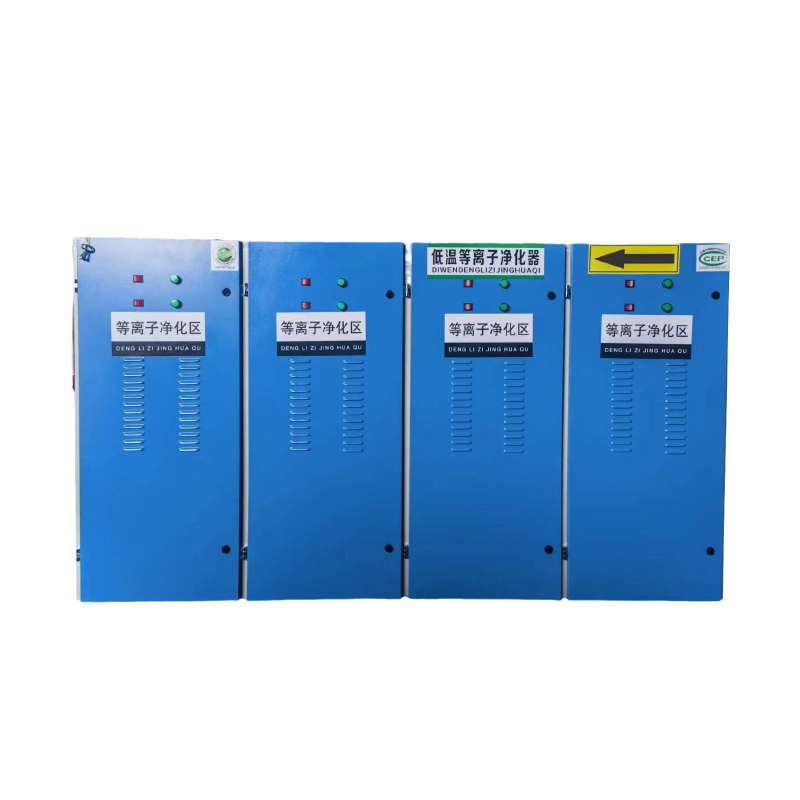
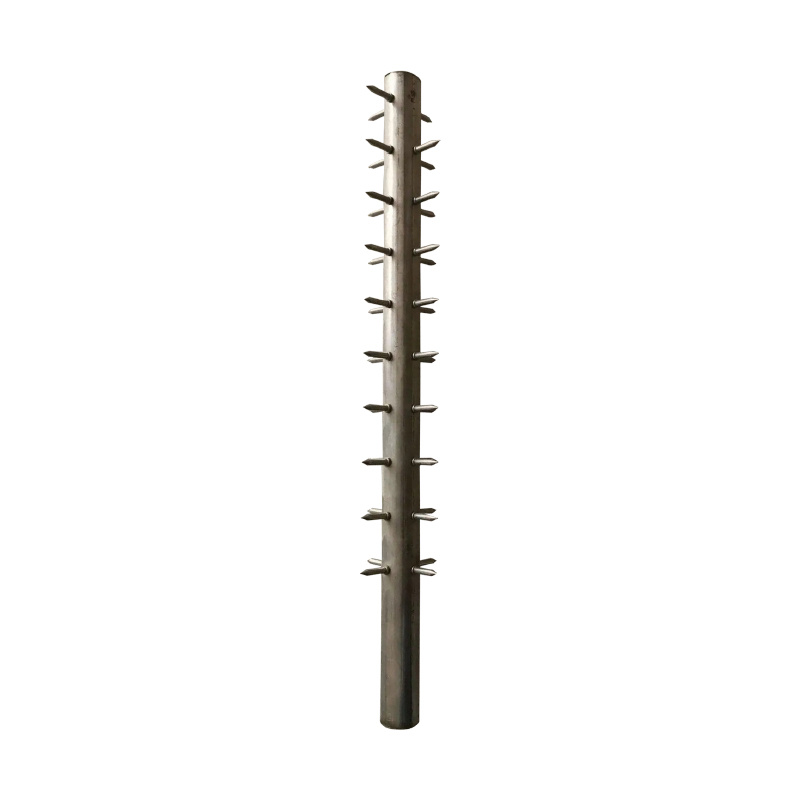
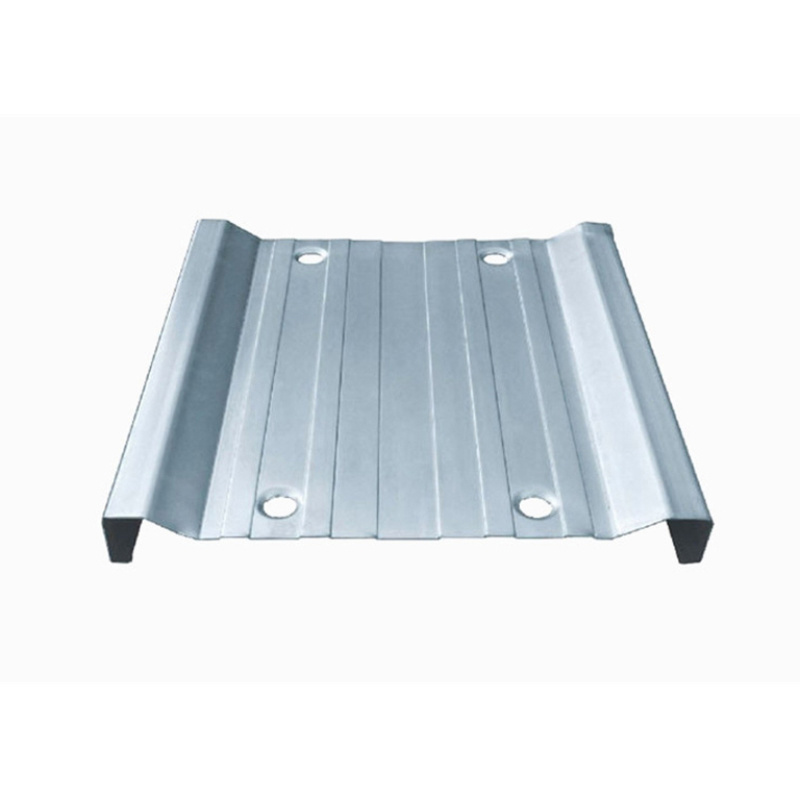
Electrostatic precipitators use electrical charges to separate dust from the air. High-voltage power is supplied to the corona electrode and the collecting electrode. As dust passes through the corona discharge, particles become charged and move towards the oppositely charged collecting electrode. Once enough dust accumulates, the cleaning system activates to shake the dust into the hopper.
Main Parameters
- Body Material: Carbon steel, stainless steel, galvanized steel plate, etc.
- Airflow Capacity: From a few thousand to several hundred thousand m³/h
- Operating Voltage: 30kV-80kV, with higher voltages leading to higher dust removal efficiency
- Operating Temperature: 50°C to 400°C, with special designs and material selections required for higher temperatures
Hot Tags:
NEXT:


Contact Us
Tel:
WeChat:
WhatsApp:
E-mail:
Address:
338 National Road South, Longfengdian Village, Botou City, Hebei Province, China
JiuznTomine is expertly delivering technically complicated projects in markets & provides custom solutions for their customized need.


CONTACT INFO
Tel: +86 18531710311
WeChat: +86-18531710311
338 National Road South, Longfengdian Village, Botou City, Hebei Province, China