











Pulse Dust Collector: Industrial Application Analysis of Automated Dust Cleaning Technology
May 12,2026
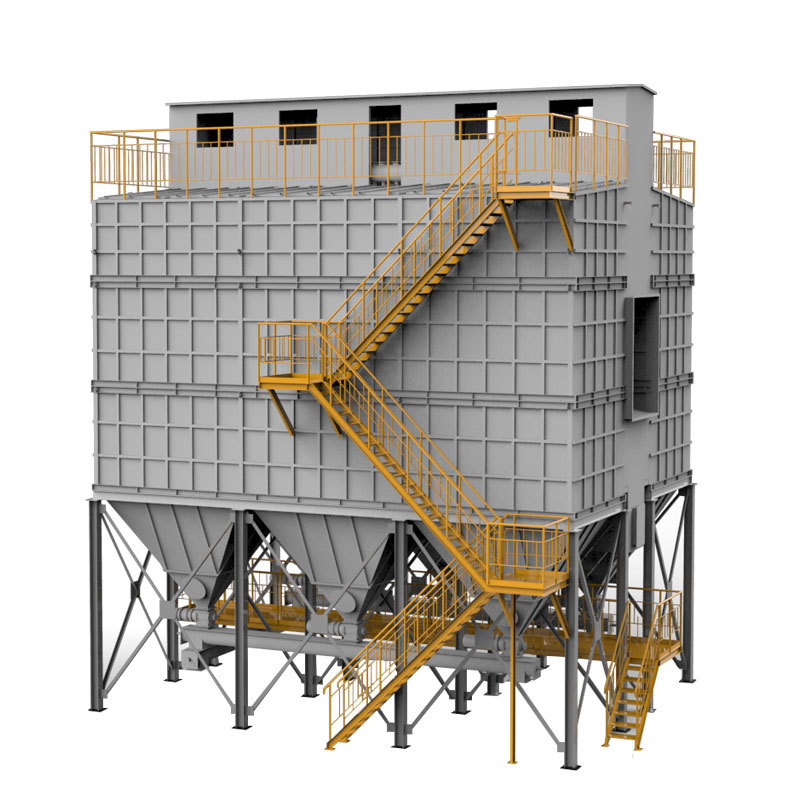
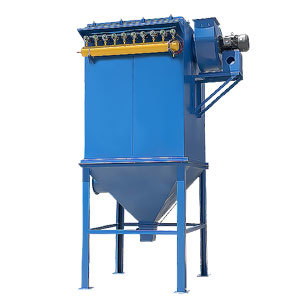
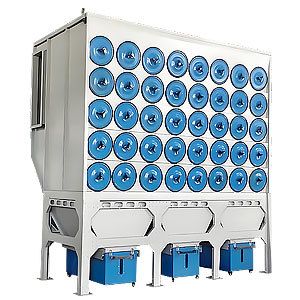
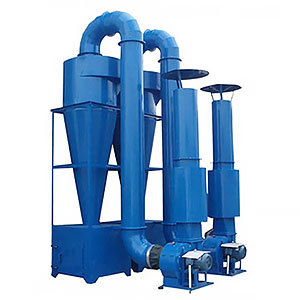
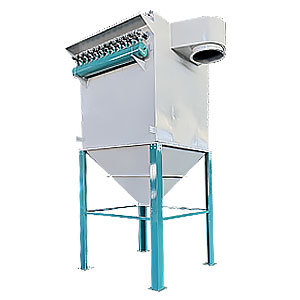
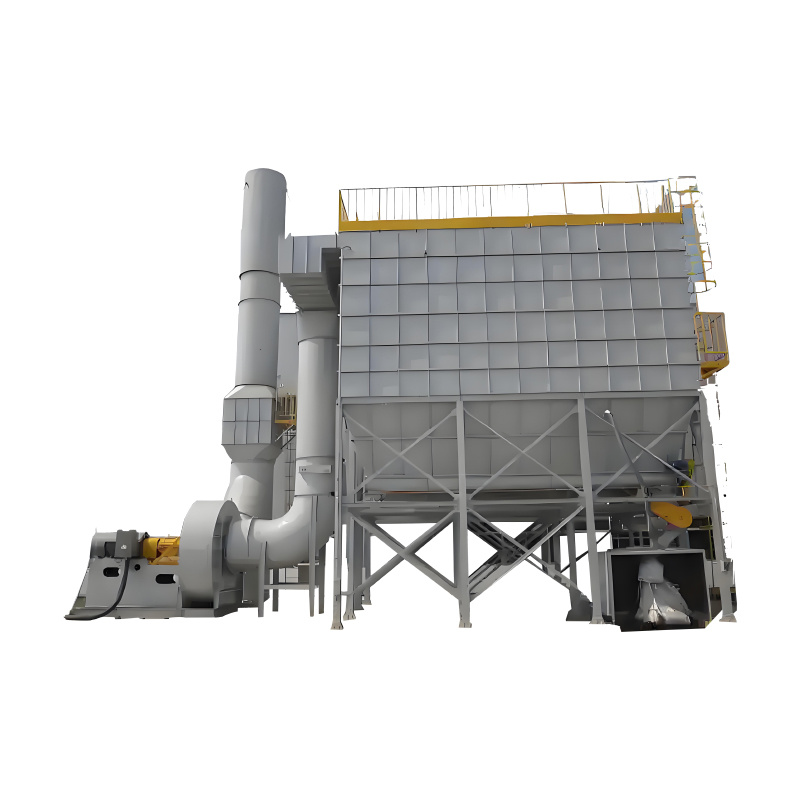
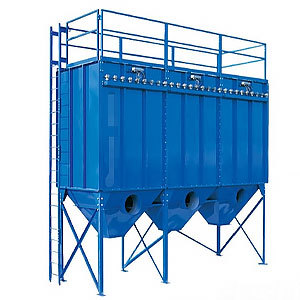
In the field of industrial dust removal, the Pulse Jet Dust Collector has become a standard configuration for modern factories to achieve continuous production and meet emission standards due to its efficient filtration capacity and unique automatic dust cleaning mechanism. Unlike traditional equipment that relies on manual tapping or mechanical vibration to clean dust, pulse dust collectors utilize the instantaneous explosive force of compressed air to achieve online cleaning of filter bags or cartridges, completely solving the problem of dust blockage.
1、 Core principle: Instantaneous high pressure and reverse airflow
The core of pulse dust collector lies in the "pulse blowing" technology. Its working process is not simply blowing air, but a precise aerodynamic coordination:
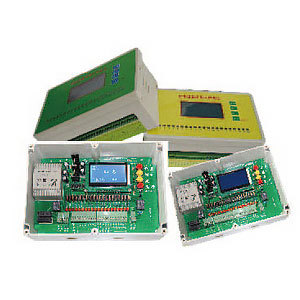
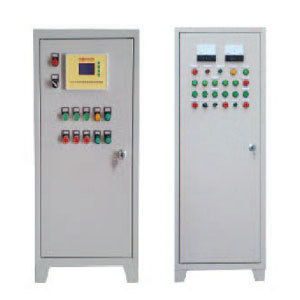
1. Trigger mechanism: After the dust collector runs for a period of time, the dust layer on the surface of the filter bag thickens, causing an increase in equipment resistance. The intelligent control system will send electrical signals to the electromagnetic pulse valve based on preset time intervals or pressure difference thresholds.
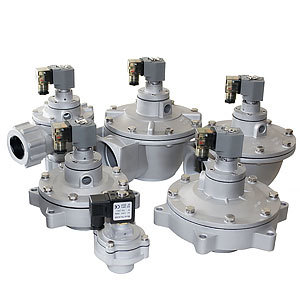
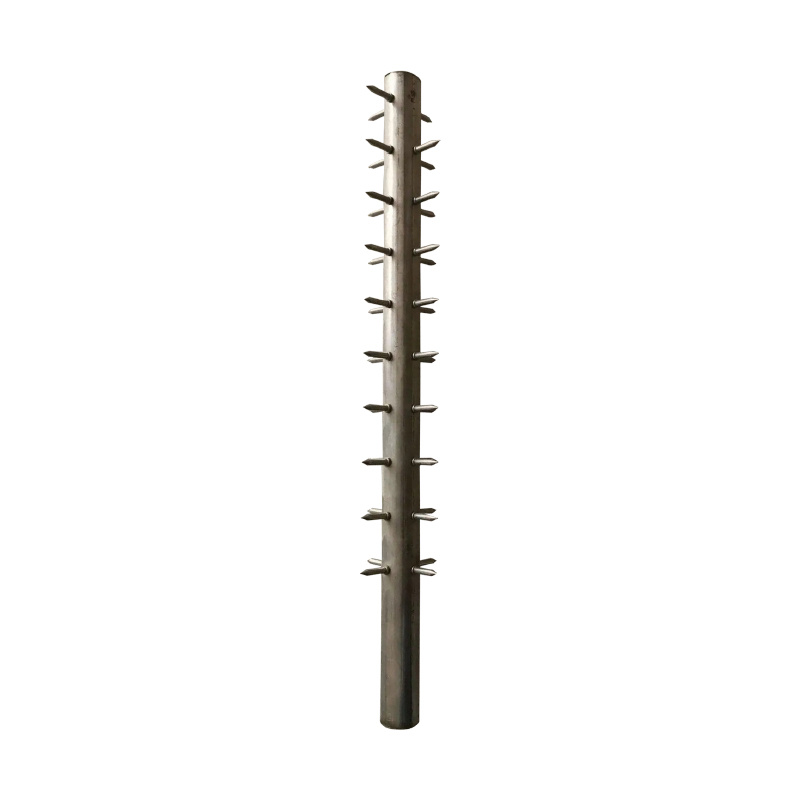
2. Instantaneous spraying: The electromagnetic pulse valve opens within milliseconds, and the high-pressure compressed air in the air storage bag is sprayed out at high speed through the small hole on the spraying pipe.
3. Induction effect: The high-speed jet of air will induce secondary air several times larger than itself to enter the interior of the filter bag together.
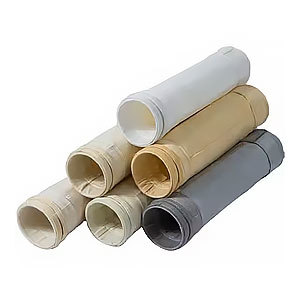
4. Dust cleaning action: This huge airflow causes the filter bag to instantly expand rapidly, generating high-frequency vibration and forming a reverse airflow. These two forces work together to peel off the dust layer attached to the outer surface of the filter bag, causing it to fall into the ash hopper below.
The entire process only takes 0.1 to 0.2 seconds, and the cleaning intensity is high, which can effectively remove fine and viscous dust.
2、 Two mainstream modes of automatic dust cleaning
In order to adapt to different working conditions, the automatic cleaning of pulse dust collectors usually adopts the following two control strategies:
1. Regular dust cleaning: Work in a cyclic manner according to the preset time cycle. This method has a simple logic and is suitable for scenarios where the amount of dust generated is relatively stable and the working conditions do not change significantly.
2. Fixed resistance (pressure difference) dust cleaning: Real time monitoring of equipment resistance is achieved through pressure difference sensors installed at the inlet and outlet of the dust collector. Dust cleaning is only initiated when the resistance reaches the set upper limit, and stops when it drops to the lower limit. This method is more energy-efficient and can effectively avoid mechanical damage to the filter bag caused by "excessive cleaning", extending the service life of the filter bag.
3、 Online and offline dust cleaning
According to whether the airflow is cut off during dust cleaning, pulse dust collectors are divided into two structural forms: online and offline:
1. Online dust cleaning: During the dust cleaning process, the filter bag in the room continues to filter. Its advantage is that it has a simple structure, does not require a lifting valve, and is suitable for working conditions with low dust concentration and low viscosity.
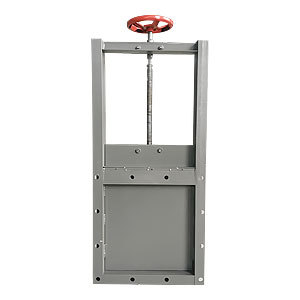
2. Offline dust cleaning: Before cleaning, close the inlet valve of the room, cut off the dusty airflow, and keep the filter bag in a stationary state before spraying. This method eliminates the interference of filtered airflow on dust cleaning, resulting in more thorough cleaning and effectively preventing the "secondary adsorption" of dust. It is particularly suitable for handling high concentration, fine or viscous dust.
4、 Technological advantages and industrial value
The reason why pulse dust collectors have become the mainstream choice for industrial dust removal is mainly due to their significant technological advantages:
1. Continuous operation capability: Automatic dust cleaning without stopping, ensuring the continuity of the production line, especially suitable for large-scale, uninterrupted industrial production.
2. High filtration efficiency: The powerful dust cleaning ability ensures that the filter bag always maintains good breathability, and the equipment has stable operating resistance. The filtration efficiency can usually reach over 99.9%.
3. Strong adaptability: Whether it is high-temperature flue gas, high humidity gas, or flammable and explosive dust, pulse dust collectors can handle it by selecting suitable filter materials and explosion-proof designs.
The pulse dust collector achieves high efficiency and intelligence in industrial dust control through automated dust cleaning technology. It not only significantly reduces manual maintenance costs, but also provides solid technical support for green production in modern industry through stable operational performance. For foreign trade exports, understanding their dust cleaning principles and control logic is the key to demonstrating equipment professionalism and reliability to customers.
Hot Tags:

Contact Us
Tel:
WeChat:
WhatsApp:
E-mail:
Address:
338 National Road South, Longfengdian Village, Botou City, Hebei Province, China
JiuznTomine is expertly delivering technically complicated projects in markets & provides custom solutions for their customized need.


CONTACT INFO
Tel: +86 18531710311
WeChat: +86-18531710311
338 National Road South, Longfengdian Village, Botou City, Hebei Province, China