












Common classification and application scenarios of industrial dust collectors
Jun 09,2025

In industrial production, dust control is a key link in ensuring environmental and production safety. According to different working principles and structural characteristics, industrial dust collectors are mainly divided into the following categories:
1. Filter type dust collector
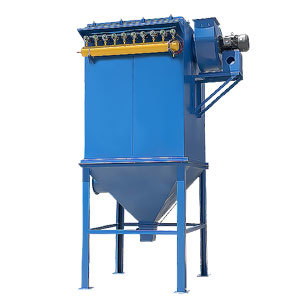
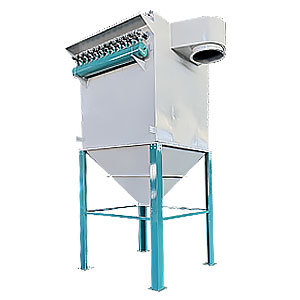
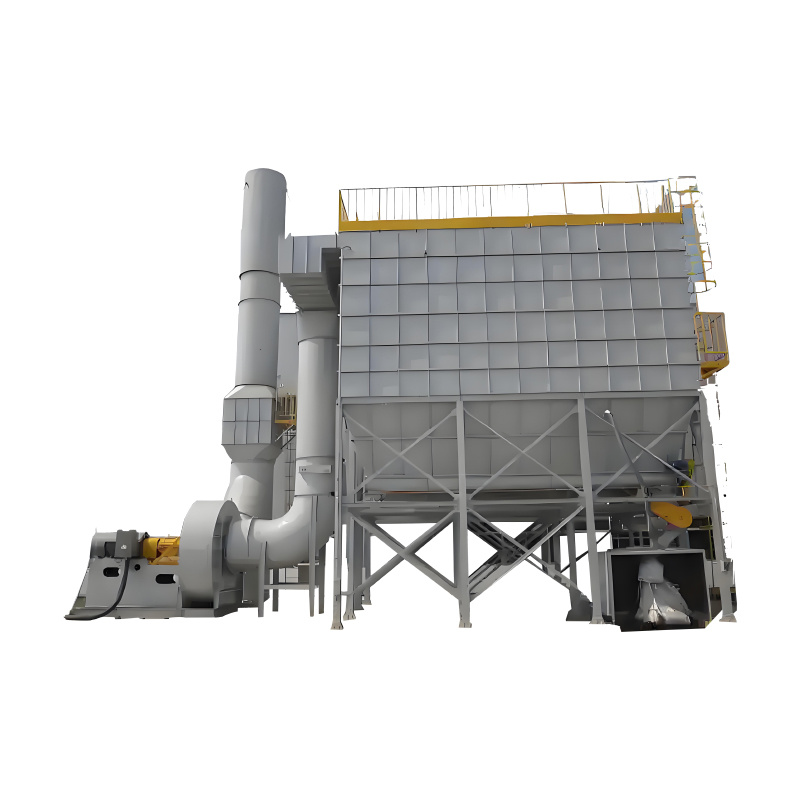
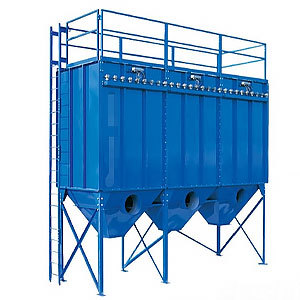
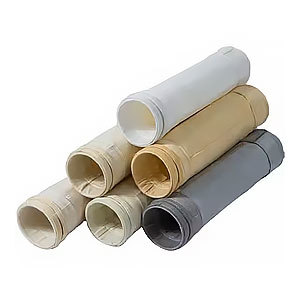
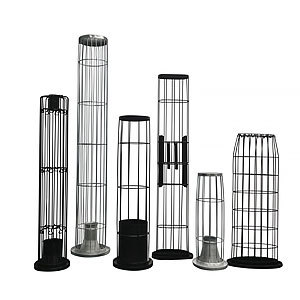
Bag filter: With fiber filter bags as the core filtering material, when dusty gas passes through the filter bags, the dust is intercepted on the surface of the filter bags and the clean gas is discharged. Suitable for dry dust, such as cement, metallurgy, and chemical industries, with a dust removal efficiency of over 99%. But in high temperature and high humidity environments, special material filter bags need to be selected.
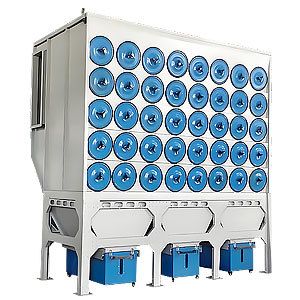
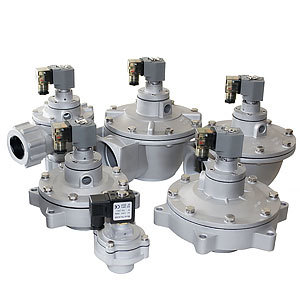
Plastic fired plate dust collector: using polymer sintered plastic fired plates as filtering elements, intercepting dust through surface filtration, with a dust removal efficiency of over 99.9%. Pulse blowing is used for dust cleaning, suitable for industries that require high precision, such as food, pharmaceuticals, and electronics.
2. Electrostatic precipitator
Electrostatic precipitators use high-voltage electric fields to charge dust, and negatively charged dust is adsorbed to the dust collection electrode under the action of electric field force, and then cleaned by vibration and other methods. It has a large air volume and low operating resistance, and is commonly used in large-scale industrial scenarios such as thermal power generation and steel smelting, but the initial investment cost is relatively high.
3. Mechanical dust collector
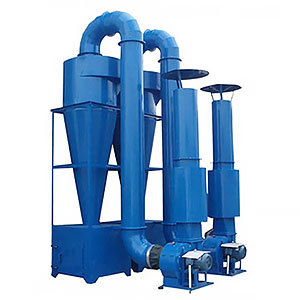
Cyclone dust collector: relying on centrifugal force to separate dust and gas. After entering the dust collector, the dusty gas undergoes rotational motion, and the dust is thrown towards the wall due to centrifugal force and falls into the ash hopper along the wall surface. The structure is simple and easy to maintain, but the dust removal efficiency is low. It is often used as a primary dust removal equipment in combination with other dust collectors.
Inertial dust collector: Utilizing the difference in inertia between dust and gas during movement, the dust is separated due to inertia hitting the baffle or changing the direction of the airflow. It is suitable for capturing coarse dust with a particle size of 10 microns or more.
4. Wet dust collector
Dust is captured by water through contact with dusty gases such as water mist and water film. It can handle high temperature, flammable dust, and purify harmful gases, but it will generate wastewater and requires supporting sewage treatment equipment. Common types include spray towers, Venturi dust collectors, etc., which are widely used in industries such as mining and casting.
Understanding the characteristics and applicable scenarios of different types of industrial dust collectors can help companies choose equipment more accurately and achieve the dual goals of efficient dust removal and environmentally friendly production.
Hot Tags:


Contact Us
Tel:
WeChat:
WhatsApp:
E-mail:
Address:
338 National Road South, Longfengdian Village, Botou City, Hebei Province, China
JiuznTomine is expertly delivering technically complicated projects in markets & provides custom solutions for their customized need.


CONTACT INFO
Tel: +86 18531710311
WeChat: +86-18531710311
338 National Road South, Longfengdian Village, Botou City, Hebei Province, China