











Reasons for rusting of dust removal skeleton and anti-corrosion treatment
Apr 17,2026
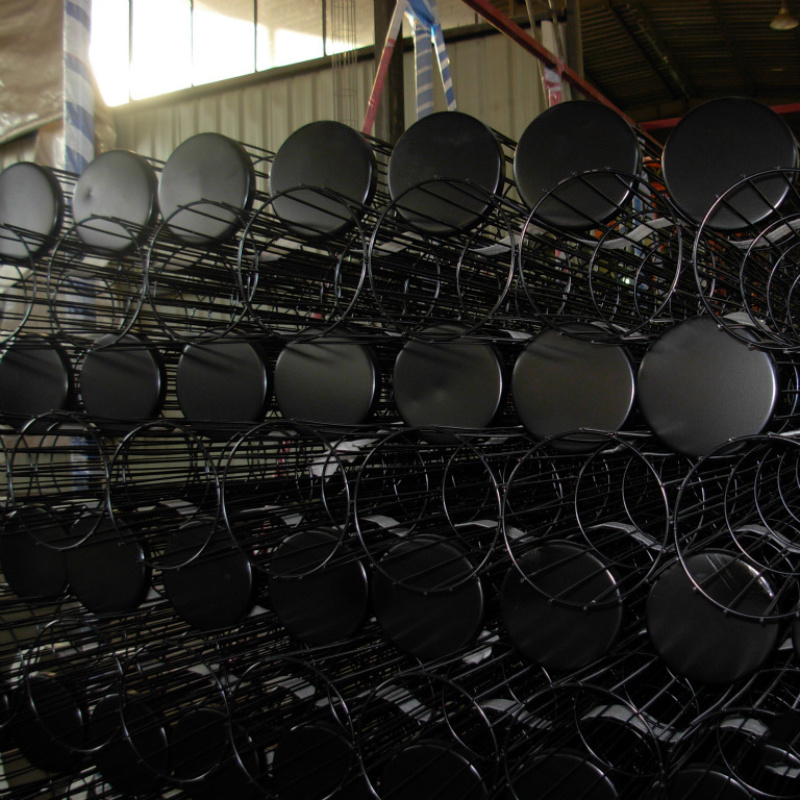
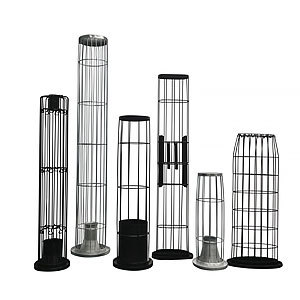
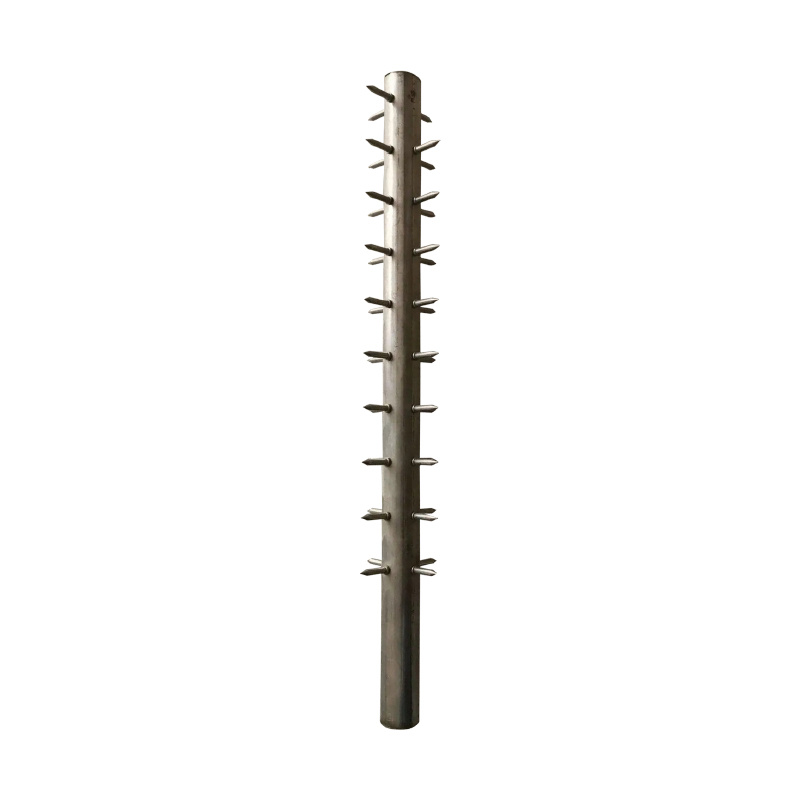
As the core supporting component of the bag filter, the performance of the dust removal skeleton directly affects the service life of the filter bag and the dust removal efficiency of the equipment. Rust is the most common loss problem of dust removal skeleton, which can cause deformation and damage to the skeleton, thereby damaging the filter bag and affecting the stable operation of the equipment. This article analyzes the core reasons for rusting of dust removal skeletons, provides practical anti-corrosion treatment methods, and provides practical references for foreign trade practitioners and equipment maintenance personnel, balancing simplicity and professionalism.
1、 The core reason for rusting of dust removal skeleton
The rusting of the dust removal framework is mainly caused by four factors: environment, material, process, and operation and maintenance. There is no complex redundancy, and the focus is on the key causes:
1. Environmental factors: Long term exposure to high humidity, high dust, and corrosive working conditions, where water vapor and corrosive dust adhere to the surface of the skeleton, damaging the surface protective layer and causing oxidation and rusting; Outdoor installation or inadequate equipment sealing can lead to rainwater and moisture infiltration, accelerating corrosion.
2. Material factor: ordinary carbon steel material is selected, which has not been treated with anti-corrosion or has insufficient anti-corrosion level. The material itself has weak anti-corrosion ability and is prone to rusting when exposed to harsh working conditions for a long time; Excessive impurities in the material can also reduce its corrosion resistance.
3. Process factors: During the production process, the welding joints of the skeleton were not thoroughly derusted, resulting in porosity and slag inclusion in the welds. The protective coating was not evenly covered, which could easily become a breakthrough point for rust; Insufficient coating thickness, poor adhesion, easy detachment during use, and loss of anti-corrosion effect.
4. Operation and maintenance factors: In daily operation and maintenance, if the surface ash and water vapor of the skeleton are not cleaned in a timely manner, the accumulated ash will adhere and absorb moisture for a long time, accelerating corrosion; If the equipment is not properly moisture-proof after shutdown, the skeleton will be exposed to a humid environment for a long time, which can easily cause static rusting.
2、 Practical anti-corrosion treatment method (with strong practicality)
(1) Early prevention: Reduce the possibility of rust from the source
1. Material selection: Priority should be given to corrosion-resistant materials such as stainless steel and galvanized carbon steel, suitable for acid-base and high humidity working conditions; Ordinary carbon steel skeleton needs to undergo comprehensive anti-corrosion treatment in advance to enhance its corrosion resistance.
2. Production process optimization: During skeleton production, thoroughly remove rust from the substrate, remove surface oxide layer and impurities; After welding, polish the weld seam to ensure a smooth surface, and then evenly spray anti-corrosion coating to control the coating thickness and improve adhesion.
3. Installation protection: Avoid outdoor installation of the skeleton, seal the equipment connections to prevent rainwater and moisture from entering; During the installation process, avoid scratching the surface coating of the skeleton. If there is any damage, repair it in a timely manner.
(2) Post processing: repair and maintenance of rusted skeleton
1. Mild rusting: Use sandpaper and wire brush to thoroughly polish the rusted area, remove rust and oxide layer, clean the surface dust and oil stains, then apply anti-corrosion paint or special anti-corrosion coating to ensure complete coverage. After drying, put it into use.
2. Moderate rust: After grinding and rust removal, check whether the skeleton is deformed, and correct it in a timely manner if there is any deformation; Key treatment should be given to welding joints and areas with severe coating damage. First, apply primer, then apply topcoat to enhance the anti-corrosion effect.
3. Severe rusting: When the skeleton has undergone severe deformation or damage and cannot be repaired, it should be replaced with a new skeleton in a timely manner to avoid damaging the filter bag or affecting the operation of the equipment; After replacement, carry out anti-corrosion protection according to the previous prevention requirements.
3、 Key points for daily maintenance and anti-corrosion
1. Regular cleaning: Clean the surface area of the skeleton every week to prevent dust accumulation, moisture absorption, and accelerated corrosion; Check the status of the skeleton coating every month and promptly repair any damages or peeling.
2. Environmental control: Optimize the operating environment of equipment, reduce workshop humidity, and avoid direct contact of corrosive dust with the skeleton; After the equipment is shut down, close the compartment door, take moisture-proof measures, and place desiccants if necessary.
3. Regular inspection: Conduct a comprehensive inspection of the rusting situation of the skeleton every quarter, with a focus on checking the weak parts of the welds and coatings, and take preventive measures in advance to reduce the risk of rusting.
Summary: The core causes of rusting in dust removal skeletons are environmental corrosion, insufficient materials, and improper operation and maintenance. Through scientific selection, standardized processes, and daily protection, rusting problems can be effectively reduced. The rusted skeleton needs to be repaired according to the degree of rust, taking into account both early prevention and later maintenance, in order to extend the service life of the skeleton and ensure the stable operation of the bag filter.
Hot Tags:


Contact Us
Tel:
WeChat:
WhatsApp:
E-mail:
Address:
338 National Road South, Longfengdian Village, Botou City, Hebei Province, China
JiuznTomine is expertly delivering technically complicated projects in markets & provides custom solutions for their customized need.


CONTACT INFO
Tel: +86 18531710311
WeChat: +86-18531710311
338 National Road South, Longfengdian Village, Botou City, Hebei Province, China