












Understanding the Different Types of Cyclone Dust Collectors Available: A Comprehensive Guide
Apr 17,2026
Understanding the Different Types of Cyclone Dust Collectors Available
Cyclone dust collectors are critical components in industrial air purification systems. They efficiently remove particulate matter from the air, contributing to a cleaner and healthier work environment. In this comprehensive guide, we will explore the various types of cyclone dust collectors available, their benefits, and appli

Understanding the Different Types of Cyclone Dust Collectors Available
Cyclone dust collectors are critical components in industrial air purification systems. They efficiently remove particulate matter from the air, contributing to a cleaner and healthier work environment. In this comprehensive guide, we will explore the various types of cyclone dust collectors available, their benefits, and applications, enabling you to make informed choices for your facility.
Table of Contents
- What is a Cyclone Dust Collector?
- How Do Cyclone Dust Collectors Work?
- Types of Cyclone Dust Collectors
- High-Efficiency Cyclone Dust Collectors
- Standard Cyclone Dust Collectors
- Multi-Cyclone Dust Collectors
- Wet Cyclone Dust Collectors
- Custom Cyclone Dust Collectors
- Benefits of Using Cyclone Dust Collectors
- Applications of Cyclone Dust Collectors
- Selection Criteria for Cyclone Dust Collectors
- Maintenance of Cyclone Dust Collectors
- Conclusion
- FAQs
What is a Cyclone Dust Collector?
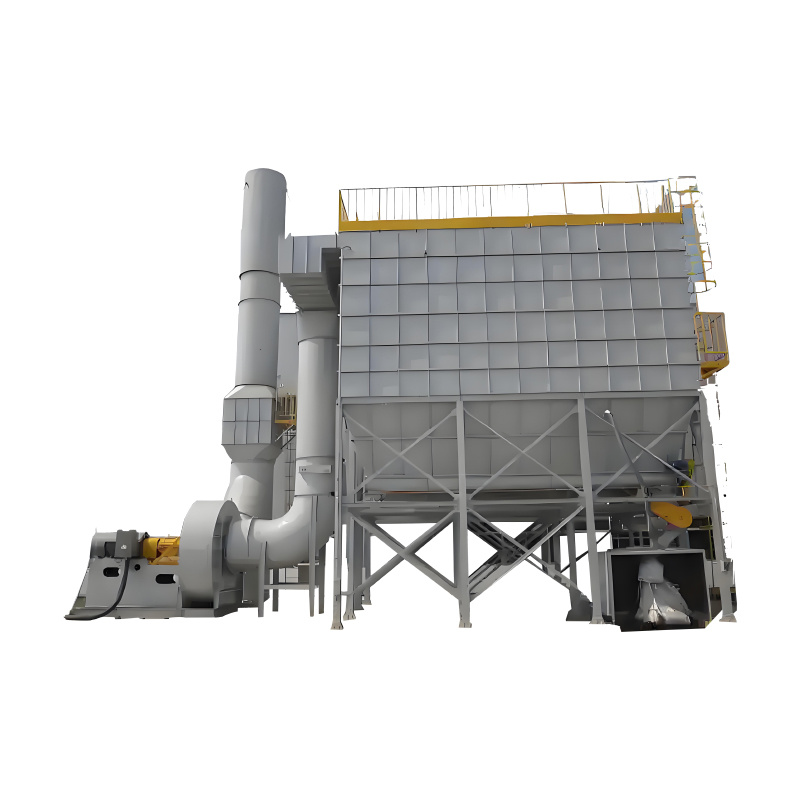
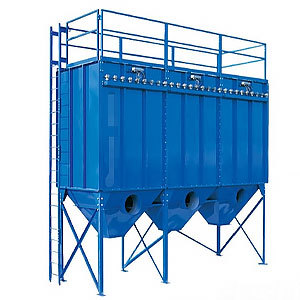
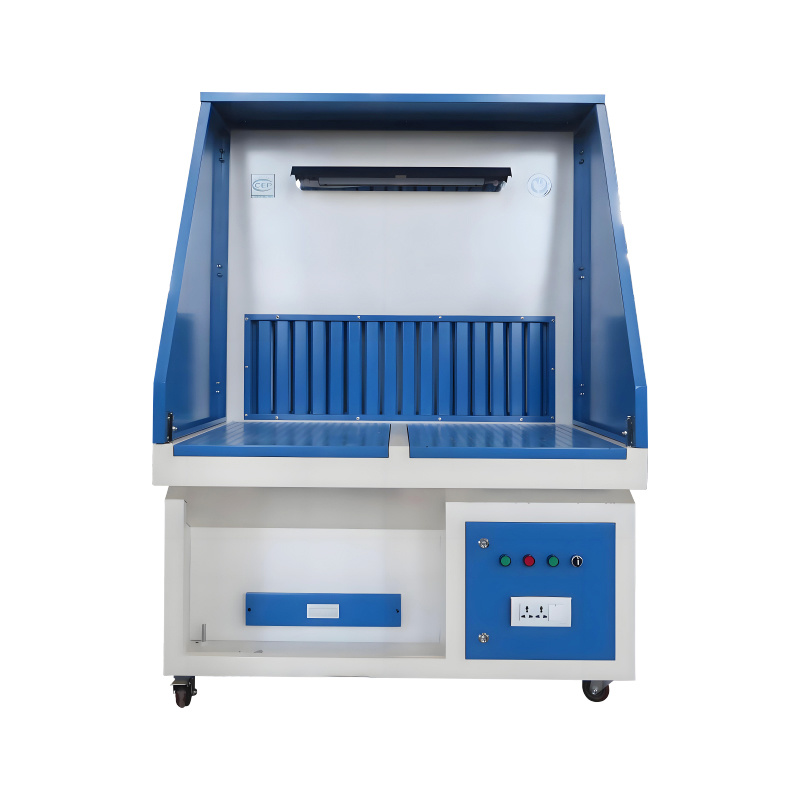
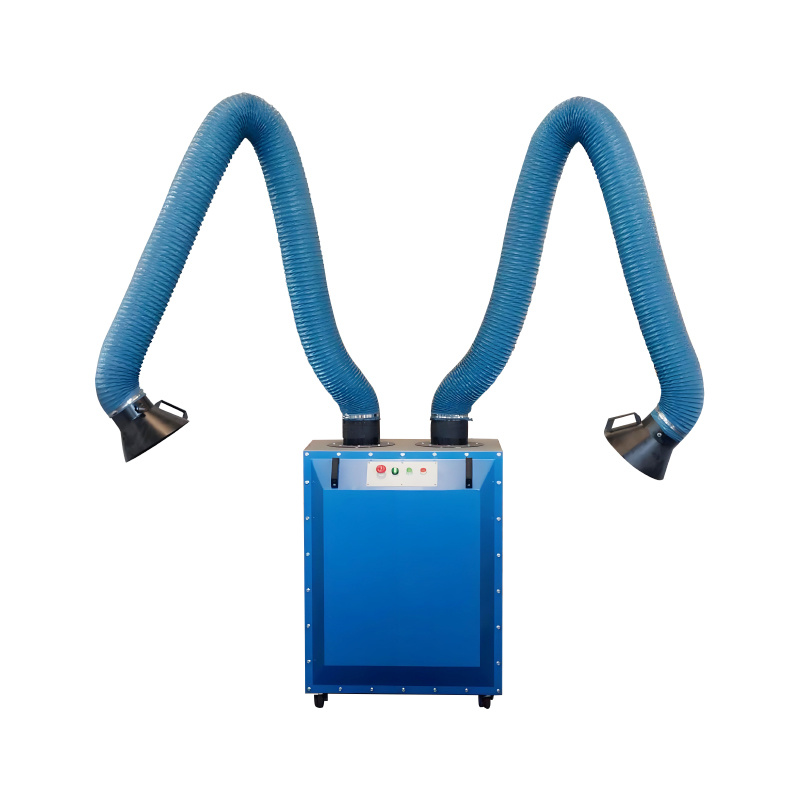
A cyclone dust collector is an efficient air pollution control device that separates and collects airborne dust and particulate matter from industrial processes. By utilizing centrifugal force, these collectors ensure that dust-laden air is cleaned before being released back into the environment. Unlike bag filters or other filtration systems, cyclone dust collectors effectively handle higher volumes of air and heavy dust loads, making them ideal for various industrial applications.
How Do Cyclone Dust Collectors Work?
The operation of a cyclone dust collector is straightforward yet effective. When dust-laden air enters the collector, it spirals through a cylindrical chamber. The centrifugal force generated by the spinning air throws heavier particles against the walls of the collector. These particles then fall into a hopper or collection bin while the clean air continues upward and exits the collector. The design of cyclone dust collectors enables them to achieve high efficiency while requiring minimal maintenance.
Types of Cyclone Dust Collectors
Understanding the various types of cyclone dust collectors available is essential for selecting the right system for your application. Here are the main categories:
High-Efficiency Cyclone Dust Collectors
High-efficiency cyclone dust collectors are designed to capture smaller particles that traditional models may miss. With advanced aerodynamic designs and optimized airflow, they provide superior performance in environments with stringent air quality requirements. These collectors often feature multiple stages to enhance particle separation, making them suitable for industries such as pharmaceuticals and electronics.
Standard Cyclone Dust Collectors
Standard cyclone dust collectors are the most common type found in industrial settings. They offer a good balance between performance and cost, making them ideal for a wide range of applications. These systems effectively handle larger particulate matter, such as wood chips and metal shavings, and are prevalent in woodworking, metalworking, and mining industries.
Multi-Cyclone Dust Collectors
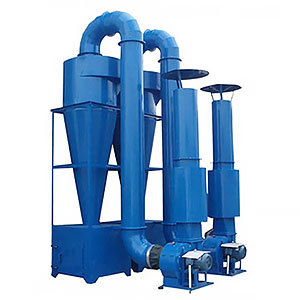
Multi-cyclone dust collectors consist of multiple cyclone units working in tandem to enhance dust collection efficiency. This design allows for a higher airflow capacity, making it suitable for facilities with significant dust generation. These collectors are ideal for industries that process large quantities of bulk materials, such as agriculture and construction.
Wet Cyclone Dust Collectors
Wet cyclone dust collectors use a liquid medium to capture dust particles. These systems are particularly effective for controlling highly flammable or explosive dust, as the water helps to suppress combustion. Wet collectors also handle sticky or moist materials that would otherwise clog traditional dry collectors. These systems are commonly used in industries such as food processing and chemical manufacturing.
Custom Cyclone Dust Collectors
For unique industrial applications, custom cyclone dust collectors can be engineered to meet specific needs. Manufacturers can tailor these systems based on factors such as airflow requirements, dust characteristics, and installation space. This level of customization ensures optimal efficiency and effectiveness in air pollution control.
Benefits of Using Cyclone Dust Collectors
Investing in cyclone dust collectors offers numerous benefits for industrial facilities:
1. **Cost-Effective**: Cyclone dust collectors typically require lower energy consumption and maintenance costs compared to other types of dust collection systems.
2. **High Efficiency**: They effectively capture a wide range of particle sizes, ensuring that the air quality in your facility remains within acceptable limits.
3. **Durability**: These systems are built to withstand harsh industrial environments, providing long-lasting performance.
4. **Easy Maintenance**: With minimal moving parts, cyclone dust collectors are relatively easy to maintain compared to other filtration systems.
5. **Versatility**: They can be used across various industries, making them a flexible solution for air pollution control.
Applications of Cyclone Dust Collectors
Cyclone dust collectors are used in numerous industries, including:
- **Woodworking**: To capture wood dust and chips during cutting and sanding processes.
- **Metalworking**: For controlling metal shavings and dust generated by machining operations.
- **Mining**: To manage dust produced during excavation and material handling.
- **Agriculture**: For collecting grain dust and other particulates.
- **Food Processing**: In wet cyclone collectors, to manage flour and other food powders.
Selection Criteria for Cyclone Dust Collectors
When selecting a cyclone dust collector, consider the following factors:
- **Airflow Requirements**: Calculate the necessary airflow rates for your specific application to ensure optimal performance.
- **Particle Size Distribution**: Understand the types of dust you'll be collecting to choose an appropriate collector type.
- **Space Availability**: Assess your facility’s layout to ensure that the selected collector fits without compromising workflow.
- **Material Compatibility**: Ensure that the materials used in the cyclone are suited for the type of dust being collected.
- **Regulatory Compliance**: Make sure the collector meets relevant environmental standards and safety regulations.
Maintenance of Cyclone Dust Collectors
Regular maintenance is crucial to ensure the longevity and efficiency of cyclone dust collectors. Here are some maintenance tips:
1. **Inspect the Collector**: Regularly check for signs of wear or damage, especially in the cyclone body and hoppers.
2. **Clean the Hopper**: Ensure that the collection bin is emptied frequently to prevent overflow and maintain optimal performance.
3. **Monitor Airflow**: Check airflow rates to ensure that the system operates within its designed specifications.
4. **Replace Parts as Needed**: Stay on top of replacing any worn components to avoid operational failures.
5. **Conduct Regular Performance Testing**: Periodically test the system's efficiency to ensure it meets air quality standards.
Conclusion
Understanding the different types of cyclone dust collectors available is essential for maintaining a safe and healthy industrial environment. By evaluating the unique needs of your facility, considering the various types of collectors, and adhering to proper maintenance routines, businesses can significantly improve their air quality management. Investing in the right cyclone dust collector not only enhances operational efficiency but also contributes to a safer workplace.
FAQs
1. What is the main advantage of a cyclone dust collector?
The main advantage of cyclone dust collectors is their ability to efficiently separate dust and particulate matter from the air using centrifugal force, which often requires less maintenance compared to other filtration systems.
2. How often should cyclone dust collectors be maintained?
Regular maintenance should be conducted at least once a month, but the frequency may vary depending on the amount of dust generated in your facility.
3. Can cyclone dust collectors handle wet materials?
Yes, wet cyclone dust collectors are specifically designed to manage damp or sticky materials, making them suitable for various applications, including food processing.
4. Are cyclone dust collectors energy-efficient?
Yes, cyclone dust collectors are generally energy-efficient due to their simple design and lack of moving parts, resulting in lower operational costs.
5. How do I choose the right cyclone dust collector for my application?
To choose the right cyclone dust collector, assess your airflow requirements, particle size distribution, space availability, material compatibility, and ensure compliance with relevant regulations.
Hot Tags:
PREVIOUS:

Contact Us
Tel:
WeChat:
WhatsApp:
E-mail:
Address:
338 National Road South, Longfengdian Village, Botou City, Hebei Province, China
JiuznTomine is expertly delivering technically complicated projects in markets & provides custom solutions for their customized need.


CONTACT INFO
Tel: +86 18531710311
WeChat: +86-18531710311
338 National Road South, Longfengdian Village, Botou City, Hebei Province, China