


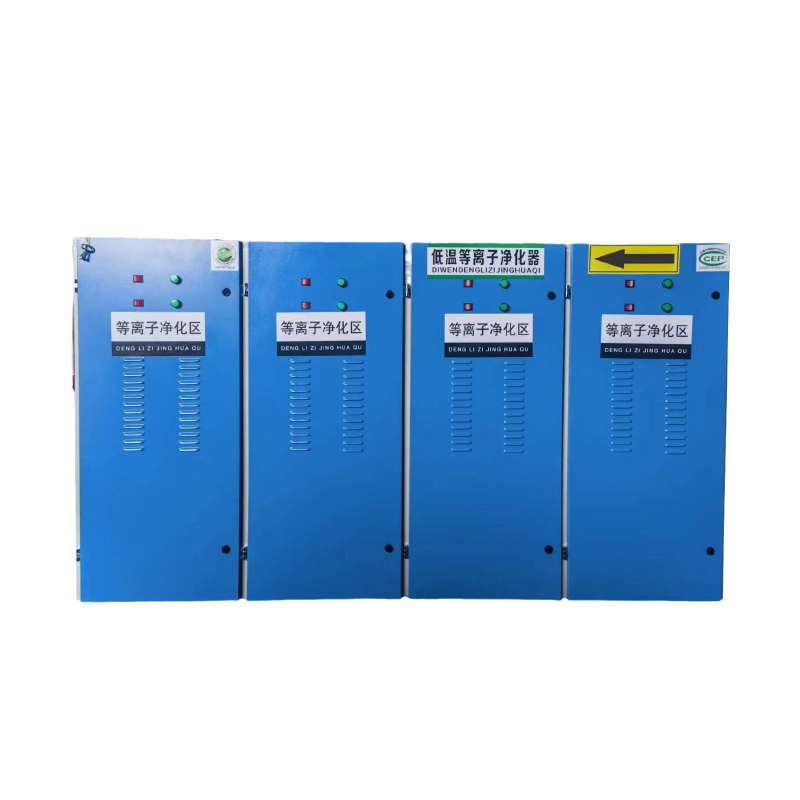
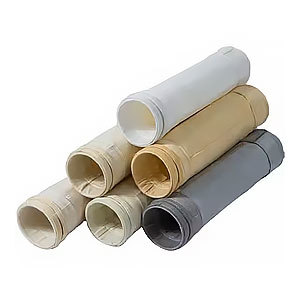
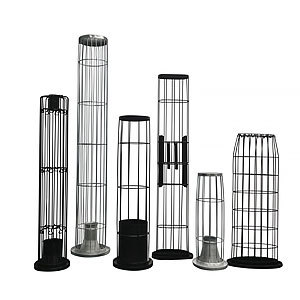
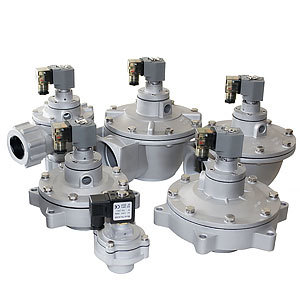










Summary of application scenarios for electrostatic precipitators, suitable for large-scale industrial flue gas treatment
Apr 02,2026

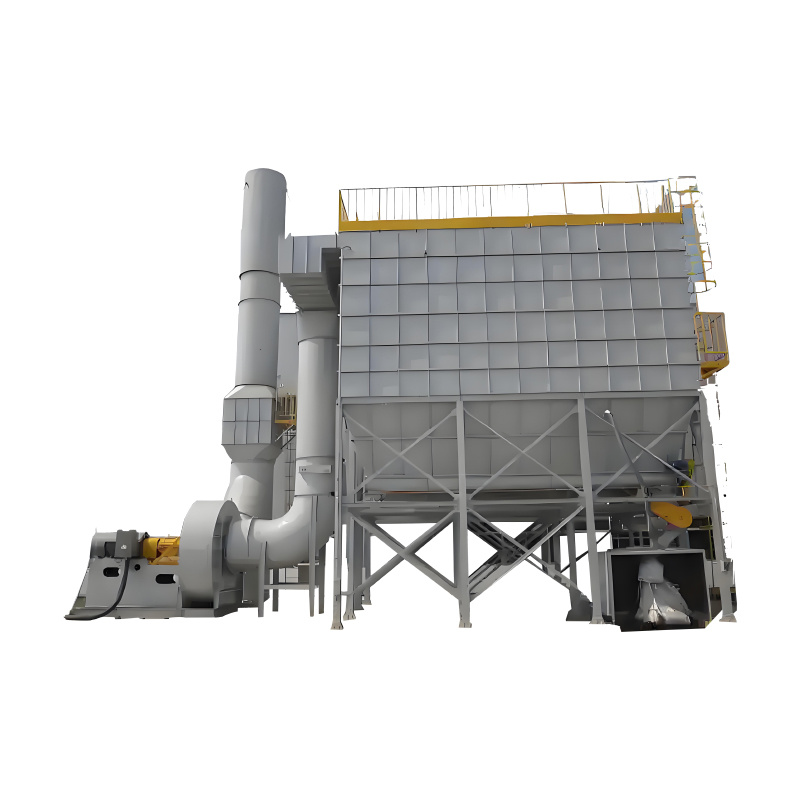
Electrostatic precipitators are designed specifically for large-scale industrial flue gas purification due to their characteristics of high air volume, low resistance, low energy consumption, and high temperature resistance. They are widely used in high air volume, high concentration, and high temperature flue gas scenarios. It uses a high-voltage electrostatic field to capture fine dust particles of 0.01-50 μ m, with a dust removal efficiency of over 99%, which can meet strict global environmental standards and does not require frequent maintenance, ensuring long-term stable operation.
Compared to small and medium-sized dust removal equipment, electrostatic precipitators can adapt to the flue gas treatment needs of a single unit of 100000 to millions of cubic meters per hour, and can adapt to complex working conditions such as high temperature, high dust, and corrosiveness. They are the core equipment for large-scale industrial flue gas treatment. Below is a detailed summary of its application scenarios and adaptation details, combined with mainstream industrial fields worldwide.
1、 Power industry: core scenarios for flue gas treatment in large coal-fired power plants
The power industry is the most core application area of electrostatic precipitators, especially suitable for flue gas treatment of large coal-fired power plant boilers. A single boiler in a large coal-fired power plant can generate hundreds of thousands of cubic meters of dusty flue gas per hour, with a dust concentration exceeding 500mg/m ³ and a flue gas temperature of 120 ℃ -150 ℃. It needs to be coordinated with a desulfurization and denitrification system for treatment, and the electrostatic precipitator can be perfectly adapted.
It is mainly installed at the tail of the boiler to remove flue gas and fly ash to protect subsequent equipment. By optimizing the electrode layout and intelligent power supply regulation, the dust emission concentration can be stably controlled below 10mg/m ³ (some can reach below 5mg/m ³). At the same time, its low resistance and low energy consumption characteristics of 200-500Pa can reduce the load on the induced draft fan, save costs, and meet the long-term continuous production needs of power plants.
2、 Metallurgical Industry: Exclusive Treatment Scenarios for High Temperature and High Dust Smoke
The steelmaking, ironmaking, and roasting processes in the metallurgical industry (steel and non-ferrous metal smelting) generate high-temperature and high dust flue gas with a temperature range of 300 ℃ -800 ℃ and a maximum dust concentration of over 100g/m ³. Ordinary equipment is difficult to adapt to, and electrostatic precipitators have become the preferred choice.
1. Steel industry: applied to equipment such as blast furnaces, converters, sintering machines, etc., such as sintering head flue gas treatment. A single horizontal electrostatic precipitator can reduce the emission concentration from 50mg/m ³ to below 10mg/m ³, eliminating gypsum rain; High temperature flue gas from blast furnaces can be purified by high-temperature resistant alloy equipment, while valuable dust such as iron oxide can be recovered.
2. Nonferrous metal smelting: Suitable for copper, aluminum, zinc roasting and smelting processes, using stainless steel anti-corrosion coating electrostatic precipitators, can resist corrosive dust and harmful gases, ensuring environmental compliance and production safety.
3、 Building materials industry: large-scale production of flue gas treatment scenarios
Large building materials enterprises such as cement, ceramics, and glass produce hundreds of thousands of cubic meters of dusty flue gas per hour in the production process (cement kiln tail, glass melting furnace, etc.), with a dust concentration exceeding 150g/m ³, and some flue gas temperatures reaching 350 ℃ -450 ℃. The adaptability of electrostatic precipitators is outstanding.
In the cement industry, wide spacing horizontal electrostatic precipitators can handle high specific resistance dust at the kiln tail, avoid back corona, and maintain a stable emission concentration within 20mg/m ³. The modular design can be adapted to different scale production lines; In the glass and ceramic industries, their high temperature resistance can prevent filter bag burnout, ensuring long-term stable operation and product quality.
4、 Chemical industry: complex component flue gas treatment scenarios
The flue gas composition of large chemical enterprises (fertilizers, fine chemicals, etc.) is complex, containing high concentrations of dust, corrosive gases, and flammable and explosive substances, which require extremely high equipment safety. Customized electrostatic precipitators can be perfectly adapted.
Through anti-corrosion and explosion-proof design, anti-static treatment, and intelligent monitoring system, the risk of explosion can be avoided, and the real-time monitoring of equipment operation status can be achieved. In fine chemical industry, it can purify flue gas containing acid, alkali, and organic dust with a removal rate of over 99%; In fertilizer production, dust can be recycled and raw material waste can be reduced.
5、 Garbage incineration industry: ultra-low emission flue gas treatment scenarios
The flue gas from large-scale garbage incineration plants contains smoke and dust PM2.5、 Dioxins and heavy metals have high humidity and complex composition. Wet electrostatic precipitators are the core adaptive equipment that can achieve ultra-low emissions.
It forms a water film through spraying to remove dust, and has a significant effect on the treatment of PM2.5 and sulfuric acid mist. The dust removal efficiency is over 99.9%, and the emission concentration is less than 10mg/m ³. It can synergistically remove heavy metals and dioxins. The single processing air volume can reach 3 million m ³/h, which is suitable for the needs of large garbage incineration plants.
6、 Additional Large Industrial Scenarios
In addition to the above scenarios, electrostatic precipitators are also suitable for flue gas treatment needs such as large biomass power plants (high temperature resistance, anti-corrosion), mine crushing and screening (high dust and large air volume), and large paper mill boilers (efficient dust removal compliance).
7、 Summary of Core Adaptation in Application Scenarios
Electrostatic precipitators have become the preferred choice for large-scale industrial flue gas treatment, with the core being precise matching of three major requirements: first, high air volume processing capacity, without the need for multiple equipment combinations; Secondly, it is suitable for complex working conditions such as high temperature, high dust, and corrosiveness, without the need for complex pretreatment; The third is efficient dust removal, stable operation, meeting global environmental standards, and reducing the impact of production downtime.
Through customized design of materials, structures, and power supply systems, it can adapt to different smoke characteristics in different scenarios without the need to replace the entire equipment, significantly reducing enterprise investment and operation costs, which is also the key to its core position.
Hot Tags:


Contact Us
Tel:
WeChat:
WhatsApp:
E-mail:
Address:
338 National Road South, Longfengdian Village, Botou City, Hebei Province, China
JiuznTomine is expertly delivering technically complicated projects in markets & provides custom solutions for their customized need.


CONTACT INFO
Tel: +86 18531710311
WeChat: +86-18531710311
338 National Road South, Longfengdian Village, Botou City, Hebei Province, China