












How to extend the service life of cyclone dust collectors?
Mar 12,2026

As a commonly used equipment for industrial dust removal and exhaust gas pretreatment, cyclone dust collectors have a simple structure and no vulnerable electrode components. However, long-term operation in dusty airflow, temperature differences, and wear environments can still cause problems such as cylinder wear, air leakage, and efficiency decline, shortening the overall life of the machine. For cross-border equipment operation and maintenance, as well as overseas factory management in the context of foreign trade, implementing full cycle standardized control can not only reduce downtime due to malfunctions, but also significantly extend the service life.
1、 Standardize initial installation and build a long-term foundation
Installation errors are the core cause of premature aging of equipment in the later stage. It is necessary to strictly control the installation accuracy and eliminate inherent hazards.
1. Ensure verticality and sealing: The cylinder and cone must be installed vertically. Excessive inclination deviation can cause airflow deviation and exacerbate local erosion and wear; Sealing gaskets should be installed at flange connections, maintenance doors, and ash discharge ports, and bolts should be tightened to prevent air leakage. Excessive air leakage can directly damage the airflow field and accelerate inner wall wear.
2. Reasonable docking of pipelines: The inlet and outlet pipelines should be concentric with the equipment to avoid sharp bends, abrupt diameter changes, and reduce airflow turbulence; The import wind speed should be controlled within the design range (usually 12-25m/s). If the wind speed is too high, it will aggravate wear, while if it is too low, it will reduce dust removal efficiency and cause dust accumulation.
3. Ensure proper foundation fixation: The equipment base should be firmly leveled and equipped with shock absorption measures to avoid weld cracking and component loosening caused by operational vibration. Especially after installation during cross-border transportation, the overall levelness of the machine needs to be recalibrated.
2、 Strictly control operating conditions and reduce abnormal losses
Compliance with daily operating parameters is the key to avoiding wear, corrosion, and dust accumulation. Overloading and illegal operations should be avoided.
1. Stable flue gas/dusty airflow parameters: Control the flue gas temperature and humidity within the design range to avoid oxidation of the inner wall and dust adhesion and agglomeration caused by high temperature and high humidity airflow; For high hardness and high abrasive dust, reduce the inlet wind speed appropriately to minimize particle erosion on the cylinder.
2. Prevent foreign objects from entering: Install a filter screen at the inlet to prevent large debris and metal parts from entering the equipment, avoid hitting the cylinder, blocking the cone, and causing mechanical damage.
3. Avoid frequent start-up and shutdown: Frequent start-up and shutdown can easily cause airflow impact, dust accumulation, and exacerbate component fatigue wear. Try to maintain continuous and stable operation, and strictly follow the operating procedures for start-up and shutdown.
3、 Regular maintenance and cleaning to delay component aging
Regular maintenance can timely eliminate small hidden dangers, prevent small problems from evolving into complete machine failures, and is the core means of extending lifespan.
1. Regularly clean up accumulated dust: Cone and ash hopper are areas with heavy accumulation of dust. Regularly stop the machine to clean the sticky dust on the wall, prevent dust from clumping and blocking the channel, and avoid airflow from rubbing against the inner wall; The cleaning frequency is adjusted according to the viscosity and concentration of dust, and the cleaning cycle for sticky dust needs to be shortened.
2. Check the sealing and welding seams: conduct weekly inspections and maintenance of the sealing status of doors, flanges, and ash discharge valves, and replace aging gaskets in a timely manner; Every month, inspect the welds on the cylinder and cone, and immediately repair any cracks or rust to prevent air leakage from expanding and wear from worsening.
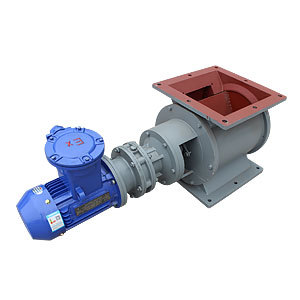
3. Maintenance of ash unloading device: The ash unloading valve is a vulnerable component, and lubricating oil should be regularly added to clean the stuck dust, ensure smooth opening and closing, prevent ash hopper blockage and backflow, and ensure stable airflow.
4. Check the wear of the inner wall: For high abrasion dust working conditions, regularly inspect the degree of wear on the inner wall of the cylinder and cyclone. If there is severe local wear, wear-resistant repairs can be carried out to avoid perforation and air leakage.
4、 Targeted protection, suitable for special working conditions
Customized protection measures for special dust and harsh environments can significantly enhance equipment's wear and tear resistance.
1. High abrasion dust: Spray wear-resistant coating on the inner wall and install wear-resistant lining plate to reduce particle erosion damage;
2. Damp/sticky dust: Install insulation and heating devices to prevent dust from sticking to walls and clumping, reducing inner wall corrosion;
3. Corrosive airflow: Choose components made of corrosion-resistant materials or apply anti-corrosion coatings to prevent oxidation and corrosion.
5、 Additional Attention to Cross border Operations and Maintenance
The cyclone dust collector exported from foreign trade needs to be tailored to local operating conditions for overseas operation and maintenance: priority should be given to storing general vulnerable spare parts (sealing gaskets, ash discharge valve accessories); Adjust the operating wind speed according to the characteristics of local smoke and dust; Regularly conduct a complete machine sealing test to avoid component loosening caused by cross-border transportation bumps.
The core of extending the lifespan of a cyclone dust collector is to control air leakage, maintain stable working conditions, perform frequent maintenance, and prevent wear and tear. As long as the entire process is properly regulated and controlled, the equipment can significantly exceed its designed service life under normal working conditions, reducing replacement and operation costs.
Hot Tags:
PREVIOUS:


Contact Us
Tel:
WeChat:
WhatsApp:
E-mail:
Address:
338 National Road South, Longfengdian Village, Botou City, Hebei Province, China
JiuznTomine is expertly delivering technically complicated projects in markets & provides custom solutions for their customized need.


CONTACT INFO
Tel: +86 18531710311
WeChat: +86-18531710311
338 National Road South, Longfengdian Village, Botou City, Hebei Province, China