











Common problems and solutions of electrostatic precipitators
Mar 12,2026

Electrostatic precipitator (ESP) is the core equipment for industrial dust removal and exhaust gas purification, which is prone to various malfunctions during operation due to changes in working conditions and component losses. This article summarizes high-frequency operation and maintenance issues in foreign trade scenarios, focusing on the root causes of faults and practical solutions to facilitate equipment operation and maintenance personnel to quickly troubleshoot and repair them.
1、 Continuous low dust removal efficiency (chimney ash emission/excessive emissions)
Fault phenomenon
The export dust concentration is high, and the visible smoke is dusty. The parameters of the high-pressure control cabinet fluctuate greatly, and the purification effect does not meet the standard.
core reason
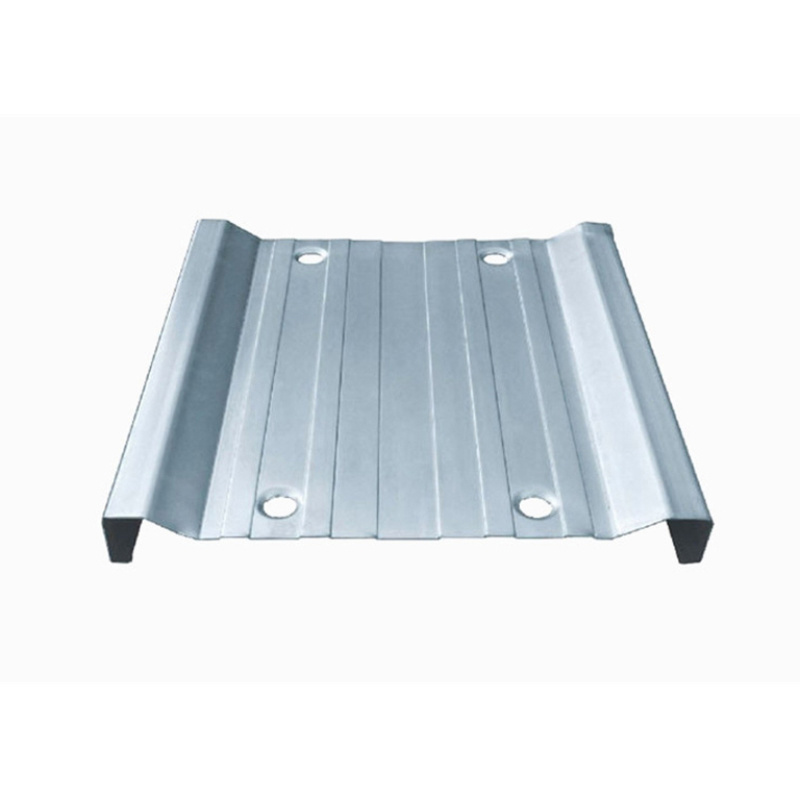
1. Thick accumulation of dust on the polar plates and wires: The vibration cleaning force and cycle are unreasonable, and the dust adhesion weakens the electric field discharge effect
2. Uneven airflow distribution: blockage and damage to the inlet guide plate, short circuit of flue gas bypassing the electric field, insufficient dust removal
3. Severe secondary dust: The ash hopper leaks air, the vibration frequency is too high, and the settled dust is re rolled up by the airflow
4. Inappropriate dust characteristics: Dust specific resistance is too high/too low, resulting in back corona and corona blockage phenomena
solution
1. Optimize vibration parameters: shorten the vibration period for viscous dust, extend the period for loose dust, and avoid dust accumulation or dust
2. Clean the blockage of the guide plate, correct the deformed electrode plate, and ensure that the flue gas passes evenly through the electric field
3. Check the sealing of the ash hopper and the ash discharge valve to prevent air leakage and strictly control the flow rate of flue gas within a reasonable range
4. Adjust the temperature and humidity of the flue gas, improve the specific resistance of dust, and alleviate the problem of back corona
2、 High voltage system malfunction (abnormal voltage and current/tripping)
Fault phenomenon
The secondary voltage is zero, the current is too high, and the equipment trips frequently; Or the voltage is normal, the current is extremely low, and there is no effective discharge of the electric field.
core reason
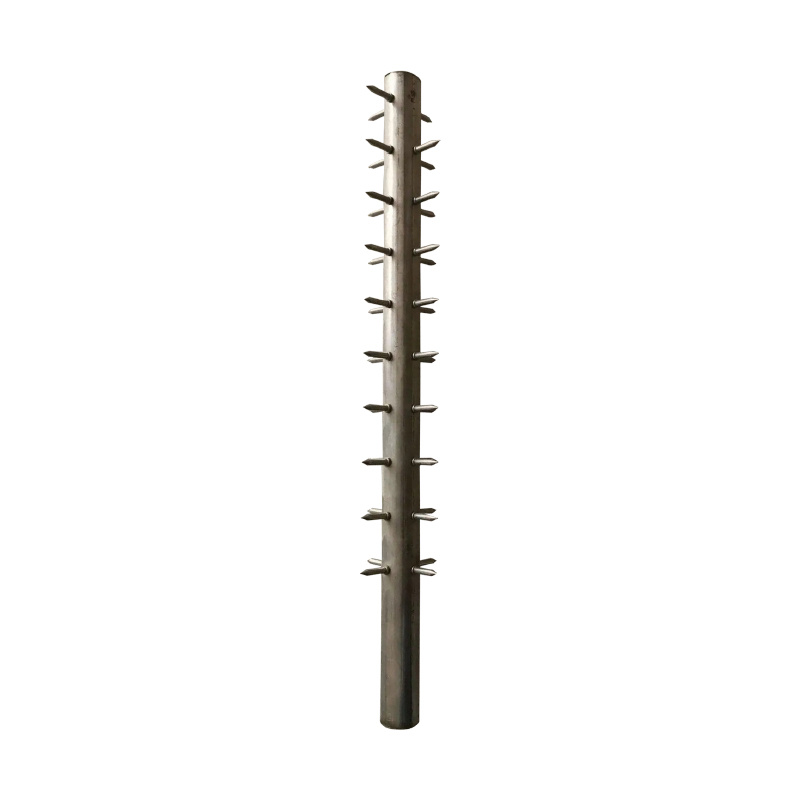
1. Internal short circuit in the electric field: cathode wire breakage, electrode plate deformation and adhesion, dust bridging to form a conductive path
2. High voltage circuit open circuit: damping resistor burned out, insulator broken, cable joint aging
3. Insulator condensation and creepage: insulation failure caused by low temperature and poor sealing, as well as water vapor adhesion
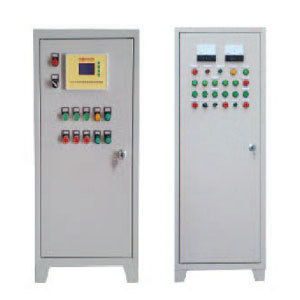
4. Power supply component failure: abnormal rectifier transformer, incorrect control cabinet parameter settings
solution
1. After power failure, check the electric field, replace broken pole wires, correct deformed pole plates, and clean up short-circuit dust
2. Check and replace damaged damping resistors and insulators, and tighten high-voltage cable joints
3. Turn on the insulator heating device, keep the equipment sealed, control the temperature inside the compartment to prevent condensation
4. Reset the control cabinet parameters, detect the working conditions of the rectifier transformer, and eliminate circuit faults
3、 Vibration system failure (unable to clear dust)
Fault phenomenon
The vibration motor has no action, overload alarm, rapid accumulation of dust on the electrode plate, and continuous decline in electric field performance.
core reason
1. The vibration hammer is worn, detached, or misaligned, and the impact force is insufficient
2. Motor burnout, bearing jamming, insufficient lubrication of transmission shaft, or blockage caused by dust agglomeration
3. Control circuit failure, abnormal start stop logic of vibration
solution
1. Replace the worn vibration hammer, correct the position of the hammer head, and ensure that the impact is uniform and strong
2. Check the motor, replace damaged bearings, clean dust clumps, and add high-temperature resistant lubricating grease
3. Check the control circuit, repair the faulty contacts, and restore normal vibration logic
4、 The ash hopper is blocked and the ash unloading is not smooth
Fault phenomenon
Alarm for high ash level, dust accumulation at the bottom of the electric field, exacerbating the risk of short circuit, and no discharge from the ash discharge valve.
core reason
1. Dust becomes damp, clumps, and has excessive viscosity, blocking the ash discharge channel
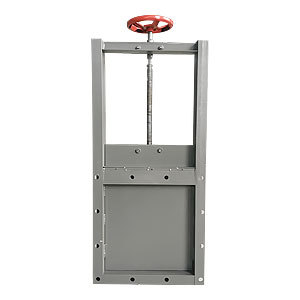
2. Malfunction, jamming, or malfunction of the ash discharge valve, or false alarm of the level gauge
3. Insufficient insulation of the ash hopper, resulting in dust compaction at low temperatures
solution
1. Strengthen the insulation of the ash hopper and install heating devices to prevent dust from getting damp and forming plates
2. Clean up the clogged ash blocks, inspect the ash discharge valve, and replace the malfunctioning level gauge
3. Standardize the frequency of ash unloading to avoid blockage caused by long-term accumulation of ash
5、 Daily operation and maintenance prevention suggestions
1. Regularly inspect the plates, wires, and vibration components, and promptly replace any damaged parts
2. Keep the equipment sealed, strictly control the air leakage rate, and avoid smoke condensation and secondary dust
3. Dynamically adjust the electric field parameters and vibration system according to the characteristics of dust and changes in working conditions
4. Regularly clean insulators and high-voltage components, and carry out insulation protection and grounding testing
Attention should be paid to cross-border operation and maintenance of foreign trade equipment: universal specifications should be prioritized for spare parts stocking, power off operations should be prioritized for troubleshooting, and equipment safety regulations should be strictly followed; If it is an imported ESP, it can be fine tuned according to the original factory parameters to adapt to local working conditions and improve operational stability.
Hot Tags:


Contact Us
Tel:
WeChat:
WhatsApp:
E-mail:
Address:
338 National Road South, Longfengdian Village, Botou City, Hebei Province, China
JiuznTomine is expertly delivering technically complicated projects in markets & provides custom solutions for their customized need.


CONTACT INFO
Tel: +86 18531710311
WeChat: +86-18531710311
338 National Road South, Longfengdian Village, Botou City, Hebei Province, China