












Troubleshooting: Handling of Leakage in Bag Dust Collector
Mar 11,2026

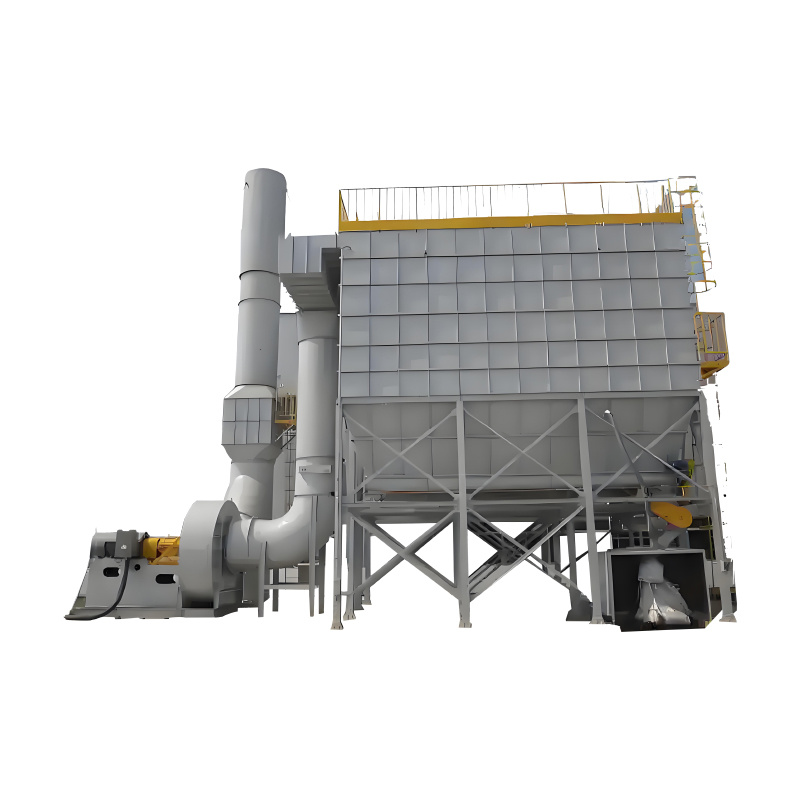
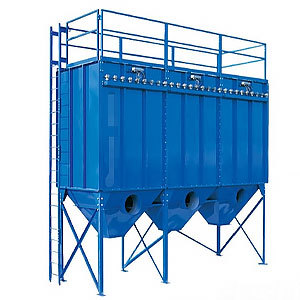
As the core equipment for industrial dust removal and exhaust gas treatment, bag filters suffer from frequent and inefficient air leaks. Leakage not only reduces dust removal efficiency and leads to dust overflow, but also increases fan energy consumption, exacerbates equipment wear, and even affects environmental standards.
1、 Preliminary assessment of air leakage fault: rapid locking of abnormality
Before troubleshooting, it is necessary to predict the location of the gas leak through visual phenomena to reduce blind maintenance time. The core judgment criteria are as follows:
1. Abnormal negative pressure: The sudden drop in pressure difference between the inlet and outlet of the dust collector and the insufficient negative pressure of the fan are typical signals of air leakage in the box or pipeline
2. Dust overflow: If there is dust emission or leakage around the inspection door, flange interface, and bag mouth, it can be directly judged that the corresponding sealing position has failed
3. Abnormal noise: The leakage point is accompanied by a hissing sound of airflow, which can be clearly distinguished near the equipment
4. Increased energy consumption: Under the same processing air volume, the abnormal increase in fan operating current indirectly reflects leakage losses
2、 High frequency leakage point investigation and targeted treatment
The leakage of bag filters is mainly concentrated in three areas: sealing components, shell structure, and filter bag components. They should be investigated and dealt with one by one according to priority:
1. Air leakage in maintenance doors/observation windows (most common)
This type of air leakage is often caused by aging, deformation, or detachment of the sealing strip, as well as loose closure of the door or lock buckle.
-Processing steps: After stopping the machine and releasing pressure, clean the dust and impurities on the contact surface of the door body; Replace the aged and damaged silicone rubber sealing strip, ensuring that the strip fits snugly without wrinkles; Check if the lock buckle and hinge are deformed, tighten the screws and adjust the door closing gap to ensure a tight seal.
2. Leakage at the flange interface
Damaged gaskets, loose bolts, and deformed flange surfaces are the main causes at the joint flanges of pipelines and boxes.
-Processing steps: evenly tighten the diagonal bolts of the flange to avoid uneven force distribution; Replace damaged asbestos and rubber pads, and use high-temperature and corrosion-resistant sealing pads to adapt to the working conditions; If the flange surface is deformed or corroded, it needs to be polished flat or replaced to prevent air leakage from gaps.
3. Leakage of filter bag and bag mouth
Damaged filter bags, loose expansion rings at bag openings, and poorly sealed flower plate holes can lead to short circuits and escape of dusty gases, which are the core reasons for the decline in dust removal efficiency.
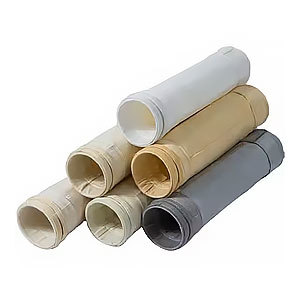
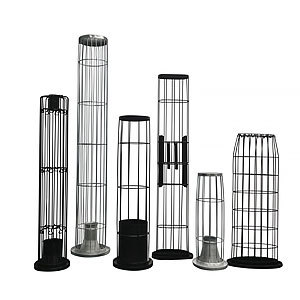
-Processing steps: Check the appearance of each filter bag one by one, and replace any damaged or severely stuck bags directly; Reset the loose bag opening expansion ring to ensure a tight fit between the bag opening and the flower plate hole; Clean up the dust residue in the flower plate holes to avoid impurities sticking and affecting the sealing; Check if the bag cage is deformed to prevent secondary air leakage caused by scratching the filter bag.
4. Leakage of shell welds/ash discharge valve
Long term operation of the equipment is affected by vibration and corrosion, resulting in cracking of the box welds and failure of the ash discharge valve seal, which can cause hidden air leakage.
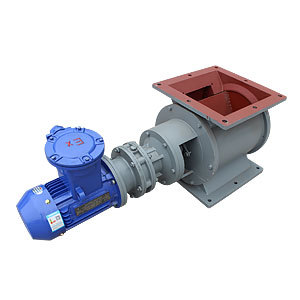
-Processing steps: Conduct airtightness testing on the box body, find cracked welds, polish and clean them, and use full welding repair; The ash discharge valve needs to check the clearance between the impeller and the wear of the sealing components, adjust the clearance or replace the sealing components to ensure reliable sealing during ash discharge.
3、 Airtightness retesting and long-term prevention
1. Re inspection after repair
After the processing is completed, start the equipment to run without load, detect the pressure difference between the inlet and outlet, and observe the situation of dust overflow; When conditions permit, conduct a negative pressure air tightness test to confirm that there are no air leakage points before putting it into load operation.
2. Daily prevention and control
1. Regularly inspect vulnerable components such as sealing strips, filter bags, flanges, and ash discharge valves, and establish maintenance records
2. Control the frequency of equipment start and stop to reduce vibration impact; Avoid excessive operation of high temperature and corrosive gases, and delay component aging
3. Standardize the operation and maintenance of doors, and strictly prohibit illegal operations such as forced closure and bolt leakage
Tip: In the context of foreign trade exports, equipment leakage can also affect the environmental acceptance and compliant operation of overseas customers. It is recommended to conduct regular preventive maintenance to reduce the probability of downtime due to malfunctions.
Hot Tags:
PREVIOUS:


Contact Us
Tel:
WeChat:
WhatsApp:
E-mail:
Address:
338 National Road South, Longfengdian Village, Botou City, Hebei Province, China
JiuznTomine is expertly delivering technically complicated projects in markets & provides custom solutions for their customized need.


CONTACT INFO
Tel: +86 18531710311
WeChat: +86-18531710311
338 National Road South, Longfengdian Village, Botou City, Hebei Province, China