











Electrostatic precipitator (ESP): performance advantages and maintenance points
Mar 10,2026

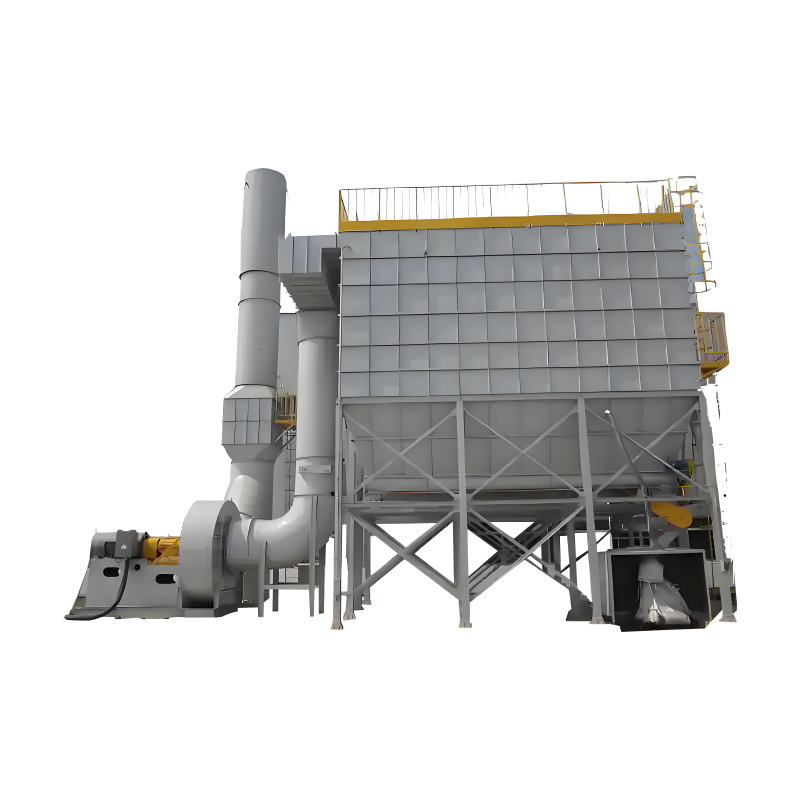
Electrostatic precipitator (ESP) is a classic dry dust removal equipment in the field of industrial dust control. With its unique electric field dust removal principle, it occupies a unique advantage in high air volume and high-temperature flue gas treatment scenarios.
1、 Core working principle of electrostatic precipitator (ESP)
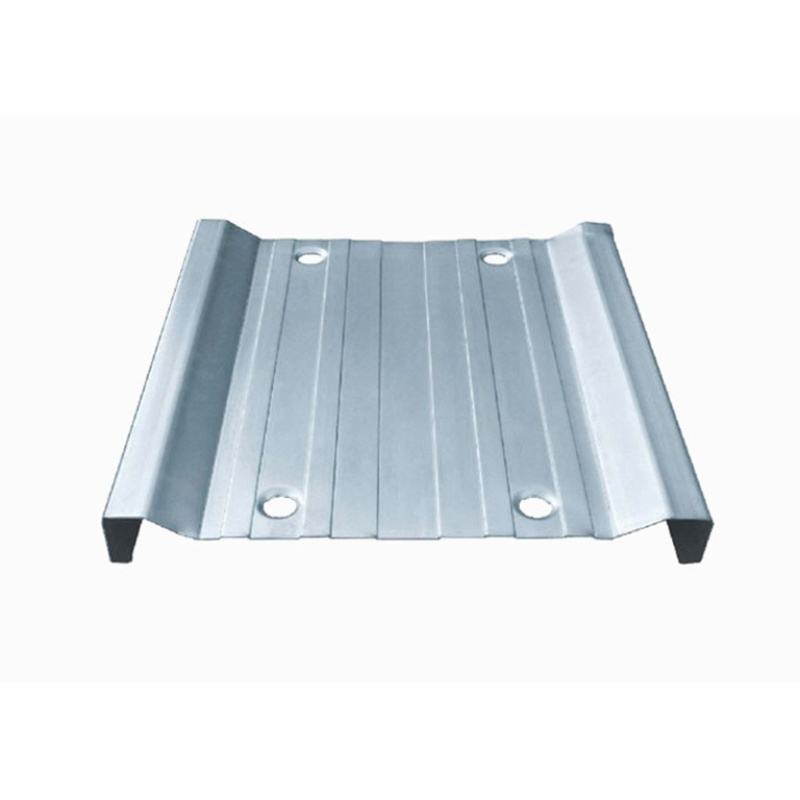
ESP relies on high-voltage electrostatic field to achieve dust separation: after the dusty flue gas enters the equipment, the dust particles are charged through corona discharge, and the charged dust is quickly adsorbed to the dust collection plate under the action of electric field force; Subsequently, the dust accumulated on the electrode plate is collected by shaking it down to the ash hopper through a vibration device. The entire process is not intercepted by any filter material and belongs to physical electrostatic separation dust removal.
2、 ESP core performance advantages
1. Strong adaptability to high wind volume: It can easily cope with the ultra large wind volume flue gas treatment in industries such as metallurgy, power, and building materials. The equipment scale can be flexibly expanded to adapt to continuous production line operations, and the single machine processing capacity is far superior to conventional bag and filter dust removal equipment.
2. Low resistance and low energy consumption: No filter material filtration resistance, minimal wind resistance during equipment operation, lower power consumption of supporting fans, significant energy cost advantages for long-term continuous operation, suitable for 24-hour uninterrupted operation scenarios.
3. Outstanding high temperature resistance: Conventional models can withstand high temperature smoke at around 300 ℃, while special customized models have a higher temperature resistance limit without the need for early cooling treatment. They can be directly connected to high temperature smoke exhaust conditions, reducing the investment in cooling supporting facilities.
4. No consumables loss, controllable operation and maintenance costs: The core components are electrodes and plates, without consumables such as filter bags and filter cartridges, requiring only regular maintenance and repair, without the cost pressure of frequent replacement of consumables, and the equipment has a long service life.
5. Wide adaptability to flue gas: It can handle various dry and non sticky industrial dust, with stable separation efficiency for coarse and medium particle dust, and can withstand certain fluctuations in dust concentration.
3、 The inherent limitations of ESP (objective reference)
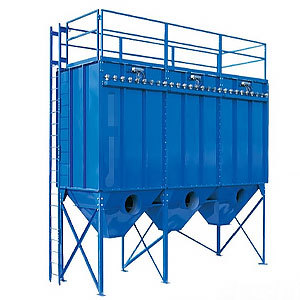
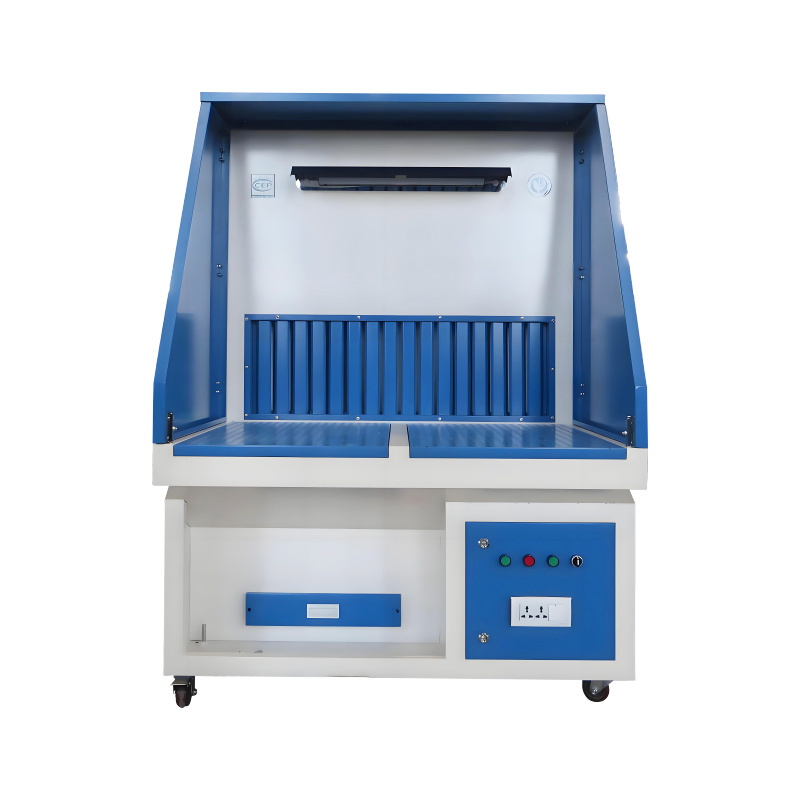
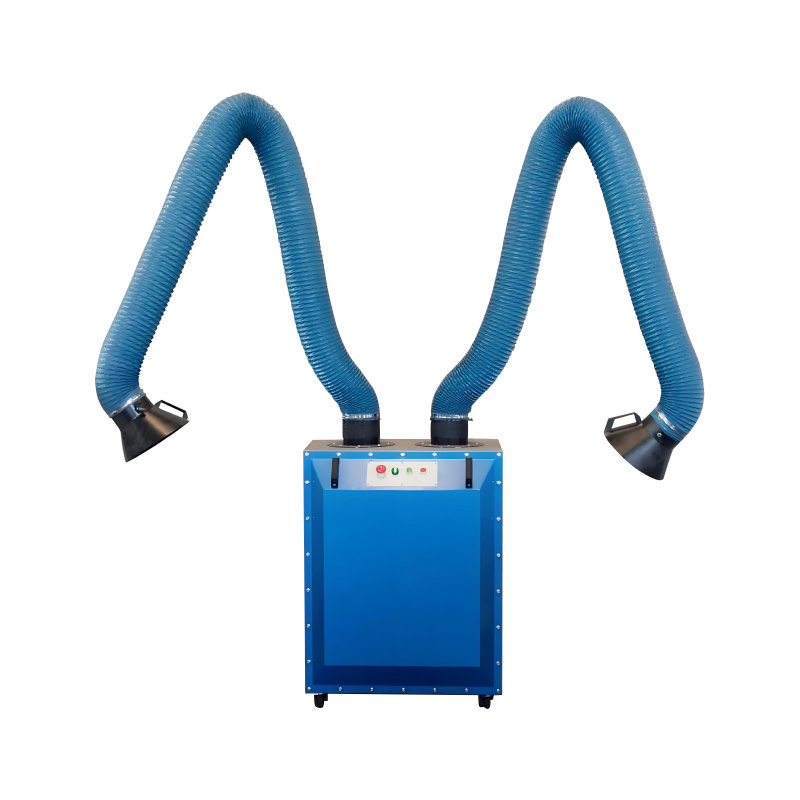
ESP is not a versatile dust removal equipment, and there are obvious shortcomings in operating conditions: the dust removal efficiency of high specific resistance and ultrafine dust (PM2.5) deteriorates significantly; High humidity and sticky dust can easily adhere to the electrode plate, making it difficult to clean the dust; Fluctuations in the composition of flue gas and the presence of oil and impurities can significantly affect the stability of the electric field, and the initial cost of the equipment is relatively high. The maintenance technology threshold is higher than that of conventional filter dust collectors.
4、 Key points of ESP standardization maintenance
Standardized maintenance is the key to ensuring the long-term stable operation of ESP and extending equipment life. The core operations are as follows:
1. Regular cleaning and vibration system maintenance
Excessive dust accumulation on the electrode plates and wires can weaken the electric field strength and reduce dust removal efficiency. It is necessary to regularly check the frequency and strength of the vibration device to ensure proper vibration; Develop a periodic dust cleaning plan based on the speed of dust accumulation to avoid dust agglomeration and adhesion.
2. Maintenance of electrodes and high-voltage systems
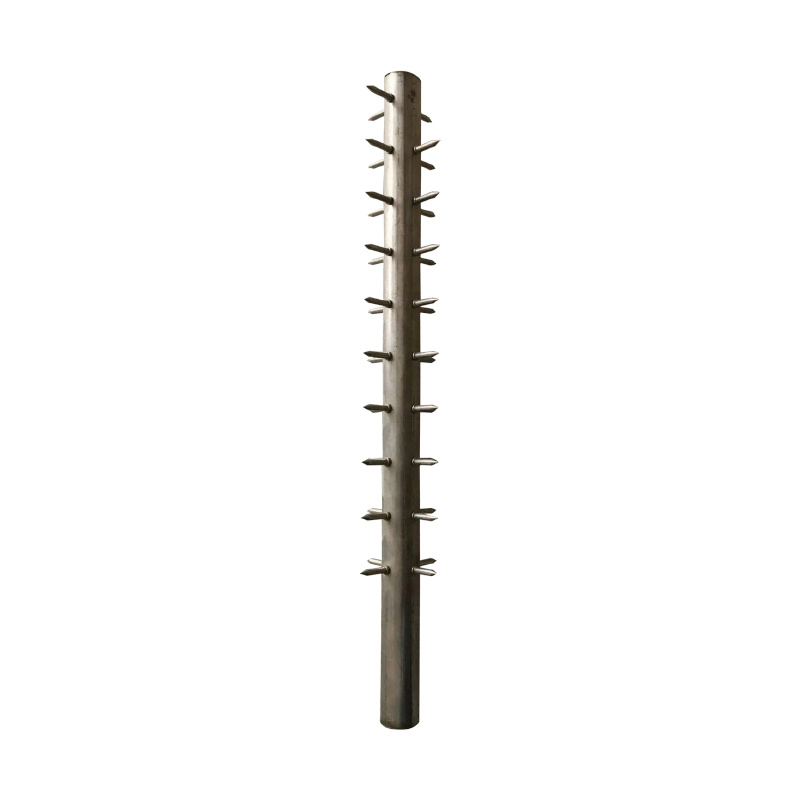
Regularly inspect the deformation and corrosion of cathode wires and anode plates, and promptly correct or replace damaged components; Clean the surface dust and oil stains of high-voltage insulation components to prevent insulation failure, creepage leakage, and eliminate safety hazards; Detect high-voltage power supply parameters to ensure stable voltage and current within the rated range.
3. Maintenance of ash hopper and ash conveying system
Check the sealing of the ash hopper unloading device to prevent air leakage and short circuit of flue gas; Regularly clear the ash hopper to avoid dust bridging and blockage, ensuring smooth ash unloading; In low-temperature scenarios in the north, it is necessary to do a good job of ash hopper heat tracing to prevent dust condensation and agglomeration.
4. Daily inspection and hidden danger investigation
Establish a regular inspection mechanism to monitor equipment operation noise, electric field current, and smoke concentration, and promptly shut down for troubleshooting if any abnormalities are found; Focus on checking the sealing and grounding safety of the shell to prevent smoke leakage and electric shock risks.
5、 Foreign trade selection and operation supplement tips
The selection of overseas working conditions should be based on local dust characteristics, flue gas temperature and humidity, and environmental emission standards: ESP is preferred for dry coarse dust, high air volume and high temperature scenarios; It is not recommended to use ESP alone for working conditions with ultrafine dust and high humidity and viscosity. It can be combined with pre-treatment equipment. At the same time, it is necessary to reserve core vulnerable parts and equip personnel with basic electrical maintenance capabilities to reduce the difficulty of overseas operation and maintenance.
Hot Tags:


Contact Us
Tel:
WeChat:
WhatsApp:
E-mail:
Address:
338 National Road South, Longfengdian Village, Botou City, Hebei Province, China
JiuznTomine is expertly delivering technically complicated projects in markets & provides custom solutions for their customized need.


CONTACT INFO
Tel: +86 18531710311
WeChat: +86-18531710311
338 National Road South, Longfengdian Village, Botou City, Hebei Province, China