











How to improve the dust removal efficiency of electrostatic precipitators?
Mar 02,2026

Electrostatic precipitators, with their advantages of high efficiency and low resistance, are widely used in the treatment of flue gas and dust in industries such as power plants, metallurgy, and chemical engineering. Its dust removal efficiency is directly related to environmental standards and production compliance. Through scientific parameter regulation, daily maintenance, and working condition adaptation, the dust removal performance of the equipment can be effectively improved. The following shares core practical skills, which are concise and closely related to industrial applications.
1、 Optimize equipment operating parameters
Accurate control of operating parameters is the foundation for improving efficiency. Reasonably set the electric field voltage and current to avoid corona blockage caused by high voltage and ineffective ionization of dust caused by low voltage; Dynamically adjust the electrode spacing based on the smoke flow rate and dust concentration to ensure uniform electric field and reduce dust escape. At the same time, it is recommended to control the residence time of the flue gas in the electric field to avoid the dust being discharged without being adsorbed due to too fast a flow rate. Generally, it is recommended that the residence time be no less than 0.8-1.2 seconds.
2、 Strengthen electrode system maintenance
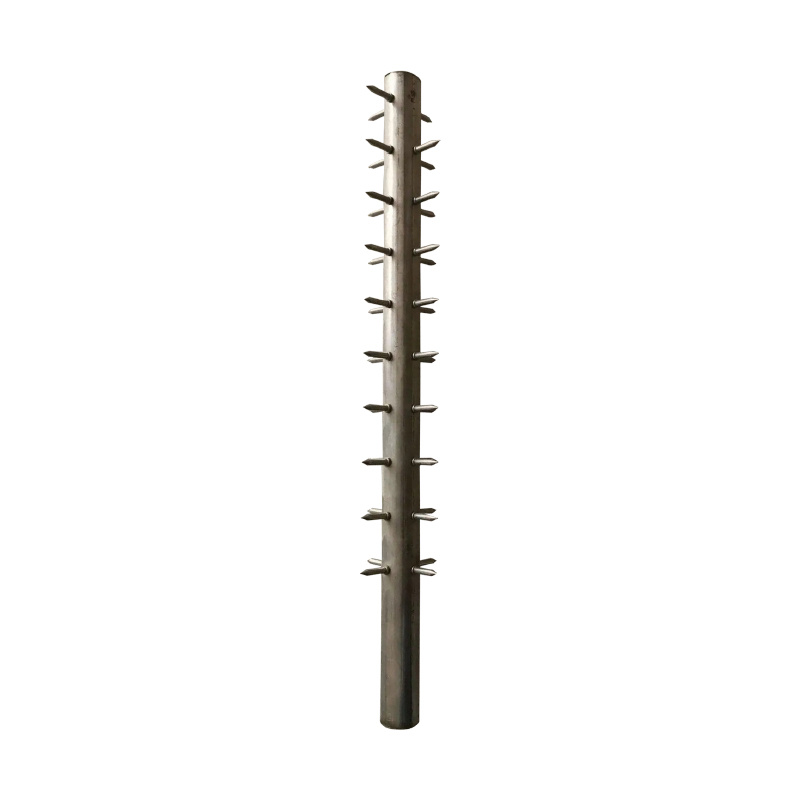
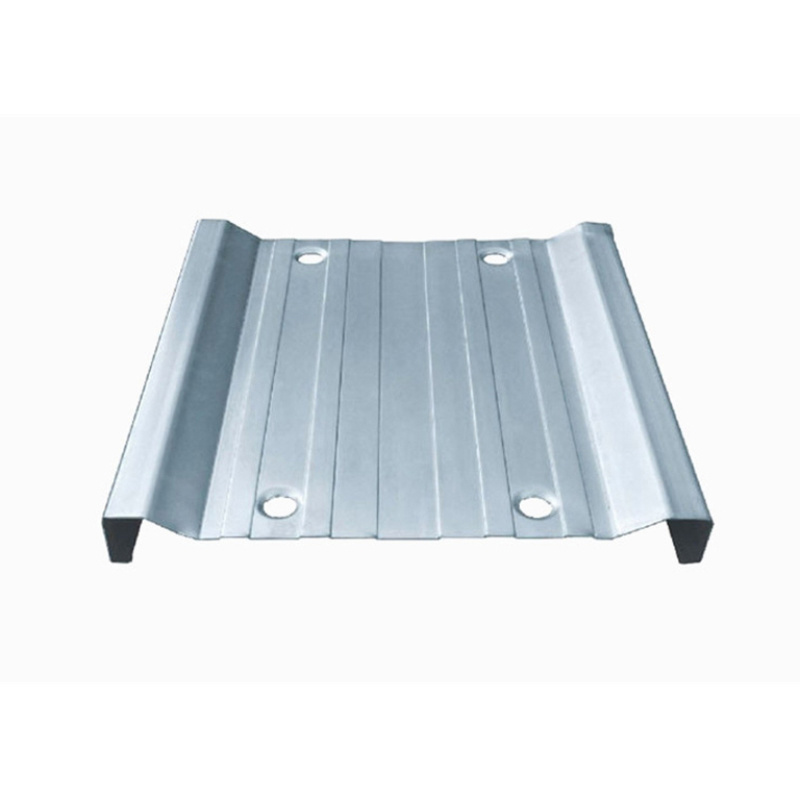
The electrode system is the core of electrostatic precipitator, and its cleanliness and integrity directly affect the dust removal effect. Regularly clean the accumulated dust on the electrode plates and wires (such as barbed wires) to avoid excessive dust accumulation and a decrease in electric field strength. Mechanical vibration or high-pressure water flushing can be used to avoid damaging the electrode material; Check whether the pole wire is loose or broken, replace damaged parts in a timely manner, and prevent the pole wire from falling off and causing a short circuit in the electric field; Regularly calibrate the verticality and spacing of the electrode plates and wires to ensure even distribution of the electric field.
3、 Strictly control the working conditions of flue gas pretreatment
The stability of flue gas conditions is a key prerequisite for improving efficiency. During the pre-treatment stage, it is necessary to control the temperature of the flue gas to avoid excessive or insufficient temperature affecting the corona discharge effect (the suitable temperature is usually 120-180 ℃); Install desulfurization and denitrification devices to reduce the loss of corrosive gases in the flue gas to the electrodes, while reducing the specific resistance of dust and avoiding the phenomenon of back corona caused by high specific resistance dust; Remove oil mist and water vapor from the flue gas, prevent dust agglomeration from adhering to the electrode, and affect adsorption efficiency.
4、 Standardize the operation of the ash cleaning system
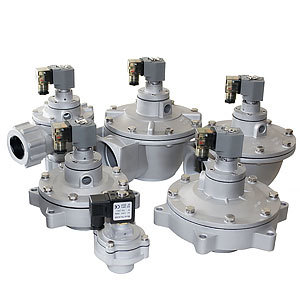
Scientific dust cleaning can avoid dust accumulation and blockage, ensuring the continuous and efficient operation of equipment. Set a reasonable cleaning cycle and intensity based on the characteristics of dust. Excessive cleaning frequency can cause secondary dust on the electrode plate, while delayed cleaning can cause electric field blockage; Optimize the vibration force and frequency, adjust the vibration parameters according to the dust accumulation situation in different areas, and ensure that the dust completely falls off without damaging the electrodes; Regularly check the solenoid valve and spray pipe of the dust cleaning system to avoid incomplete dust cleaning caused by equipment failure.
5、 Avoid common influencing factors
Targeted solutions to various interference factors to reduce efficiency losses. Avoid mixing metal impurities and large debris in the flue gas to prevent electrode short circuits; Control the particle size distribution of dust, and add pre dust removal devices for fine dust to reduce the processing load of electrostatic precipitators; Regularly check the sealing of equipment to prevent air leakage from causing fluctuations in smoke flow and affecting the stability of the electric field; Carry out equipment anti-corrosion treatment to extend the service life of electrodes and avoid efficiency decline caused by corrosion.
In summary, the core of improving the dust removal efficiency of electrostatic precipitators lies in "parameter adaptation, electrode cleaning, stable working conditions, and scientific dust removal". By standardizing operations and regular maintenance, it is possible to ensure that equipment meets emission standards while also extending its service life and adapting to the environmental protection needs of overseas industrial scenarios.
Hot Tags:


Contact Us
Tel:
WeChat:
WhatsApp:
E-mail:
Address:
338 National Road South, Longfengdian Village, Botou City, Hebei Province, China
JiuznTomine is expertly delivering technically complicated projects in markets & provides custom solutions for their customized need.


CONTACT INFO
Tel: +86 18531710311
WeChat: +86-18531710311
338 National Road South, Longfengdian Village, Botou City, Hebei Province, China